World-first AI System to Identify NHS Patient Safety Concerns
A new AI system is being developed to scan NHS data and detect patient safety issues in real time, enabling earlier inspections and interventions. This technology aims to improve patient care by identifying problems more quickly and ensuring higher quality data oversight. The initiative is part of the government's 10 Year Health Plan, which focuses on transitioning NHS services from analogue to digital.
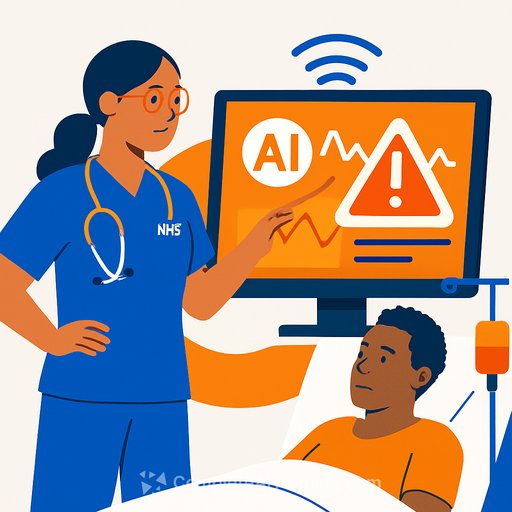
This AI early warning system will automatically flag safety concerns across NHS trusts, helping to prevent failures before they escalate. The move responds to recent concerns about safety in areas such as mental health and maternity services, following a series of high-profile incidents.
How the System Will Work
The AI will analyse healthcare data continuously and alert relevant authorities to emerging safety risks. A new Maternity Outcomes Signal System will be introduced from November, monitoring near real-time data to identify elevated rates of stillbirth, neonatal death, and brain injury across NHS trusts.
Eventually, the system will be capable of examining hospital records to spot patterns of abuse, serious injuries, deaths, or other incidents that may go unnoticed. When issues are detected, the Care Quality Commission (CQC) will deploy specialist inspection teams promptly to investigate and take necessary action.
Benefits for Patients and Staff
- Faster identification of safety issues to prevent harm
- Improved quality assurance through enhanced data analysis
- Reduced paperwork for healthcare staff, allowing more time for patient care
- Greater transparency and accountability in NHS services
This approach aligns with the NHS Federated Data Platform, a secure system that consolidates data access for healthcare workers, streamlining workflows and reducing manual processes.
Government and Expert Perspectives
Health and Social Care Secretary Wes Streeting emphasised that even one lapse in patient safety is unacceptable. He highlighted that the AI system will enable earlier detection of risks and quicker inspections, ultimately saving lives by preventing unsafe care from escalating.
Professor Meghana Pandit, Co-National Medical Director for Secondary Care, noted that England will be the first country to trial this AI-enabled warning system. The technology will speed up identifying safety concerns and support faster responses to improve patient outcomes.
CQC Chief Executive Sir Julian Hartley outlined plans for a clearer, simpler assessment approach using data on inequalities and quality indicators. This will allow inspection teams to conduct more frequent reviews and provide timely feedback to care providers, encouraging faster improvements.
Next Steps
The initial rollout includes the maternity monitoring system launching in November, with broader AI safety detection systems to follow. This initiative forms a key part of the government's Plan for Change, focused on transforming NHS services through digital innovation.
For those interested in the intersection of AI and healthcare regulation, exploring courses on AI applications in government and healthcare might be useful. Resources such as Complete AI Training's latest AI courses offer practical insights into AI technologies shaping public sector work.
Your membership also unlocks: