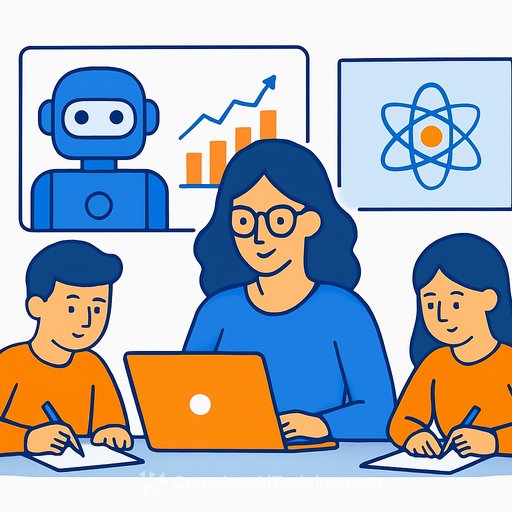
AI in science classrooms: make time for mentorship, keep integrity high
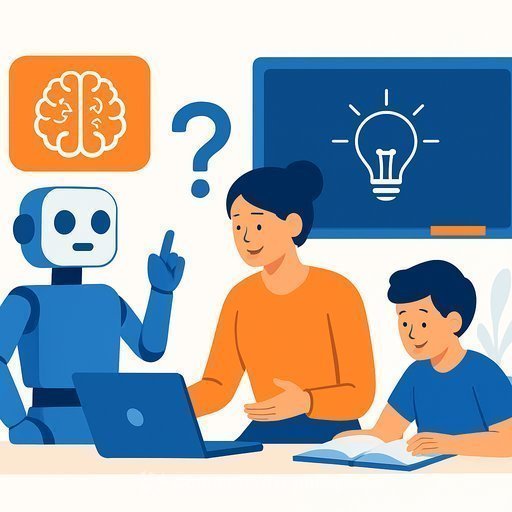
AI can take repetitive tasks off your plate. From automating low-stakes marking to drafting letters to parents, it gives teachers more bandwidth for mentorship, engagement, and practical learning.
It's realistic to see a near future where tools track student engagement in real time, automate assessments, and build bespoke learning paths. That potential is exciting - so long as it's used responsibly and transparently.
The UK government is clear: keep AI for low-stakes marking and be open about its use with students and parents. For high-stakes assessments, human judgement must lead to protect fairness and integrity. You can read the current guidance here: Department for Education: Generative AI in education.
Why human expertise still matters
Science teachers bring deep subject knowledge and the ability to read context that AI can't match. Your judgement catches nuance, probes reasoning, and ensures assessments reflect what students truly know. That's essential where results carry real consequences. For discipline-specific developments and research-led applications, see AI for Science & Research.
Use your expertise beyond the classroom
Pearson, the world's leading learning company, has over 18,000 employees across 70+ countries serving millions of learners and educators. Examiners, moderators, and subject specialists play a key role in making sure students receive the grades they need to progress.
By becoming an examiner, you contribute to a larger mission: helping students move toward the life and career they want through learning. Your experience helps uphold the rigour behind each qualification, turning students' hard work into credible outcomes.
Professional development that gives back
The examiner role can strengthen your teaching and your career.
- Insight: See national performance at scale, spot common errors, and bring proven strategies back to your classroom.
- Additional income: Flexible, home-based work that fits around your timetable.
- Widen your network: Connect with educators from different schools and contexts, share ideas, and build support.
- Professional recognition: Earn recognised CPD and demonstrate trusted subject expertise.
If you support staff development or CPD, consider the AI Learning Path for Training & Development Managers to structure practical, role-focused AI training.
What qualifications do you need?
Most examiner roles require at least one year of teaching experience within the last eight years. You'll also need a degree and a relevant teaching qualification (or equivalent) in your subject, plus a reference from a senior professional at your institution.
For some vocational qualifications, occupational experience can qualify you for the role. In those cases, a degree or teaching qualification may not be required.
Next steps
If this aligns with your strengths, explore examiner and moderator openings and speak with your senior team about a reference. Your expertise can raise standards while giving you fresh insight to support your students.
If you're building your AI skill set to save time and boost classroom impact, explore practical courses curated for educators: AI for Education.
Your membership also unlocks: