The Introduction of AI in Education
Artificial intelligence is becoming a key part of education curriculums, prompting governments and tech companies to invest in initiatives that ensure continuous learning. Integrating AI subjects in schools offers students a solid foundation for their future careers and practical experiences such as internships with real-world AI projects.
Lydia Kostopoulos, a strategist working with academia and governments, highlights the value of early exposure to AI. She suggests that students as young as high school can benefit from internships during summer breaks, gaining hands-on experience with AI applications in various industries.
“The sooner students see real-world AI problems, the better governments can support their learning,” Kostopoulos explains. This approach helps students not only learn technical skills but also understand AI's broader implications.
Balancing Opportunities and Risks
Introducing AI education also means teaching students to recognize both its benefits and potential risks. Oreste Pollicino, a professor specializing in constitutional law and AI regulation, stresses the importance of ethical awareness alongside technical knowledge.
He notes that when students understand AI's ethical challenges and limitations, they are better equipped to make informed decisions rather than passively accepting AI outputs. This proactive mindset prepares them to handle AI thoughtfully in their future professional roles.
UAE’s Commitment to AI Education
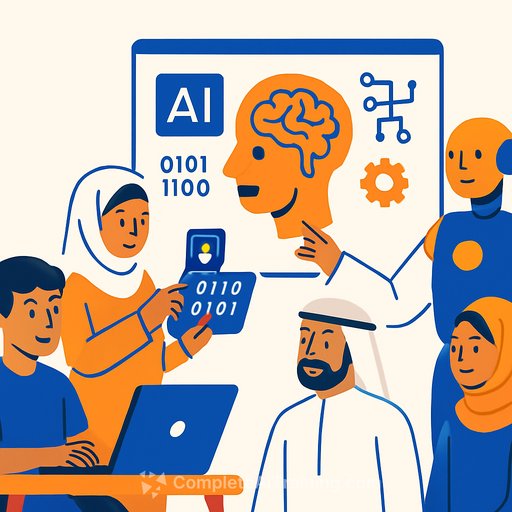
Sheikh Mohammed bin Rashid, Vice President and Ruler of Dubai, recently announced that AI will be introduced as a subject in all government schools across the UAE starting next academic year. Education will span from reception classes for four-year-olds through to grade 12, aiming to build a strong technical foundation in AI.
The curriculum will cover essential topics such as AI ethics, data, algorithms, applications, and risks. Although private schools have not been mandated yet, the focus on ethics and awareness will likely influence broader education policies.
Starting Young with an Age-Appropriate Approach
Both Kostopoulos and Pollicino agree that beginning AI education early is a significant advantage. Early learning helps students grasp how AI works and its limitations, encouraging them to question inaccurate AI outputs. This skill is crucial as AI becomes a routine tool in decision-making and workplace tasks.
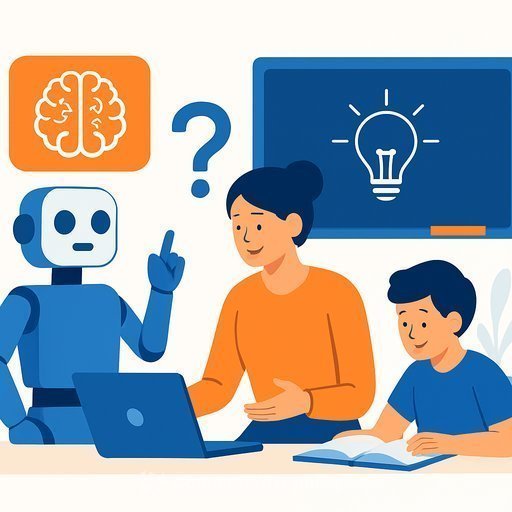
However, they recommend a gradual, age-appropriate approach. Younger children can start with interactive and playful activities to explore AI concepts without pressure. More complex topics like fake information and explicit content should be introduced only when students are mentally ready to understand the risks.
Pollicino emphasizes, “Starting with basic knowledge and slowly increasing complexity helps avoid overwhelming students and achieves better learning outcomes.”
Preparing Educators and Students for the AI Era
For educators, this means adapting teaching methods and materials to suit different age groups. It also calls for collaboration with industry to provide real-world learning opportunities such as internships. Students will benefit from learning how to critically assess AI information, a skill that will become essential in many professions.
For those interested in building AI skills or integrating AI knowledge into education, exploring dedicated courses can be a practical step. Platforms like Complete AI Training offer a variety of programs tailored to different expertise levels and professional needs.
- Understand AI fundamentals through interactive learning.
- Explore ethical considerations and real-world applications.
- Gain practical experience via internships and projects.
- Develop critical thinking to evaluate AI outputs wisely.
Integrating AI education thoughtfully equips students to engage with technology responsibly and confidently, preparing them for both current and future challenges.
Your membership also unlocks: