Universities Face Reckoning as AI Exposes Flaws in How Degrees Are Earned
Generative AI has not created a crisis in higher education. It has exposed one that already existed.
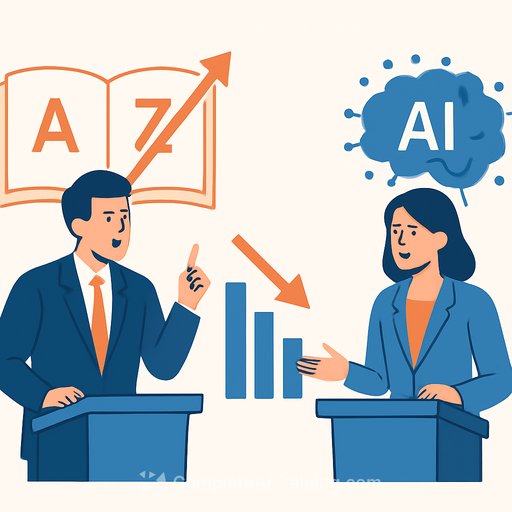
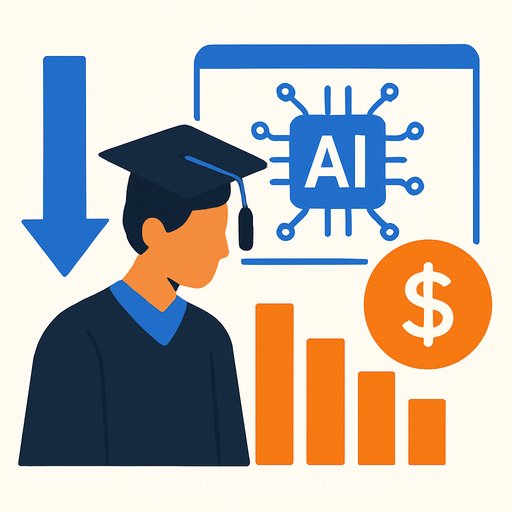
Universities built assessment systems that reward polished output over genuine understanding. Now that AI can produce that output, employers are questioning what a degree actually signals. Early-career workers in AI-exposed fields are already feeling the impact: a 2025 Stanford study found that workers aged 22 to 25 in the most affected occupations experienced a 13% relative decline in employment since widespread AI adoption.
The problem runs deeper than assessment methods. Universities conflated certification with intellectual formation. They optimized for students who could produce credible-sounding work, not students who could think.
What universities are doing about it
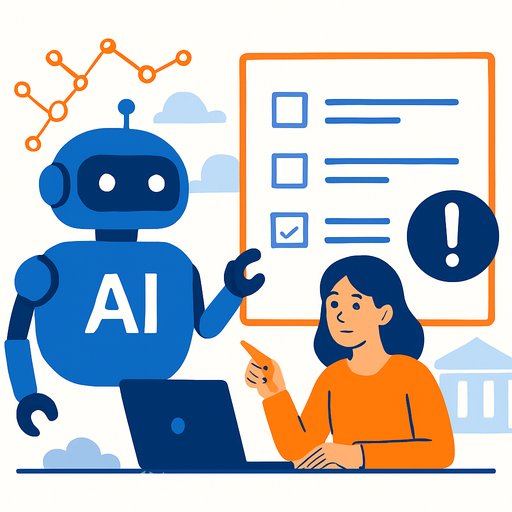
Nearly two-thirds of higher-education institutions surveyed by UNESCO in September 2025 either had guidance on AI use or were developing it. Most responses focus on policy-where and how students can use generative AI tools.
But policy alone won't fix the underlying issue. Universities need to redesign learning around cultivating genuine understanding.
What the research shows
Educational theorists identified this problem long before AI arrived. Alfred North Whitehead warned against "inert ideas"-knowledge that sits passively in the mind without application. Mikhail Bakhtin argued that truth emerges through dialogue between people, not one-way delivery of information.
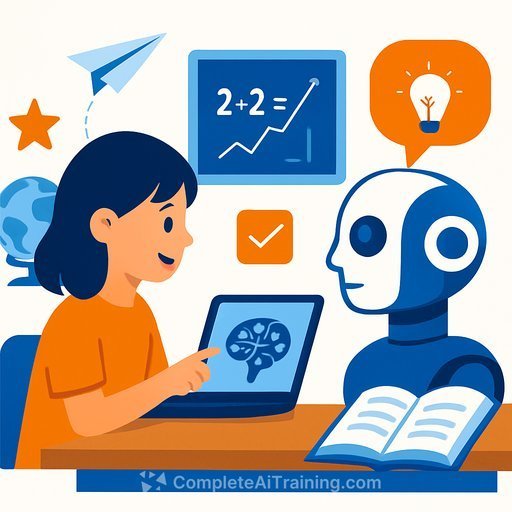
Benjamin Bloom's research demonstrated the effectiveness of one-to-one tutoring compared to conventional classroom instruction. The implication is clear: interaction and feedback matter more than lecture halls and polished assignments.
Confucius captured the balance needed: "Learning without thought is labour lost; thought without learning is perilous."
What comes next
Universities will continue developing formal policies on generative AI. But the real test will come from the labor market. If the Stanford trend continues-if employers see that recent graduates lack the critical thinking skills they need-degrees will lose their value as a hiring signal.
Institutions that move toward assessment methods focused on judgment, discourse, and intellectual engagement will likely emerge stronger. Those that cling to output-based evaluation risk rendering their degrees meaningless.
For educators, this means rethinking what you assess and how. The question isn't whether to allow or ban AI. It's whether your institution teaches students to think or teaches them to produce.
Learn more about AI for Education and how institutions are adapting to these shifts.
Your membership also unlocks: