AI Exposes a Fundamental Problem With How Schools Use Grades
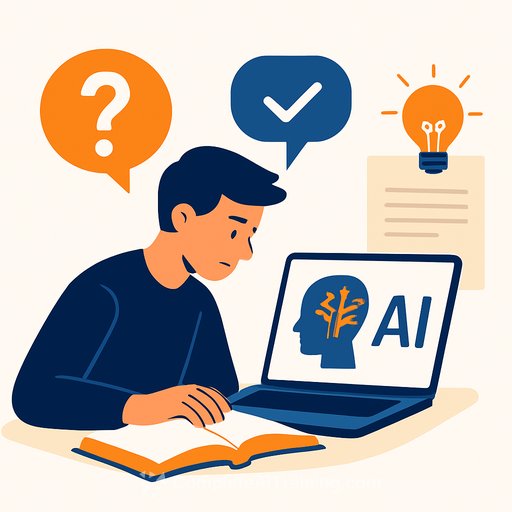
Fifty-four percent of U.S. teens now use AI for homework. The tools work so well at producing good grades that students have little reason to actually learn the material.
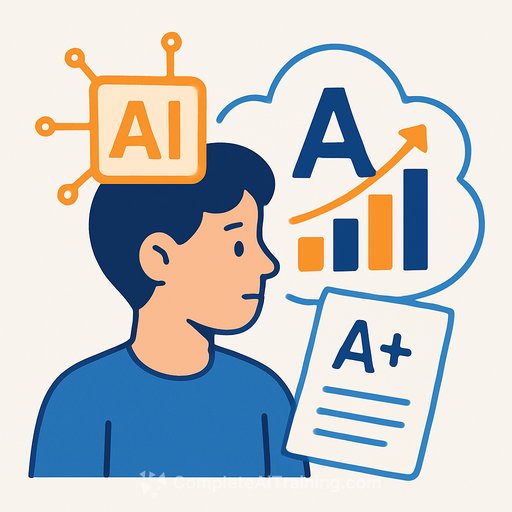
This isn't a new problem created by AI. It's an old problem made obvious by it. American schools have organized themselves around grades for over a century, treating them as the primary measure of success. Students chase credentials. Schools chase test scores. Learning happens when it happens.
AI is simply better at decoupling grades from learning than any previous tool. A student can submit work generated by an AI system and receive a high mark without grappling with difficult concepts, making mistakes, or repairing their understanding-all things psychology research shows are necessary for actual learning.
Why Bans Won't Work
Most schools have responded with detection software, policies, and outright bans. This approach will fail, according to motivation research. Students will find workarounds. School climates will grow more adversarial. Policing doesn't produce genuine learners.
The real problem is the incentive structure itself. In a grade-focused system, using AI to perform well while learning less is entirely rational behavior.
What Research Shows Actually Works
Decades of motivation research points to a different path. Students engage when their core psychological needs are met:
- They feel autonomous-pursuing goals that matter to them, not just completing assignments
- They feel genuinely competent, not just credentialed
- They feel connected to peers and teachers who care about them
Schools that deliver on these needs see students engage authentically. Those that don't see students reach for shortcuts-and AI is an effective one.
Specific instructional practices support these needs: meaningful student choice in assignments, explanations that connect content to students' values, feedback focused on process rather than performance, structures that normalize setbacks, and genuine responsiveness to student interests.
Some schools and districts are already using these approaches. A recent Student Power Summit in Los Angeles brought together educators and students from across the country to discuss need-supportive instruction. Student testimony was among the most persuasive evidence that these methods work.
But these schools remain exceptions. Administrative pressure, rigid curriculum pacing, and focus on state standards make need-supportive approaches uncommon in U.S. schools. Their use drops sharply as students move from elementary to secondary school-precisely when motivation most needs support.
The Larger Question
Grades are efficient shorthand for systems where teachers manage dozens or hundreds of students. But efficiency came at a cost: schools could pretend that chasing grades was the same as chasing learning. AI has destroyed that fiction.
Before redesigning AI policies, schools need to answer a more fundamental question: Are we building credential-holders or thinkers?
That answer requires rethinking what school is for. It requires centering student interests, goals, values, and perspectives in instruction design. It requires treating student motivation as a design problem, not a compliance problem.
This reckoning was overdue before AI arrived. AI has simply made it unavoidable.
For educators navigating this shift, resources on AI for Education and the AI Learning Path for Teachers offer practical frameworks for integrating AI thoughtfully while maintaining focus on genuine learning outcomes.
Your membership also unlocks: