AI in Podcasting: The Opportunity - and the Legal Minefield
AI is now standard in podcast workflows. It drafts show notes, cleans audio, generates artwork, and even clones voices. It saves time. It also opens the door to copyright disputes, privacy complaints, and right-of-publicity claims.
If you advise creators or run legal for a media brand, the risk profile has shifted. Below is a practical briefing to keep your clients and company out of trouble while still getting the benefits of AI.
Copyright and Ownership: Human Authorship or Bust
U.S. law only protects works with meaningful human authorship. A recent decision, Thaler v. Perlmutter, reaffirmed that purely machine-generated content isn't eligible for copyright. If an image, script, music bed, or voice track is created entirely by AI, nobody truly owns it.
That's a problem for logos, cover art, themes, intros, and social copy if they're fully machine-made. Worse, the output could echo someone else's copyrighted work and trigger infringement claims.
- Use AI as a tool, not the author. Add real human creative input: rewrite, re-record, edit, rearrange.
- Document your contribution and direction. Keep drafts and notes that show human creativity.
- When registering copyrights, disclose the AI-generated portions and claim only the human-authored elements.
U.S. Copyright Office guidance on AI is a useful reference for registration strategy.
Infringement Risks Lurking in Training Data
Many popular models are trained on large scraped datasets that include copyrighted works. Pending and recent matters like Getty Images v. Stability AI center on this. In one prominent case, an AI company reportedly settled claims for $1.5bn.
The practical issue: outputs can hew too close to existing works, creating derivative-work exposure for the user who publishes them.
- Pick vendors with clear licensing, output rights, and opt-outs for training on your data.
- Run "smell tests" on outputs. If it looks or sounds familiar, don't ship it.
- Avoid prompts that instruct models to imitate specific living artists, shows, or brands.
Voice Cloning and the Right of Publicity
Voice cloning is fast and convincing. It's also a legal hazard. Using someone's voice, name, or likeness for commercial purposes without consent can violate state right-of-publicity laws. Dozens of states-including California, New York, and Tennessee (ELVIS Act)-treat this seriously.
Even AI "enhancement" of a guest's audio can be risky if the edits alter tone or meaning without consent.
- Get written consent for any real or synthetic use of a person's voice.
- Update guest releases: authorize limited AI editing for clarity only; prohibit changes that misrepresent meaning or intent.
- Disclose AI use to listeners when synthetic or heavily processed voices appear.
Defamation, Disinformation, and Editorial Duty
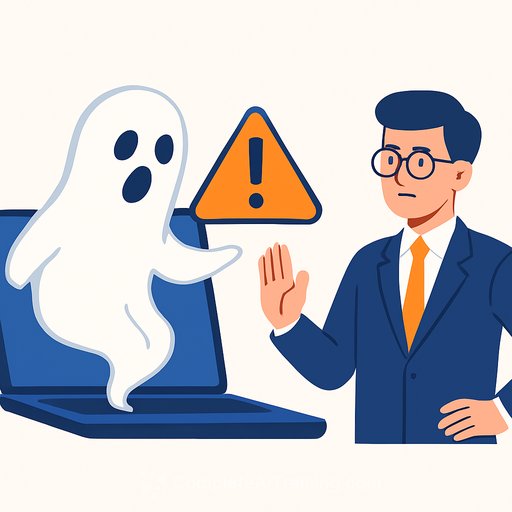
AI can fabricate facts with confidence. If you publish false statements about a person or company, "the model said so" won't help. Treat AI outputs as unverified drafts.
- Fact-check all AI-generated scripts, summaries, and show notes before publication.
- Avoid accusatory or speculative language about real individuals or entities.
- Maintain an editorial chain of custody: sources, prompts, tools used, and who approved the final content.
Privacy and Data Protection
Transcription, editing, and analysis tools process biometric voice data and other personal information. Sending guest audio to third-party systems without permission can trigger laws like the CCPA and GDPR.
- Obtain explicit consent in guest releases for AI-based transcription, editing, and analysis.
- Prefer vendors with clear data processing agreements, retention limits, and regional hosting options.
- Minimize data: avoid uploading sensitive content or materials with third-party rights.
Transparency and Disclosure
Audiences care about authenticity. Quietly publishing AI-written or AI-voiced content can erode trust. The FTC has warned that undisclosed AI use in ads or endorsements may be deceptive.
- Disclose meaningful AI involvement, especially in sponsored segments or testimonials.
- Label synthetic voices (e.g., "celebrity voice impersonated").
- Retain human editorial oversight and responsibility for all published material.
Contracts and Terms of Service: Read the Fine Print
Uploading content to AI tools can grant the vendor broad rights, including use for model training. That can expose unreleased interviews or confidential material.
- Review data-use, retention, and training clauses. Seek "no-train" or enterprise options.
- Prohibit vendors from reusing or redisclosing your uploads and outputs.
- Avoid sending materials subject to third-party rights, NDAs, or licenses.
Practical Legal Playbook for Podcast Teams
- Document human authorship: track creative decisions, edits, rewrites, and session notes.
- Register copyrights for human-authored portions; disclaim AI-generated components.
- Update contracts: production, editing, and guest releases should address AI usage, consent, attribution, and ownership.
- Maintain a vetted tool list with rights, data policies, and training opt-outs noted.
- Institute pre-publication checks: defamation review, IP clearance, and privacy/consent verification.
- Train your team and refresh policies as case law and regulations shift.
The Path Forward
AI can help smaller teams ship on a tighter schedule with solid quality. It also magnifies mistakes. Legal teams that set clear guardrails-consent, authorship, disclosure, and vendor controls-will keep creators productive without inviting litigation.
Treat AI like any other production partner: helpful, fast, and capable of causing real damage if you stop paying attention.
For ongoing team upskilling on AI tools and governance, see these AI courses by job.
This information is for general education, not legal advice. Thanks to the Podcast Professionals Association for supporting professional standards in audio production.
Your membership also unlocks: