AI Is Becoming Cover for Layoffs Companies Already Wanted to Make
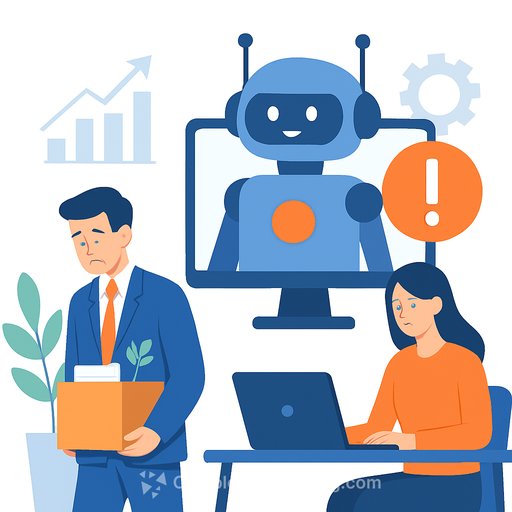
Companies are using artificial intelligence as justification for workforce cuts that have little to do with the technology's actual capabilities, according to business analysts tracking recent layoff announcements across industries.
Most layoffs attributed to AI adoption don't reflect genuine operational changes driven by the technology. Instead, they address structural problems created during the pandemic hiring surge, when companies expanded headcount aggressively and then proved reluctant to cut staff quickly afterward.
The technology itself remains too immature and poorly integrated into most business workflows to justify eliminating jobs at the scale companies claim. Outside a handful of tech firms with deep expertise, AI tools haven't been woven into daily operations in ways that would eliminate entire roles.
Where AI Actually Matters
Meta stands out as a genuine exception. The company has discussed how AI is already changing its code development and shipping processes in measurable ways. Most other organizations lack that level of integration.
The gap between corporate mandates and actual workplace adoption remains substantial. Employees face both practical and emotional barriers to AI adoption. Many question whether the tools solve real problems in their current workflows, and others worry about job security.
Executives may push AI adoption, but adoption rates depend on workers finding genuine value. That process typically takes longer than companies anticipate or prefer.
The Real Driver: Structural Bloat
Companies overstaffed during pandemic growth, then avoided aggressive layoffs to avoid appearing callous. Now they face bloated cost structures that need correction regardless of AI's maturity.
Other factors compound the pressure. Crypto.com's recent cuts likely reflect declining advertising revenue from struggling crypto companies rather than AI-driven efficiency gains, for example.
The technology serves as convenient cover for decisions companies would make anyway. It allows executives to cite external forces rather than acknowledge hiring mistakes or acknowledge market conditions that demand leaner operations.
Integration Takes Time
Closing the gap between AI's potential and actual workplace use will require years, not months. Emotional resistance from employees, practical questions about utility, and the simple reality that many jobs function well currently all slow adoption.
Companies can mandate AI use. They cannot force genuine integration into workflows at the speed they want. That mismatch explains why AI has become such useful cover for decisions driven by older, more fundamental business problems.
For finance professionals evaluating AI's actual impact on staffing and operations, the distinction matters. Understanding whether AI is truly driving change or simply providing justification for it affects how you assess organizational decisions and plan for your own role.
Learn more about AI for Finance and how the technology actually integrates into financial operations.
Your membership also unlocks: