
AI news ·
AI in Category Management: Hype or Retail’s Next Big Fix?
AI can optimize category management by improving assortment, forecasting, and personalization, but success hinges on clean data and skilled teams. Challenges remain in adoption due to legacy systems and training gaps.
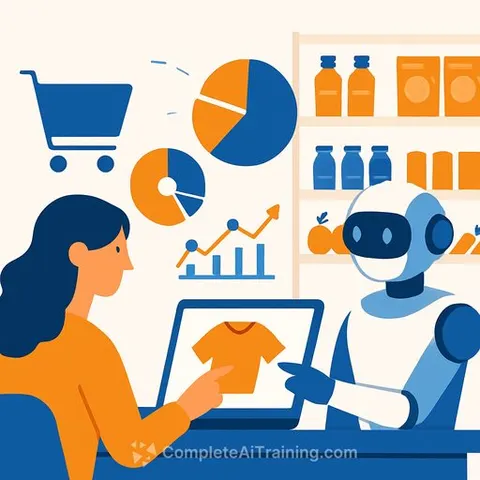
Category Management x AI: Real Fix or Just Another Buzzword?
July 22, 2025
Category management has long been the backbone of retail decisions—what products make it to shelves, at what price, and in what quantities. Yet, it’s been stuck in slow mode for years. Outdated planning cycles, fragmented data, manual processes, and sluggish decision-making have left retailers struggling to keep pace with shopper demands.
These challenges sound straightforward to solve, but the reality is different. Long sales cycles, clunky technology integrations, and the challenge of training already stretched teams have delayed meaningful progress. But now, with AI becoming more capable and accessible, the question is whether this time things will change.
The short answer: possibly—but success depends on pairing the right AI applications with the people and processes that actually drive value. According to a BCG survey, 70% of AI’s impact comes from human factors. AI performs best when rules are clear, data is clean, and goals are well-defined. Given category management’s reliance on spreadsheets, planograms, and pattern-heavy logic, certain tasks are ready for AI to take the wheel.
The Shelf: Assortment, Merchandising, and Execution
AI is helping retailers optimize localized assortments by analyzing demand signals, margin data, and shopper preferences. For example, Impact Analytics, which raised $40 million in 2024, supports CPG brands in fine-tuning product mixes and pricing for specific retail accounts rather than broad regions.
In Brazil, Aravita uses AI to help supermarkets manage perishables by factoring in weather, demand, inventory, and shelf life data to optimize order quantities.
When it comes to merchandising and store execution, Flagship leverages computer vision to create digital twins of stores. This lets teams experiment with layouts and product placements virtually, measuring potential sales impact before making physical changes. Retailers like Lowe’s use these tools to adjust to seasonal trends, weather changes, and viral demand spikes more quickly.
The Signal: Forecasting, Trends, and Pricing
Forecasting is becoming more proactive with AI analyzing real-time data to prevent stockouts and catch demand shifts earlier than traditional methods like Nielsen.
Black Swan Data, recently acquired by Mintel, uses AI to scan social chatter and consumer behavior to identify emerging food trends before they become mainstream.
Pricing and promotion planning also benefit from AI. By learning from past sales and price elasticity, AI can suggest optimal timing for discounts or promotions, nudging shoppers toward products they’ve been eyeing.
The Shopper: Personalization and Relevance
Understanding shoppers on an individual level is another area where AI adds value. Constructor, which expanded its Series B funding by $25 million in 2023, uses AI based on clickstream data to personalize search and discovery in real time. Partnering with Target Australia, Constructor helped increase search-driven revenue by 9% and reduce bounce rates by 93%.
Why Isn’t AI Fully Adopted Yet?
Technology alone isn’t the barrier. According to BCG, data quality, people, and process issues are just as critical—and where many get stuck.
- One in three data points used by merchants was inaccurate
- About 40% of available tech remains unused
- Half of merchants reported no training on analytics tools
The main blockers include organizational resistance, legacy systems, and lack of time. AI models, clean data, and intuitive interfaces don’t move the needle unless they address the habits, skills, and workflows that make decisions stick.
Continuing the Conversation
On July 30, industry leaders from BCG, Deloitte, Daisy Intelligence, and Lumi AI will join AgFunder’s head of news and research Louisa Burwood Taylor for a live discussion. They’ll explore how AI is being used in category management and merchandising, and what it takes to move from pilot projects to daily practice.
Webinar: AI Data-Driven Category Management
July 30 | 12pm ET | Online
Find out more and register here