AI in schools: Minister addresses cognitive decline concerns and sets 2025/26 guidance timeline
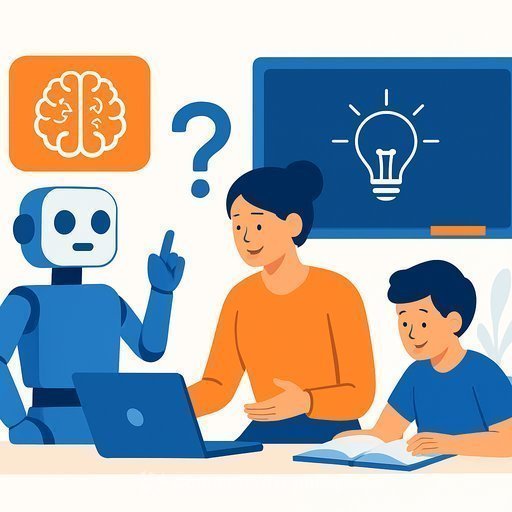
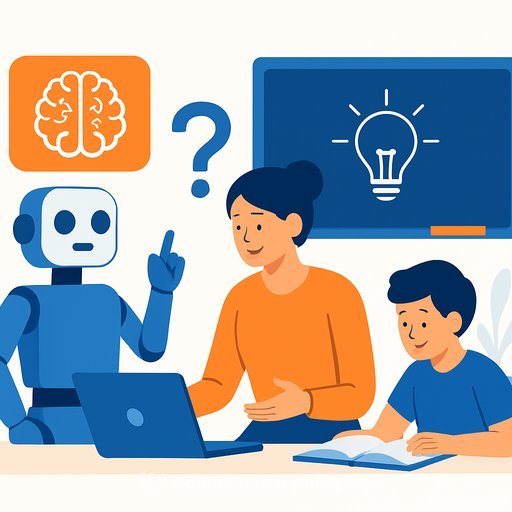
Education Minister Paul Givan has responded to concerns about the impact of Artificial Intelligence on students' thinking and learning, acknowledging both the benefits and the risks tied to classroom use and the wider debate around AI for Education.
"The use of Artificial Intelligence in education provides both opportunities and challenges for pupils' development," he said, noting gains such as personalised learning and improved engagement. He also warned that "an over-reliance on AI may impact on the critical thinking skills of young people" and stressed the need for a "balanced approach."
Officials are working with education partners to produce guidance for schools, which he expects to be available in the 2025/26 academic year.
Why this matters for schools
AI tools can speed up research, draft text, and support learners with diverse needs. But they can also shortcut thinking, reduce persistence, and create habits of cognitive passivity if used without guardrails.
The Minister's position is clear: use AI where it helps, but protect authentic thinking, reflection, and student voice.
Practical steps you can take this term
- Set a simple AI use policy: define what's allowed for homework, coursework, and exams. Make it visible to staff, students, and parents.
- Design for thinking: require planning notes, drafts, and oral explanations. Ask students to show how they got there, not just the final answer.
- Target the task, not the tool: create prompts that demand local data, class-specific sources, or personal reflection AI can't easily fake.
- Build metacognition: short reflections on "what I tried, what I changed, what I learned" keep the cognitive load with the learner.
- Be careful with detection: AI checkers can be unreliable. Focus on process evidence and assessment design over policing.
- Teach AI literacy: accuracy limits, bias, citations, and ethical use. Students should verify, not copy.
- Protect data: avoid putting personal or sensitive information into tools. Check age limits and vendor policies before classroom use.
- Upskill staff: short, focused sessions on effective prompting, verification, and assignment redesign produce the fastest wins.
Balancing benefits and risks
The Minister highlighted the upside-personalised support, improved outcomes, and engagement-alongside concerns about accuracy, ethical use, and "cognitive disengagement." Both are true in practice. The difference comes from how schools structure use.
Think of AI as a draft partner or practice coach, not a substitute for thought. If the tool outputs text, the student should still analyse, annotate, and revise.
Assessment and academic integrity
- Use viva-style checkpoints and in-class performance to authenticate understanding.
- Rotate question banks and include recent class events, local contexts, or student-chosen sources.
- Reward reasoning and process, not just polished prose.
Policy signals and timeline
Guidance from the Department is expected in 2025/26. Until then, many schools are aligning with existing national and international advice and iterating policies each term. For teachers and leaders wanting to explore evidence and policy implications, consider relevant AI Research Courses.
Where to get staff-ready training
If you're setting up CPD on AI use in teaching, start with short modules teachers can apply the same week: effective prompting, verification, redesigning tasks, and safeguarding.
The bottom line mirrors the Minister's message: use AI, but don't outsource thinking. Build structures that keep the cognitive work where it belongs-with students-and you'll get the benefits without sacrificing depth.
Your membership also unlocks: