AI Support in Ear and Hearing Health: What Clinicians Can Use Today
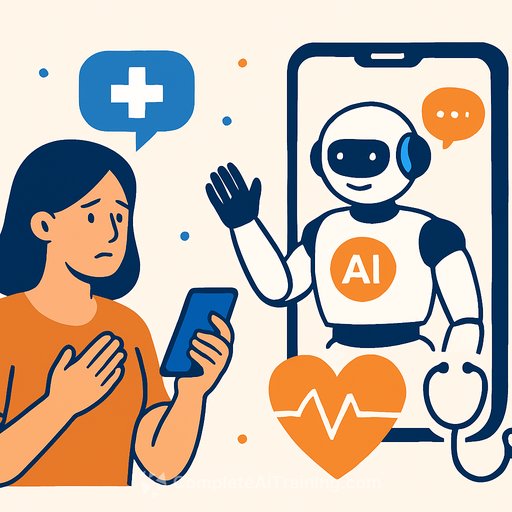
A new study from TympaHealth signals strong public openness to AI in ear and hearing care. Two-thirds of adults would welcome AI if it reduced waiting times (67%) or sped up assessment and referral (66%). That is a clear mandate for faster access and more consistent decisions at the point of care.
Delayed help remains a problem. Two in five adults who experienced hearing loss regret not acting sooner (40%), and many wrote off early symptoms as ageing (28%). The most common trigger for action was when hearing issues started to interfere with daily life (39%). Price and convenience also matter: 37% said low-cost checks would prompt action, and 28% said easier access would do the same.
Where AI Fits Right Now
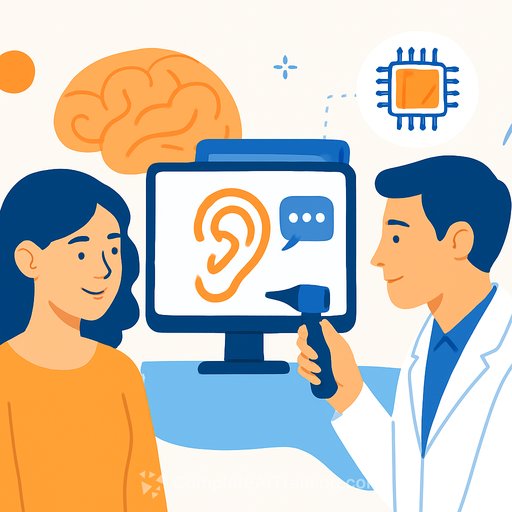
AI and machine learning are already useful for wax detection. Trained on labelled images and videos, these models recognise patterns that help practitioners identify cerumen more consistently during ear examinations. The payoff: fewer inconclusive assessments, cleaner triage, and quicker next steps.
As ENT surgeon Dr Krishan Ramdoo notes, public confidence is rising because people want faster access, clearer answers, and fewer barriers. AI can give providers greater confidence in assessments and help determine next steps, while clinical judgment stays firmly in charge. Services using these tools report higher throughput at a time of sustained cost pressure.
How to Implement in Clinic
- Define the use case: Start with cerumen detection and triage prompts, not full diagnostic replacement.
- Standardise image capture: Train staff on otoscopy techniques, lighting, and focus. Poor inputs limit value.
- Validate locally: Compare AI outputs against clinician findings on a sample of cases. Track sensitivity, specificity, and discordant cases.
- Keep a clinician in the loop: Set clear thresholds for escalation and red flags that bypass automation.
- Integrate with workflow: Log results in the EHR, attach images, and trigger templated notes or referrals.
- Measure operations: Monitor waiting times, time-to-assessment, throughput per session, and rebooking rates.
- Expand access points: Offer low-cost checks in primary care, community settings, or pharmacy clinics.
- Be transparent with patients: Explain that AI assists clinicians, obtain consent for imaging, and share clear next steps.
Design for Earlier Action
The regret and "it's just ageing" data show why routine, low-friction checks matter. Build screening into touchpoints patients already use-annual reviews, occupational health, community pharmacy, and post-URI follow-ups. Keep pricing simple, use online booking, and provide same-day wax management where appropriate.
What to Measure
- Waiting time to appointment and to definitive management
- Assessment duration and completion rate
- Appropriate referral rate and positive predictive value
- Reattendance and avoidable follow-up
- Patient-reported outcomes and satisfaction
- Safety events and missed pathology on audit
Guardrails and Clinical Judgment
AI should assist, not replace, clinical judgment. Maintain clear pathways for suspected infection, perforation, sudden sensorineural hearing loss, or red-flag symptoms. Align workflows with recognised guidance and keep documentation tight to support audit and learning. For broader context, see NICE guidance on hearing loss in adults here and WHO resources on hearing health here.
Next Step
If you are planning a service upgrade, start with one clinic, one use case, and a short audit cycle. Build evidence, train the team, then scale. For practical frameworks on clinical AI adoption, explore AI for Healthcare.
Tags: digital, AI, hearing
Your membership also unlocks: