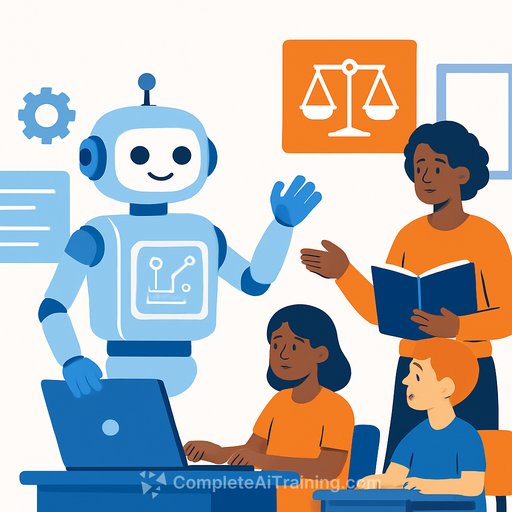
Education in the age of artificial intelligence: the need for deliberate design
Schools are under pressure: teacher shortages, mixed-ability classrooms, and slipping outcomes. AI offers real options for relief and improvement-but treating it as either a cure-all or a threat misses the point.
A more useful stance is possibilistic: recognize both promise and risk, and judge AI by how it serves meaningful learning. Technology is not the strategy. Design is.
Personalization with guardrails
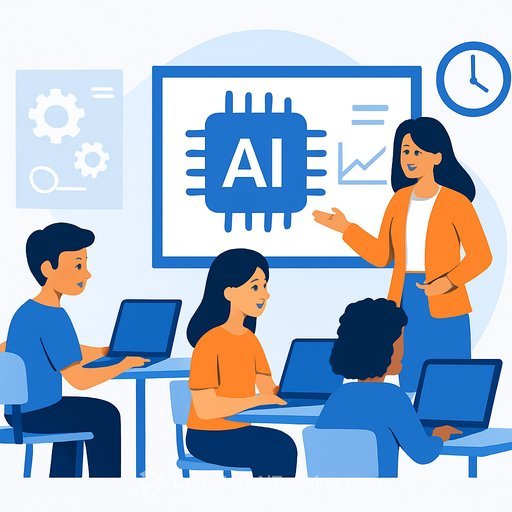
Classroom heterogeneity is here to stay. AI can help differentiate practice, surface misconceptions, and deliver targeted feedback at scale-if the conditions are right.
- Shared learning objectives that are explicit and measurable
- Secure, compliant platforms and clear data practices
- Algorithms grounded in learning science, not just what is technically feasible
- Teachers who use AI data as input, not instruction
- Students with self-regulation skills and clear norms for responsible use
Quality means more than scores
High-quality education builds knowledge, skill, and the judgment to apply both responsibly. In a context where AI is part of daily life, students need strong domain knowledge, critical thinking, and the ability to plan, monitor, and evaluate their own learning.
If AI enters the classroom, it should strengthen these abilities, not weaken them. That requires clear intent, transparent design, and ongoing review.
For broader guidance, see UNESCO's recommendations on AI in education here and the OECD's work on AI and learning here.
Three conditions for meaningful AI use
1) Supportive educational policy
Systems need a clear stance on where AI adds value, where it doesn't, and how it will be governed. Policy should remove friction and set boundaries.
- Legal clarity on acceptable use in classrooms and assessment
- Secure, reliable infrastructure and access for all schools
- Professional learning for leaders, ICT coordinators, teachers, and students
- Flexible timetables and staffing models to trial and scale what works
2) Professional teachers in the driver's seat
AI can act like an exoskeleton-amplifying teacher expertise before, during, and after instruction. It should support judgment, not replace it.
- Before class: draft examples, build practice sets, stress-test lesson plans
- During class: suggest groups, flag at-risk students, give instant feedback on common errors
- After class: analyze progress dashboards, plan targeted follow-ups, assist with grading criteria and comments
Keep control with healthy skepticism: question outputs, trace sources, and compare AI suggestions with evidence and context.
3) Educationally grounded AI systems
Tools must reflect what we know about how people learn. Start with the learning goal, then choose or build the tool-never the other way around.
- Co-design with educators, researchers, and developers
- Transparent models and data practices, with clear explanations for decisions
- Evidence of impact on learning, not just engagement metrics
- Accessibility features that support diverse learners
Practical next steps for schools
- Define your AI use cases: where it will help (feedback, practice, planning) and where it won't (final judgments on student ability)
- Write a plain-language AI policy: academic integrity, acceptable tools, assessment rules, and data use
- Run small pilots with clear success criteria, then review with staff and students
- Invest in professional learning: prompt quality, bias checks, data interpretation, and classroom routines for AI use
- Standardize on secure platforms; disable features you won't use; document settings
- Teach students how to ask better questions, verify outputs, and cite sources
If you need structured upskilling for staff, explore role-based options here: AI courses by job.
Equity and inclusion aren't optional
AI that widens gaps is a failure of design. Prioritize accessibility, language support, offline options where needed, and explicit monitoring for bias in content and recommendations.
Measure equity outcomes as carefully as test scores. If a tool boosts averages but leaves certain groups behind, fix the implementation or change the tool.
Bottom line
Keeping AI out of schools won't prepare students for life with it. Let's be clear about what we want learners to become, how we'll assess that, and how AI can help without taking the wheel.
With supportive policy, professional teachers, and educationally sound tools, AI can contribute to better learning-by design.
Your membership also unlocks: