AI in Higher Education: A Mixed Blessing for Students and Institutions
Artificial Intelligence (AI) is becoming a common feature in higher education, bringing a set of benefits and challenges for both students and institutions. This article looks at what AI means for academics, focusing on the practical advantages and potential pitfalls.
Opportunities Presented by AI
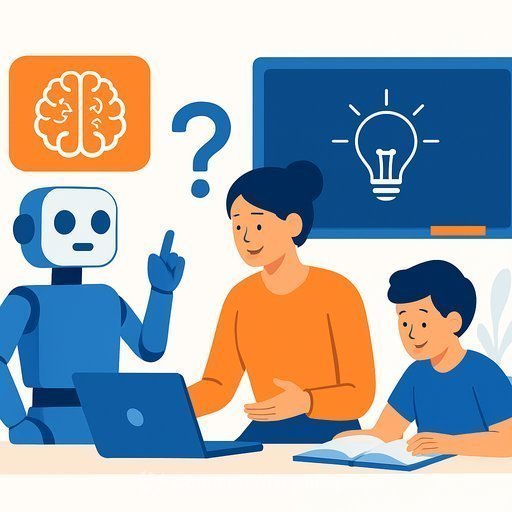
AI can improve learning by offering personalized education. Adaptive learning platforms analyze student progress and adjust content to fit individual needs, making education more relevant and effective. On the administrative side, AI helps automate tasks like enrollment, grading, and student support, which boosts efficiency and frees staff to focus on more complex duties.
Challenges and Concerns
Despite these gains, AI's role in higher education raises important concerns. AI algorithms can contain biases that affect fairness in decision-making, potentially reinforcing existing inequalities. There are also serious questions about data privacy and the ethics of monitoring student behavior through AI tools.
The Role of Educators
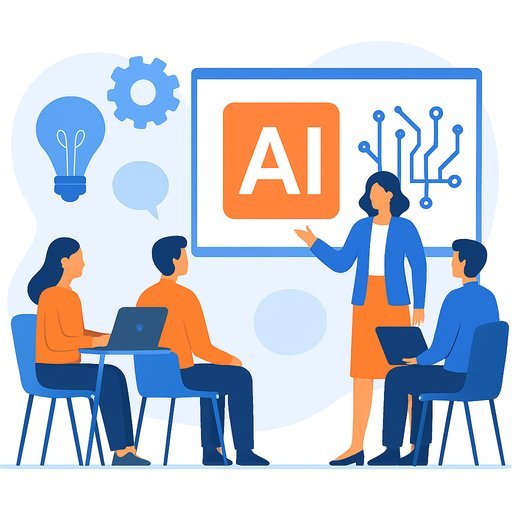
Educators must be prepared to use AI tools wisely. This means gaining skills to integrate AI into teaching while keeping ethical considerations front and center. Ongoing training is critical to help teachers improve learning outcomes without compromising student trust or welfare.
Conclusion
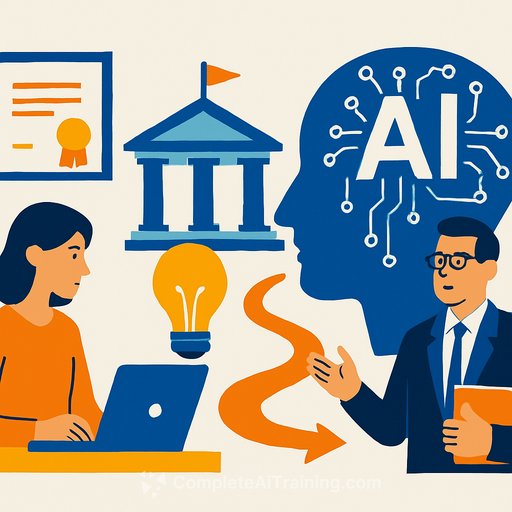
AI brings both promise and challenges to higher education. As institutions adopt these technologies, they must balance innovation with careful attention to ethical and practical issues. Success will depend on clear policies, educator readiness, and a commitment to fairness and privacy.
Your membership also unlocks: