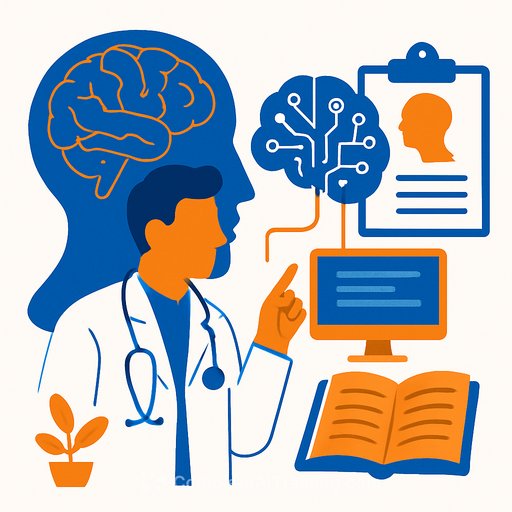
Rethinking Neurology Education With AI: A Preview of ANA/AUPN 2025
Artificial intelligence (AI) is steadily transforming neurology by improving diagnostic accuracy, streamlining clinical workflows, and supporting decision-making. Tools that detect stroke through imaging, predict disease progression, and analyze EEGs for epilepsy are already in use. As these AI models improve, their role in neurology education is set to grow.
The 2025 American Neurological Association (ANA) and Association of University Professors of Neurology (AUPN) Annual Meetings, scheduled for September 13-14, will spotlight AI’s expanding influence. A key session titled “The New Frontier: Leveraging AI to Enhance Clinical Care and Medical Education” will bring together expert moderators and academic leaders to discuss AI’s current and future applications.
Why Should Clinicians and Educators Attend?
The session will explore how AI can ease doctors' workloads by assisting with tasks like note-taking and pre-authorizations, freeing up more time for patient care. AI's potential extends beyond clinical practice to research—helping with literature reviews and manuscript editing.
Equally important are the ethical questions AI raises: How much should we rely on it? What oversight is necessary? These issues become especially relevant in education, where AI can personalize learning and reduce administrative burdens for trainees.
Educational Benefits and Skills from AI Integration
AI offers the ability to create personalized learning paths by identifying areas where residents need extra support. This targeted approach can make training more efficient and effective.
Additionally, teaching learners how to critically assess and use AI tools is crucial. Some AI applications pull from medical literature and guidelines, but their reliability varies. Educators must find a balance between foundational knowledge and AI-assisted learning, ensuring learners retain essential information while benefiting from technological advances.
Addressing Concerns About AI in Education
Concerns about AI replacing traditional learning are valid. However, the focus should be on how AI can supplement and enhance education rather than replace core knowledge. Today’s students prefer concise, interactive materials—AI can help deliver that while keeping learners engaged.
The challenge is to combine experienced clinicians' wisdom with new tools that motivate and support learners without overwhelming them.
Incorporating AI Without Disruption
Introducing AI doesn’t have to mean drastic change. Educators can start small by integrating AI into specific parts of education, clinical care, or research. This gradual approach allows adaptation at a comfortable pace.
Throughout this process, it’s essential to stay mindful of ethical considerations and evaluate the impact on learners, patients, and outcomes continuously.
Key Takeaways for Attendees
- Gain awareness of current AI tools applicable in education, clinical care, and research.
- Explore possibilities for future AI applications in neurology training.
- Engage in conversations about concerns, opportunities, and responsible AI use.
- Connect with leaders shaping the future of neurology education and practice.
Future Applications of AI in Neurology Education
One immediate benefit is reducing time trainees spend on administrative tasks like writing letters, clinic notes, and researching guidelines. More time can then be devoted to direct patient care and mentorship, which are vital for effective learning.
There is also excitement around developing interactive and innovative educational tools powered by AI, which could further enrich training programs.
For educators interested in expanding their knowledge of AI tools and how to apply them, resources like Complete AI Training offer practical courses tailored to various skill levels and job roles.
Your membership also unlocks: