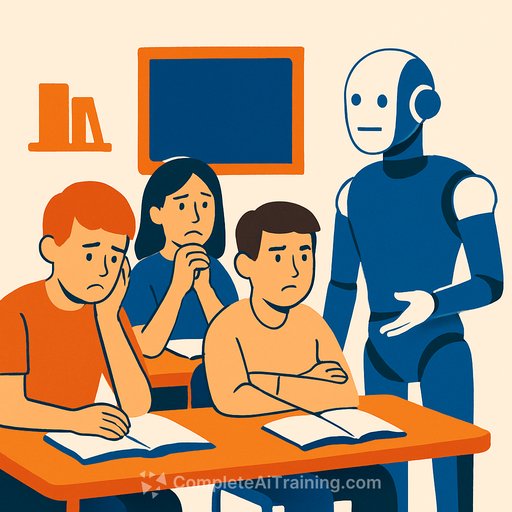
University Students Grapple with Anxiety and Distrust Over AI in the Classroom
The arrival of generative AI tools like ChatGPT, Gemini, and Claude is reshaping the academic landscape, stirring a mix of excitement and concern. While much discussion has focused on AI's potential to weaken critical thinking or facilitate cheating, an equally important question remains: How do students themselves feel about AI’s growing presence in their education?
Recent focus groups with 95 university students reveal that AI's impact goes beyond learning methods. It is influencing emotional experiences, trust levels, and relationships between students and faculty, as well as among peers.
AI as a Study Aid—and a Source of Comfort
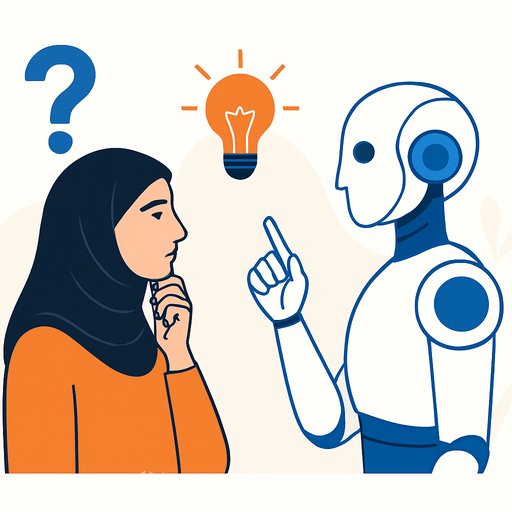
Many students turn to AI when pressed for time, faced with repetitive tasks, or feeling stuck. They often use AI not as a starting point but as a tool to get unstuck or to review their work. Some describe positive experiences using AI for study help or feedback on assignments. In fact, several students prefer AI chatbots over office hours, finding them less intimidating or judgmental.
One student shared, "With ChatGPT you can ask as many questions as you want and it's not going to judge you." This highlights AI's role as a non-threatening support system in an otherwise high-pressure academic environment.
Guilt, Helplessness, and Ethical Concerns
Despite its benefits, AI use comes with emotional baggage. Some students feel guilt or shame due to environmental impacts, ethical worries, or fears of appearing lazy. Others express a sense of inevitability, feeling trapped by AI's expanding role in education and future workplaces.
Unclear Rules Foster Anxiety and Distrust
Students report confusion about what constitutes acceptable AI use. The lack of clear guidelines has left them unsure of expectations, both from faculty and among peers. One student remarked, "We're not on the same page with students and teachers or even individually. No one really is."
This uncertainty breeds distrust. Students feel frustrated when classmates rely heavily on AI and fail to learn the material, especially during group work. One political science major explained, "It ends up being more work for me because it's not only me doing my work by myself, it's me double checking yours."
Distrust extends to instructor-student relationships as well. Many students worry about being unfairly accused of AI misuse, which adds to their anxiety and emotional distance from peers and faculty.
Impact on Academic Engagement and Relationships
Trust and connection between students and instructors are crucial for academic success. Peer relationships also play a vital role. If students avoid mentoring or collaborative learning due to AI-related tension or unclear rules, the quality of their education suffers.
Institutions might consider strategies to rebuild these connections. This could include emphasizing in-person classes, encouraging office hour attendance, and fostering informal faculty-student interactions through research projects and campus events.
Rethinking the Narrative Around AI Users
Rather than labeling students who use AI as "cheaters," it's important to recognize the complex reality they face. Many are navigating rapidly changing expectations without clear guidance or control.
As AI tools become more prevalent in education and beyond, listening to students' experiences and feelings is essential. Supporting them in building trust and meaningful relationships can help ease anxiety and foster a healthier learning environment.
For educators seeking to better understand AI’s role in education and explore practical AI training resources, Complete AI Training’s course offerings provide accessible options tailored to various skill levels.
Your membership also unlocks: