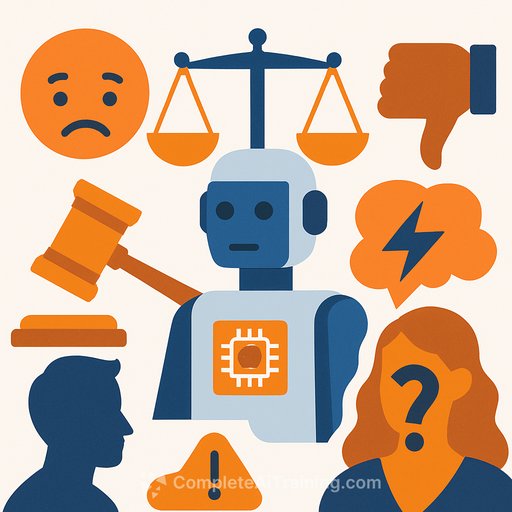
Concerns About AI in the Justice System
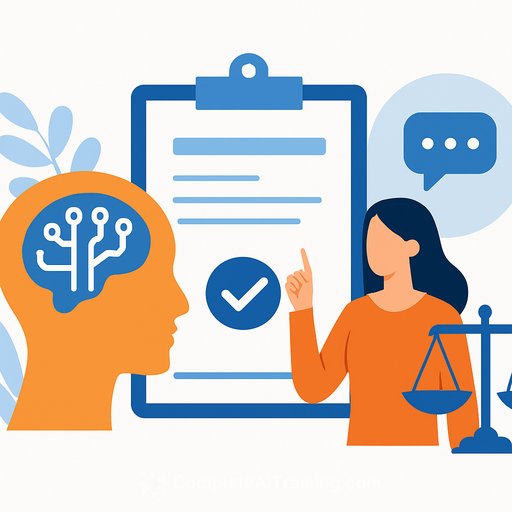
Fair and Just Prosecution (FJP), an organization dedicated to criminal justice reform, recently highlighted serious concerns about the use of artificial intelligence tools within the justice system. As police departments increasingly adopt AI to draft official reports, issues surrounding accuracy, due process, and public trust are coming to the forefront.
Accuracy and “Hallucinations” in AI
One major concern is the high error rate and the phenomenon known as “hallucinations,” where AI generates false or misleading information. While AI can recognize patterns and mimic human language, it cannot reliably distinguish fact from fiction. This limitation poses a risk, especially since AI systems trained on historical data may unintentionally reinforce racial and discriminatory biases.
Potential Constitutional Violations
Even small inaccuracies in AI-generated police reports could lead to significant legal problems. For instance, if an officer finds contraband in plain view but AI mistakenly records it as found inside the glove box, courts might rule the search unconstitutional. This demonstrates how AI errors can directly impact due process and case outcomes.
Privacy Risks
AI tools also struggle to reliably separate private information from relevant evidence. This can lead to sensitive details being disclosed improperly in reports or shared with unauthorized parties. Such breaches threaten individual privacy and risk damaging public confidence in law enforcement.
Questioning AI’s Efficiency Gains
Claims that AI speeds up report writing are not strongly supported by evidence. Independent studies, including one by Axon, show minimal time-saving benefits because many departments already have efficient processes and AI requires extensive data input. Efficiency improvements remain uncertain.
Calls for Caution and Transparency
FJP Executive Director Aramis Ayala strongly opposes the use of AI for police reports, emphasizing the high stakes involved. “When AI language models generate false narratives, real people pay the price,” Ayala stated. Reports generated by AI have already included errors such as naming officers who were not present or misattributing actions, which can distort evidence and affect justice.
Currently, there are no established safeguards, auditing processes, or bias mitigation protocols for AI-generated reports. Without these protections, introducing AI tools risks further eroding trust in law enforcement and the justice system.
Recommendations for Law Enforcement and Prosecutors
- Use AI tools cautiously and avoid rushing their adoption.
- Prosecutors should verify if local police departments are using AI-generated reports.
- Implement clear policies and safeguards to prevent errors, bias, and privacy breaches.
Failing to carefully evaluate AI's role could undermine law enforcement credibility, perpetuate systemic biases, and compromise fairness in the courtroom.
For legal professionals interested in understanding AI's impact on justice and exploring responsible AI use, resources and courses are available at Complete AI Training.
Your membership also unlocks: