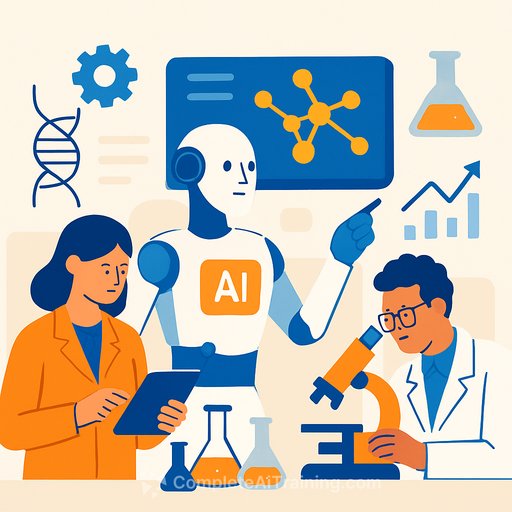
AI in the Lab: The Next Frontier for Operational Excellence in R&D
Artificial intelligence has been adding value in early-stage drug discovery for quite some time—long before ChatGPT entered the scene. Yet, its broader impact on lab operations remains limited. The culprit? Poor operational data.
Labs often lack a unified, structured view of their activities. Whether it's instrument usage, environmental monitoring, calibration schedules, or service requests, data is scattered. This fragmentation blocks AI from optimizing efficiency, predicting failures, and guiding strategic decisions. To go beyond research applications, AI must be integrated deeply into lab operations.
The Need for a Digital Lab Infrastructure
Legacy systems like traditional LIMS and ELNs still rely on fragmented spreadsheets and manual logs, creating silos of information. A centralized platform—such as newLab—can change that by offering a single source of truth. It manages shared equipment, service workflows, and cross-functional requests in one place.
By connecting scientists and lab managers, operational data is structured into a clean, high-quality pipeline. This transformation turns disconnected information into a valuable asset. Only with standardized data schemas and real-time connections can AI be deployed effectively to inform decision-making.
The Power of Predictive Operations: AI in Action
With a unified data foundation, AI moves beyond automation to predictive intelligence—the kind that R&D depends on. Instead of just logging past maintenance, AI analyzes usage patterns and error logs to forecast component failures accurately. This foresight enables proactive maintenance scheduling, reducing costly downtime.
AI also improves resource allocation by analyzing project demands and recommending intelligent schedules. It resolves equipment conflicts and optimizes utilization across the lab. Since resources are limited, efficient allocation often delivers the biggest impact.
Administrative tasks benefit as well. Labs commonly see a 20% drop in administrative workload for management teams. This reduction frees time to focus on better decision-making through 360° visibility into equipment performance and bottlenecks. Lab management becomes a data-driven operation, much like the research itself.
Operational Efficiency and Accelerated Innovation
Achieving operational excellence with AI lays the groundwork for faster scientific innovation—especially important amid funding cuts. By addressing fragmented data and applying predictive analytics, labs shift from reactive to proactive operations.
This shift goes beyond cutting costs or boosting efficiency. It aligns with the lab’s core mission: scientific output. When administrative friction decreases and resource management is smarter, scientists get more time for research. Operational improvements directly support discovery and innovation.
For operations professionals aiming to implement AI effectively, building this clean data foundation is key. It’s the practical step that unlocks AI’s true value in the lab.
Your membership also unlocks: