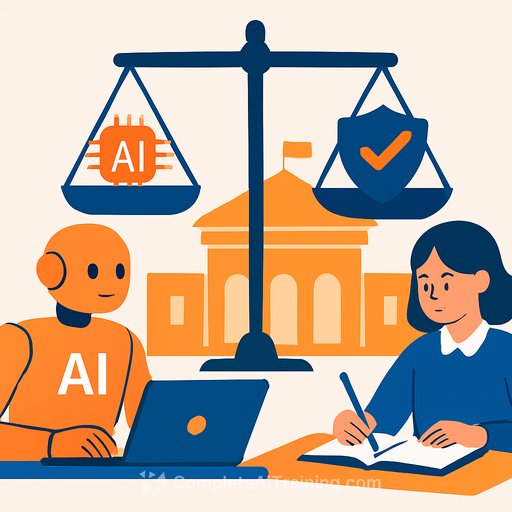
We’re Losing the Plot on AI in Universities
An AI controversy at Singapore’s Nanyang Technological University highlights the confusion around how generative AI tools should be used in higher education. A student shared on Reddit that she used a digital tool to alphabetize citations for a term paper. When the paper was flagged for typos, she was accused of violating rules on AI use. The issue escalated as other students reported similar experiences, including one penalized for using ChatGPT for initial research despite not using it to write the essay.
The university, which claims to welcome AI in learning, initially defended its strict stance. But public support for the students grew online, and one student won an appeal to remove an academic fraud label from her transcript. This episode might seem like a typical university dispute, but it exposed how unprepared both students and faculty are in setting clear AI boundaries.
AI in Education: A Global Challenge
While this debate is worldwide, it has stirred particular unease in Asia. The region’s strong focus on education is often linked to its economic success, with an emphasis on hard work ingrained early on. Yet how this shifts in the AI era is unclear. Despite promises from edtech companies about transformative potential, we lack solid data on AI’s long-term effects on learning and cognition.
Viral claims that AI might make students lazy add to the concern. Meanwhile, the rush to adopt AI risks turning students into unwitting test subjects, with little understanding of the true benefits or harms.
Why Educators Must Adapt
Ignoring AI isn’t an option. Even if some educators discourage AI, it’s increasingly unavoidable in research and study. Most online searches now include AI-generated summaries. Using these summaries shouldn’t be seen as cheating.
For example, a local survey of 500 Singaporean students found 84% use tools like ChatGPT weekly for homework. In China, universities rely on AI-based cheating detectors, despite their flaws. Some students report having to simplify their writing or pay for detection services to avoid false accusations.
Instead of banning AI, educators should focus on how students use it. Emphasizing the learning process over just the final product matters. Students need to explain how they reach conclusions, even with AI assistance. This approach helps catch AI errors and encourages critical thinking.
Great professors build trust, teach empathy, and give students confidence to tackle complex problems—skills a machine can’t replace.
The Bigger Picture
The Singapore case shows how uncertain everyone is. Even whether a tool that sorts references counts as generative AI is unclear. Ironically, saving time on tedious tasks is likely valuable in the workforce—if AI hasn’t already replaced those entry-level jobs.
AI literacy is becoming essential for future careers. Universities ignoring this risk leaving students unprepared. While we are still years away from fully grasping AI’s impact on education, we must avoid losing sight of the bigger goals as we figure things out.
For educators seeking to understand AI tools and their applications in education, resources like Complete AI Training’s latest courses can provide practical knowledge to stay informed and support students effectively.
Your membership also unlocks: