B2B sales organizations are navigating a rare convergence of structural pressures in 2026: the rapid integration of agentic AI, persistent failures in digital investment returns, fraying long-term client relationships, and incentive programs that quietly work against the revenue goals they are meant to support. A series of research-backed articles published by Harvard Business Review over the past year maps these fault lines in detail and points toward specific leadership responses.
AI is restructuring roles, not eliminating them
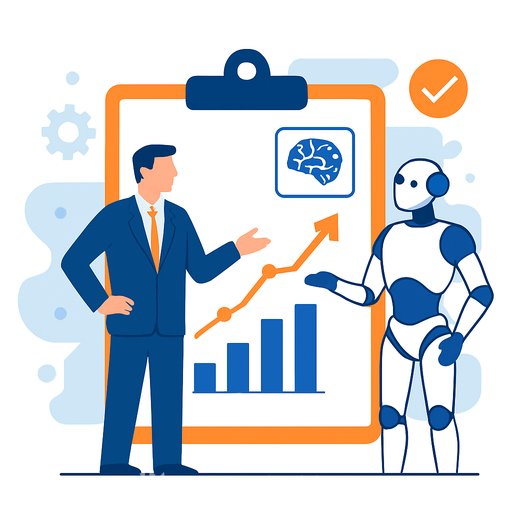
The most consequential technology shift affecting sales teams right now is the move from AI-assisted workflows to agentic AI-systems capable of taking autonomous, multi-step actions on behalf of sellers. A September 2025 HBR article authored by a team that includes McKinsey partners Candace Lun Plotkin and Jennifer Stanley concludes that the real opportunity lies not in replacing people but in fundamentally redesigning how humans and AI collaborate.
The pattern of AI reshaping roles rather than eliminating them is a core theme in AI for Sales discussions. The HBR research reinforces that the greatest gains come from redesigning how sellers and AI systems collaborate, not from simply adding automation to existing workflows.
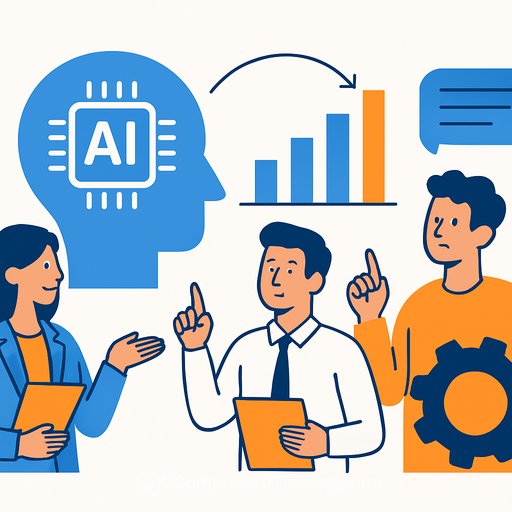
A companion piece from the same month places this moment in historical context: every major wave of technology adoption has redefined the sales role rather than eliminated it. The authors argue that teams currently growing alongside AI are treating the technology as a structural change to job design, not a productivity add-on. Scott Edinger, writing in March 2026, sharpens the operational implication: the quality of seller-client interactions must improve, not merely increase in volume. More AI-generated outreach without a corresponding rise in interaction quality will erode rather than build pipeline.
Digital investment returns are stalled by organizational design
Despite years of spending on CRM platforms, analytics tools, and AI copilots, most organizations are reporting underwhelming returns. Sinha, Shastri, and Lorimer identified the core problem in a February 2026 HBR article: companies are deploying new ways of working inside old organizational designs, creating a structural mismatch that limits what any technology can deliver.
Their earlier September 2024 piece outlined three specific obstacles to digital adoption and offered a remediation playbook. The consistent thread across both articles is that the barrier to value creation is management architecture, not the capability of the tools themselves.
Incentive plans often work against the revenue they are meant to drive
In an April 2025 HBR article, Scott Edinger and Lisa Earle McLeod argue that salespeople with a purpose beyond making money outsell those focused exclusively on targets and quotas. The finding has direct implications for how compensation plans are constructed. The authors identify three specific mistakes leaders make when setting sales incentives, each of which can produce behaviors that technically satisfy metrics while undermining long-term revenue health.
A related March 2025 HBR piece by Timothy M. Gardner, Colin Wong, and Rick Butler examines how salespeople game incentive systems, a complementary warning about the unintended consequences of poorly designed compensation structures.
Established client relationships are at greater risk than leaders think
While much of the AI and technology conversation focuses on acquiring new customers, HBR research highlights a quieter risk: the degradation of relationships with established accounts. A May 2026 article by Tatiana Astray identifies six specific steps sales teams can take to reset the dynamic when they have been undercutting themselves with longtime clients, a pattern the article suggests is more widespread than most leaders acknowledge.
Sinha, Shastri, Lorimer, and Namita Powers made a related case in December 2025, arguing that strategic accounts represent far more than a large revenue line and require a distinct relationship management approach. An October 2025 piece from the same core trio reinforced the value of in-person engagement for complex deals, pushing back against the default toward digital-only customer interaction.
CRO turnover and pricing add pressure at the top
At the leadership level, HBR research published in October 2024 by Nick Toman, Bryan Kurey, and Dave Lingebach documents the high costs of chief revenue officer turnover. The CRO role carries one of the shortest tenures of any position in the C-suite and is frequently blamed for below-target growth, yet the authors' research indicates that replacing the CRO often creates more problems than it resolves.
On pricing, HBR's June 2026 Agenda newsletter surfaced a perspective from pricing strategist Rafi Mohammed, who argues that with consumers worn out from years of price hikes, the moment calls for more creative approaches to capturing value rather than straightforward rate increases. For B2B sales leaders, that framing carries direct relevance to how their teams position and negotiate deals in a tariff-pressured environment.
Why this matters for Executives and Strategy
The research stream points toward a set of specific managerial priorities: redesign organizational structures before layering in more AI, build incentive plans around seller purpose rather than pure quota mechanics, protect and actively manage high-value long-term accounts, and treat in-person engagement as a strategic tool for complex deals rather than an operational holdover. A career-stage lens from Sinha, Shastri, and Lorimer adds that what salespeople need from their managers shifts meaningfully depending on where they are in their professional development, and a one-size approach to coaching and support leaves performance on the table at every level of tenure.
These strategic decisions require a clear understanding of how AI fits into the broader sales organization, a topic covered in AI for Executives & Strategy resources. The research makes clear that the path to revenue growth in 2026 runs through structural and behavioral change, not more technology alone.
Your membership also unlocks: