
AI news ·
AI increases insurance fraud risk by generating fake documents and media
Aviva flagged 18,000 suspect claims worth £233m in 2025 as AI drives insurance fraud. UK brokers rank AI as their fourth-greatest threat for 2026.
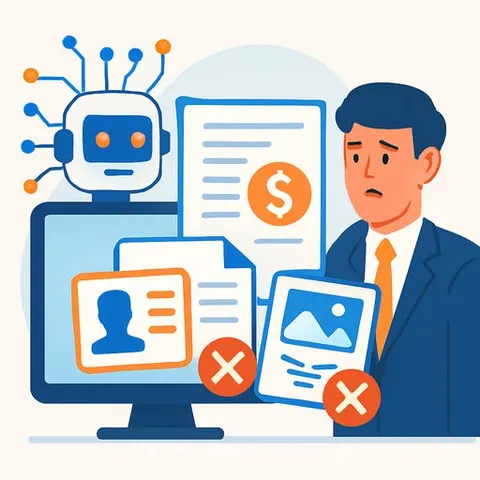
Aviva flagged more than 18,000 suspect claims worth £233m across its brands in 2025, with AI a key factor enabling fraudsters to fake car crashes, exaggerate claims, and forge documents. The technology is making insurance fraud faster, cheaper, and far more scalable than before.
UK brokers now rank the rise of AI as the fourth-greatest threat facing them in 2026, according to GlobalData's UK Commercial Insurance Broker Survey. That's a sharp jump from 2025, when the same option sat eighth with just 5.2% of brokers selecting it. This year, 9.6% of brokers named AI as their top concern, trailing only economic crisis, competitor pressure, and a soft market.
Where AI fraud hits hardest
The most immediate danger is the ability to produce convincing fake images and videos. Fraudsters can generate photographs of vehicle damage or even staged crash videos to launch a claim. On a simpler level, AI tools churn out counterfeit medical records, repair invoices, and other supporting documents with minimal effort.
Audio fraud is another growing vector. Synthetic voices can bypass call centre verification checks or be used to scam genuine policyholders, opening new avenues for social engineering and identity theft.
Lower barriers, bigger scale
AI strips away the technical skill and time that traditional fraud once demanded. Tasks that required Photoshop expertise or careful manual forgery can now be automated in seconds. This democratisation of deception means a single bad actor can generate and submit a high volume of falsified claims, multiplying the potential losses for insurers.
Countering AI fraud with AI
Insurers, brokers, and reinsurers are still working out how to embed AI across the value chain, but the most urgent priority is detection. The same technology that enables fraud must be turned against it. Providers need tools that can spot synthetic images, deepfake audio, and patterns invisible to human reviewers. AI for Insurance is not just about efficiency-it is becoming a frontline defence against machine-generated deception.
Why this matters for insurance professionals
Fraudsters are adopting AI faster than many insurers are building defences. The £233m in suspect claims at Aviva alone shows the scale of the problem. For claims handlers, underwriters, and fraud investigators, the message is concrete: invest now in AI-based detection, train teams to recognise synthetic media, and treat every piece of digital evidence as potentially manufactured. The gap between attackers' tools and insurers' countermeasures will define loss ratios in the years ahead.