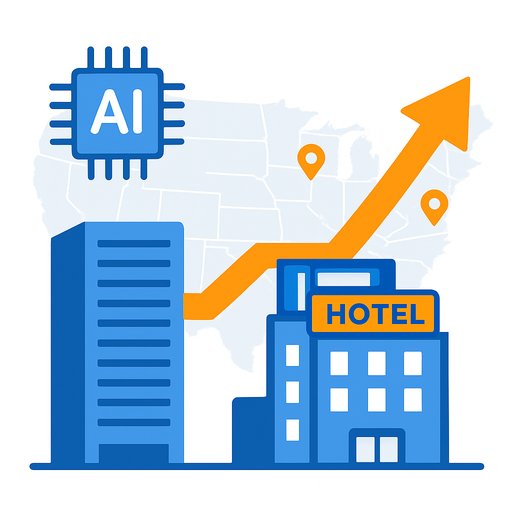
AI Data Centers Are Reshaping Hotel Demand in Specific U.S. Markets
Large-scale data center construction is concentrating hotel demand in particular regions, creating sustained occupancy spikes tied to workforce needs rather than traditional travel patterns.
Northern Virginia, Texas, and Arizona have become primary hubs for data center development. These projects require access to land, energy capacity, and network connectivity-conditions that also drive localized lodging demand.
Target Hospitality signed a contract worth approximately $500 million to house up to 4,000 workers supporting a data center project in Texas. The scale illustrates how infrastructure investment translates directly into hotel bookings.
A Sustained Demand Pattern, Not a Seasonal Spike
Infrastructure-driven demand differs from event-based or seasonal surges. It tracks project timelines and creates extended periods of elevated occupancy in specific markets, often outside major urban centers where hotel supply is limited.
When large projects overlap with existing travel demand, smaller markets can experience temporary supply constraints.
What This Means for Hotel Operators
Extended-stay and select-service properties are well positioned to capture this demand. Higher occupancy rates and more predictable booking patterns offer clear advantages.
The risk cuts both ways. Project delays, timeline shifts, or changes in investment cycles can quickly reduce demand once development phases end. Relying on a single demand driver introduces volatility.
Pricing power is also constrained. Negotiated workforce contracts typically offer rates below what transient guests pay, limiting revenue upside even with high occupancy.
Geographic Performance Becomes Uneven
National hospitality trends increasingly reflect localized economic activity. Rather than uniform growth, certain regions benefit disproportionately from infrastructure investment while others see no change.
Development decisions may shift as investors target markets with strong data center pipelines. This concentration of capital creates winners and losers at the regional level.
Planning for Infrastructure-Driven Growth
As AI and data center investment expands, identifying markets with active infrastructure projects becomes a key strategy for operators and investors.
Managing exposure to project-based demand remains critical. The same forces driving localized growth introduce volatility once development cycles shift.
For hospitality professionals, understanding these localized demand drivers-and their constraints-is essential to positioning assets effectively. Learn more about AI for Hospitality & Events and how infrastructure trends affect AI for Operations in your market.
Your membership also unlocks: