AI health advice is cheaper. For insurers, here's the real cost calculus
High costs, long wait times, and a maze of appointments push people to seek alternatives. Many don't feel heard in the system to begin with. In a 2022 MITRE/Harris poll, 52% said their symptoms were ignored, dismissed, or not believed. That's not a small trust issue - that's a member experience problem with downstream effects on cost and outcomes.
It's no surprise then: in a 2025 survey from the Annenberg Public Policy Center, 79% of U.S. adults said they're likely to look online for health information. Over half think AI-generated health content is at least somewhat reliable. For carriers and brokers, this shift changes first contact, triage paths, and the timing of care - whether you sanction it or not.
What consumers are asking AI about - and why it matters to payers
On Docus, an AI health platform, 46% of users searched mental health topics like anxiety or depression. Another 20% looked up skin conditions, 12% headaches, and 9% digestive issues. These are high-frequency, variable-acuity complaints that can swing from self-care to urgent care fast.
For plans, that means AI is already a front door. It can deflect low-acuity visits or, if wrong, delay necessary care and increase severity at first claim. Either way, it affects utilization, care pathways, and member satisfaction scores.
The risk picture: AI underperforms physicians today
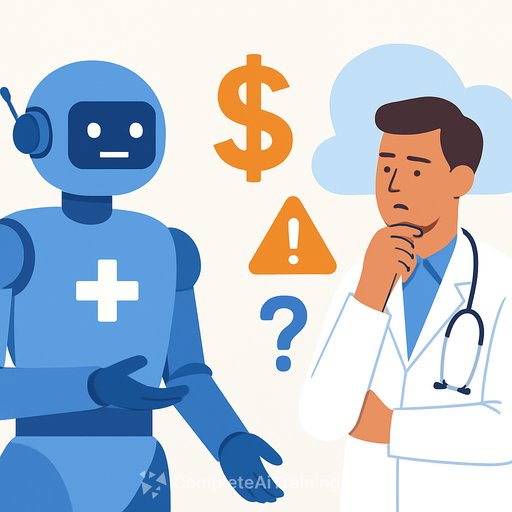
Convenience aside, AI still trails clinicians on diagnosis. A study in npj Digital Medicine found AI models performed significantly worse than expert physicians. That gap is your risk window: false reassurance, delayed imaging, missed red flags - then higher-cost interventions later.
As of now, an AI "diagnosis" doesn't yield a prescription. A proposed Health Technology Act of 2025 could change that in the future, but for the moment, human clinicians are still required. Plan policies should be written for current reality, with an eye on fast-moving regulation.
Cost vs. clinical risk: what members optimize for
For the uninsured or underinsured, AI is cheaper - sometimes free. At-home tests paired with AI analysis often cost less than a specialist visit and don't require time off work or travel. That's rational behavior when budgets are tight.
But generative AI can miss nuance - comorbid symptoms, medication conflicts, or atypical presentations. If AI shrugs off persistent headaches, a member might delay care. If it suggests a better diet, there's little harm. The variance is the problem.
What insurers can do now
- Stand up a safe first stop. Offer a plan-approved symptom checker that routes to a nurse line or telehealth when risk flags appear. Pair AI with human triage, not as a replacement.
- Cover smart, low-cost on-ramps. Telehealth, retail clinics, and select home tests can reduce barriers without encouraging indefinite self-management.
- Write the guardrails. Clear disclaimers, PHI handling rules, audit trails, and escalation criteria. If you surface AI tools in member apps, own the standards.
- Target the "dismissed" member experience. 52% feel unheard. Tighten follow-up flows, second-opinion access, and fast tracks for recurring complaints to prevent DIY care detours.
- Measure deferral risk. Track time-to-first-visit after AI or digital triage, subsequent acuity at presentation, and avoidable ED admits. Adjust benefits and prompts accordingly.
- Tune benefits to nudge the right care. Lower copays for tele-mental health and primary care follow-ups for persistent symptoms. Prioritize access over friction.
- Vendor diligence. Require clinical validation vs. physician benchmarks, bias testing, ongoing monitoring, and transparent model updates for any AI tool you surface.
- Educate without fear. Align with FDA guidance: home tests and AI can support self-care, but they don't replace regular doctor visits - especially with symptoms or chronic disease.
Where AI can add value today (with controls)
- Symptom education: Common-sense context and next-step guidance that escalates when risk factors or persistent symptoms appear.
- Adherence nudges: Reminders, questions to ask at appointments, and preparation checklists that make brief visits count.
- Access bridge: For members who feel dismissed, AI can help them organize timelines, track symptoms, and bring clearer notes to clinicians.
Member-facing cost tips you can reinforce
- Use outpatient facilities and telehealth where clinically appropriate.
- Leverage covered home testing for screening and monitoring, then share results with a clinician.
- Encourage bill review and negotiation - many charges can be reduced.
Regulatory note
The FDA does not discourage home testing or consumer AI tools, but advises against replacing regular doctor visits with them. That aligns well with plan strategies that treat AI as a support layer, not the destination.
Upskilling your team
If your role touches care management, member experience, or digital product, AI literacy is now part of the job. For structured paths by role, see AI courses by job.
Article sources
- Mitre/Harris Poll on patient experiences (2022): MITRE
- Annenberg Public Policy Center health survey (2025): APPC
- Diagnostic performance study: npj Digital Medicine
- FDA perspective on home testing and consumer health tech: FDA Consumer Updates
Your membership also unlocks: