AI Enhances Trade Flow Predictions and Accelerates Document Processing
Trade finance is facing growing challenges as regulation and complexity increase. Digital systems must connect seamlessly, and centralised platforms offer a straightforward, cost-effective way to link these systems. Although interoperability’s benefits—improved efficiency, security, and collaboration—are widely acknowledged, the industry remains far from fully achieving it.
This issue was a key focus at the Collaborative Trade Finance Innovation Forum on 18 June, co-hosted by Surecomp and Traydstream. The event brought together stakeholders from banks to CFOs to discuss digitalisation, collaboration, and the future of trade finance. Five main themes emerged consistently throughout the discussions.
1. AI Is Here to Stay
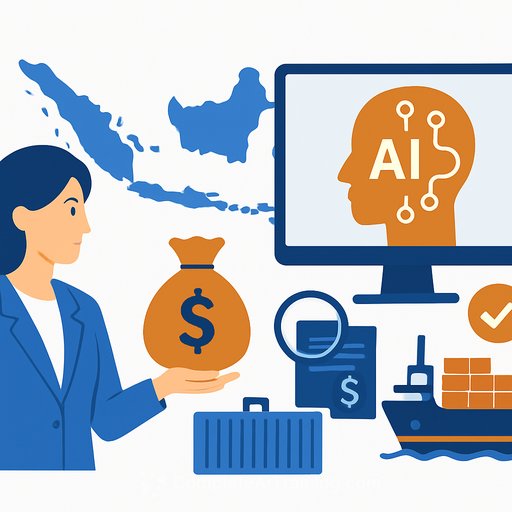
Artificial Intelligence is making a tangible impact in trade finance. Companies use AI to forecast global trade flows, adjusting prices and supply chains based on predicted demand and potential disruptions. AI integration in digital platforms, such as Surecomp’s RIVO™, is speeding up document processing and improving security during document drafting.
Generative AI—the technology behind chatbots like ChatGPT—has promising applications in automating document creation and error detection, potentially driving further efficiency gains.
2. Complexity Is Increasing Everywhere
Banking is among the most regulated sectors globally, but expanding regulation—including rules covering third-party providers and emerging technologies like blockchain and AI—is complicating daily operations. Banks must dedicate significant resources to remain compliant.
Efforts like the Model Law on Electronic Transferable Records (MLETR) aim to standardise regulations, but uneven adoption—such as Spain’s absence—limits its effectiveness. Additionally, growing interdependence across countries and industries increases supply chain complexity, making it harder to predict shocks.
For example, the announcement of tariffs on Liberation Day caused a global spike in shipping prices well before implementation, even affecting unrelated shipping routes.
3. Interoperability Is Key — and Closer Than You Think
Trade finance depends heavily on interoperability, yet fragmented systems and slow digital adoption hold the industry back. Resistance to change remains a hurdle.
However, full integration doesn't require massive overhauls. Adding a “middle layer” like Surecomp’s RIVO™ can connect fragmented offices and systems into a centralised ecosystem. This approach enables a single integrated digital platform to process documents, improving efficiency and connectivity at a fraction of the usual cost.
4. Digitalisation Has a Long Way to Go
Despite advances, digital solution adoption in trade finance lags behind other industries. Electronic bills of lading, which speed up and secure document processing, are used in only about 5% of cases.
This slow uptake highlights the need for more commitment to digital transformation to unlock operational benefits.
5. Centralised Platforms Are the Way Forward
To boost interoperability and collaboration, institutions need to embrace centralised platforms. These solutions increase transparency, streamline operations, save time, and reduce costly errors.
Interestingly, corporates often lead the push for interoperability, urging banks to adapt or risk losing business. As global trade becomes more interconnected and complex, trade finance must evolve by adopting digital tools and centralised platforms to remain competitive.
For finance professionals interested in how AI and digital platforms are reshaping trade finance, exploring targeted training can provide practical insights and skills. Check out Complete AI Training’s AI tool databases to find relevant courses and tools.
Your membership also unlocks: