How AI Is Transforming SEO and Content Marketing
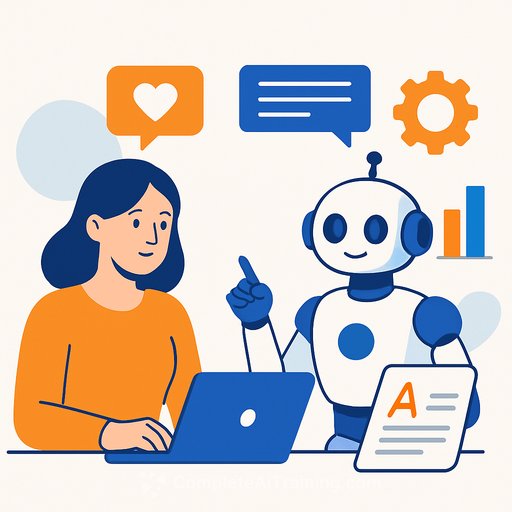
Think of AI as your assistant, not your replacement. Used well, it cuts busywork, surfaces insights, and gives you more time to do what humans do best - strategy, creativity, and relationships.
If you work in marketing, you've seen the shift. Keyword lists, audits, briefs, outlines - tasks that took hours now take minutes. The upside is speed. The advantage comes from judgment.
Smarter Optimization, Not Just Faster
AI tools can scan pages, flag structural issues, and suggest fixes on the spot. Platforms like SEOToaster and modern CMS setups automate schema, internal links, and technical checks that used to pile up in backlogs.
Trend prediction is getting better too. Models spot rising queries from search data, social chatter, and forums. That means you can plan content calendars earlier and hit topics before they spike.
The catch: AI can tell you what is hot. It can't tell you why people care. That leap - context, positioning, message-market fit - is still your edge.
Writing That Feels Personal (Even If a Model Helps)
AI drafts are useful for outlines, summaries, and first passes. But raw machine text often misses nuance, story, and lived experience. If it reads like filler, people bounce.
Keep the machine in the background. Let it group keywords, propose titles, and condense research. Then you add perspective, examples, and specifics your competitors can't copy.
Google's guidance is clear: create content that genuinely helps people. If you need a reference point, review their approach to helpful content here: Google Search Central.
Turn Raw Data Into Decisions
Dashboards are noisy. AI can translate them into plain language: what moved, why it moved, and what to try next. That shortens the path from "we noticed a dip" to "ship a fix."
Be careful with thin datasets. If your traffic is small or your audience behaves differently than the model expects, insights can skew. Treat outputs as hypotheses. Validate with experiments.
Personalization That Actually Serves the User
Personalization is finally practical. You can adjust modules, recommendations, or CTAs based on behavior without building a giant rules engine. Engagement improves when the next step feels obvious.
Relevance beats tricks. Show people what helps them move forward - comparisons, FAQs, product fit guides - and they'll stay longer and convert more often.
Better Experience, Better Visibility
Search performance ties closely to experience. Faster pages, clearer paths, and fewer errors tend to correlate with stronger results and happier users.
AI can identify dead ends in user flow, compress heavy media, and recommend internal links at scale. For site speed and experience fundamentals, this primer helps: Core Web Vitals.
Still, some fixes require taste. If your headline is dull or your layout is cramped, no tool can save it. Watch session replays, talk to customers, and iterate.
Where AI Still Struggles
- Originality plateaus: Models remix what exists. Without your edit, the result reads generic.
- Bias creeps in: Skewed training data can produce skewed suggestions. Review with a critical eye.
- Systems change: Search updates happen. Over-automation makes your strategy brittle.
- Human insight wins: You know your audience's emotions, objections, and language. That's hard to fake.
A Practical Playbook for Marketers
- Research: Use AI to cluster keywords by intent and funnel stage. Prioritize topics with rising demand and clear business value.
- Briefs: Generate outlines, FAQs, and angle options. Add your POV, examples, and proof (data, quotes, screenshots).
- Drafting: Let AI handle intros, summaries, and transitions. You handle hooks, frameworks, and stories.
- On-page: Automate internal links, schema, alt text, and meta suggestions. Sanity-check before publishing.
- UX: Run AI-assisted audits for image weight, layout shifts, and navigation friction. Ship quick wins weekly.
- Analysis: Ask for plain-language insights, then design A/B tests. Make one change per hypothesis to learn fast.
- Personalization: Start small - next-best article blocks, segmented CTAs, and product recs based on last click.
Metrics That Matter
- Topic authority: Organic traffic and links to your core clusters.
- Engagement quality: Scroll depth, time on primary sections, and return visits.
- Conversion flow: Click-through from content to CTAs, demo/signup rates, assisted conversions.
- Experience health: Core Web Vitals, error rates, and internal link coverage.
- Content efficiency: Time-to-publish and update velocity per writer or pod.
Tool Stack Suggestions
- Research: AI keyword clustering + social listening for early signals.
- Creation: A writing model for ideation, a grammar pass, and a style guide baked into prompts.
- Site health: CMS with AI-assisted internal links, image compression, and broken-link checks.
- Insights: Analytics with natural-language queries and anomaly alerts.
The Takeaway
AI makes SEO and content more efficient and more strategic - if you pair it with human judgment. Let automation handle the repetitive pieces: clustering, audits, summaries, and routine fixes.
Spend your time on what compounds: positioning, narrative, examples from real customers, and clear offers. That's how you build trust and stay ahead.
If you want structured practice applying AI to marketing workflows, this program can help: AI Certification for Marketing Specialists. For tool discovery by role and skill, browse here: Courses by Job.
Your membership also unlocks: