AI in travel and hospitality: Personal, efficient, and unmistakably human
Travel is changing fast. AI has moved from back-office helper to a frontline driver of personalisation, operational speed, and guest empathy. For hospitality and events teams, the message is clear: experience wins, and AI is the engine behind it. For practical guidance aimed at operations teams, see AI for Operations.
From convenience to connection
Guests don't just want frictionless. They want to feel seen. AI reads signals from booking history, on-property behaviour, and feedback to anticipate preferences before a request is made - seat selection, dietary needs, room type, even coffee habits.
This isn't guesswork. It's pattern recognition at scale that turns generic service into a sense of "they get me," which is what drives loyalty and better reviews.
Intelligent touchpoints, end to end
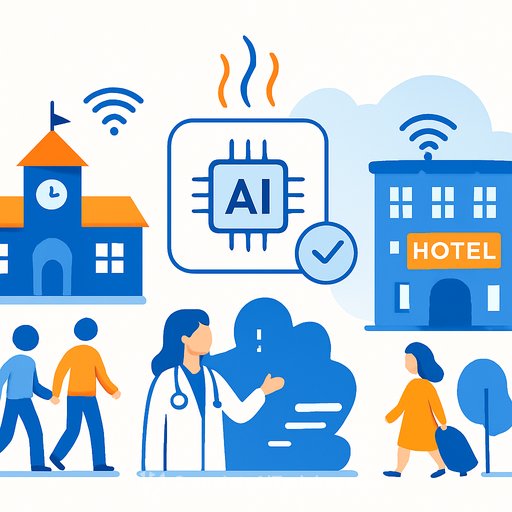
AI cleans up the entire trip experience, quietly. Biometric boarding shaves minutes off queues and improves security, while virtual assistants handle common questions instantly so human teams can focus on nuanced issues.
Service recovery gets faster too. If a delay hits, smart systems can rebook, notify, and suggest alternatives before the traveller opens their email. Technology stays in the background; relief is what the guest feels.
- Airports: Biometric identity checks and smoother boarding. See the IATA One ID initiative for how this is rolling out at scale: IATA One ID.
- Hotels: Predictive maintenance reduces in-stay disruptions; AI guest messaging clears routine requests quickly.
- Events: Smart registration, capacity alerts, and live sentiment analysis to adjust staffing and programming on the fly.
Personalisation that actually drives revenue
Personalisation at scale is more than "first name" emails. It's real-time offers that fit context, timing, and intent - the right room upgrade, the spa slot that aligns with itinerary gaps, or event tracks that match interests.
- Hotels: Offer a preferred room layout, pillow type, or late checkout based on history and live occupancy.
- Airlines: Ancillaries (bags, lounge, Wi-Fi) that match trip purpose and past acceptance patterns.
- Cruise and tours: Excursions and dining rotations synced to guest profiles and social groups.
- Events: Session recommendations, VIP perks, and exhibitor matches based on attendance behavior.
Done right, this feels helpful, not pushy - and it lifts conversion without discounting.
Disruption response with speed and empathy
Weather, strikes, system outages - disruption is part of the business. AI helps brands act fast and communicate clearly. Models flag impacted guests, queue the best alternatives, and send proactive updates with self-serve options.
The result: shorter re-accommodation times, fewer call spikes, and calmer guests. Internally, teams get a single view of status, next steps, and exceptions that need human judgment.
Demand forecasting that drives smarter planning
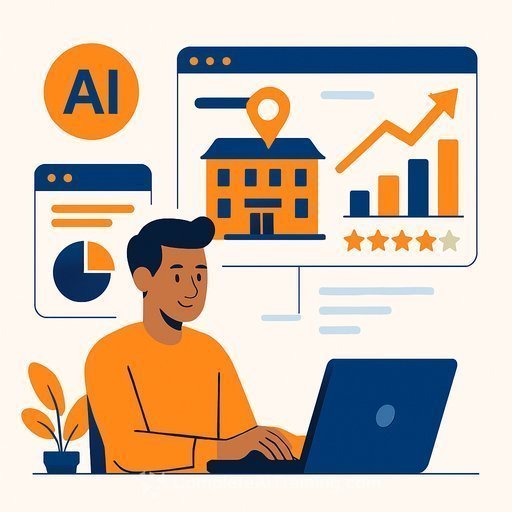
Forecasting used to be seasonal averages and gut feel. Now, AI blends historical bookings, macro trends, local events, and even live sentiment to project demand with sharper accuracy.
- Airlines: Adjust schedules, aircraft type, and pricing to match demand pockets.
- Hotels: Shift rate strategy, staffing, and inventory mix (suites vs. standards) ahead of spikes.
- Events: Predict attendance by segment, plan F&B precisely, and right-size venue footprint.
Better forecasts cut waste, protect margins, and help teams make confident calls earlier. For teams focused on inventory and forecasting, the AI Learning Path for Supply Chain Analysts is a practical resource, and for capacity and event footprint planning, consider the AI Learning Path for Production Planners.
Sustainability that guests can trust
More travellers care about impact - and they vote with their bookings. AI can suggest lower-emission routes, choose greener vendors, and tune building systems to cut energy and water use without hurting comfort.
Transparency matters too. Clear reporting on emissions and resource savings builds credibility with mindful guests. For broader context on sustainable tourism standards, explore UNWTO's sustainability work.
Keep the human at the centre
AI handles repetition and speed. People handle nuance and care. The best operators route routine tasks to machines and free frontline teams to listen, solve edge cases, and build real connection.
That balance is what turns tech into trust.
A 90-day playbook for hospitality and events teams
- Map moments that matter: Inquiry, booking, arrival, in-stay/in-event, recovery, post-stay follow-up. Pick three friction points to fix first.
- Start with data you already have: PMS/CRS, loyalty, CRM, guest messaging, ticketing. Clean duplicates, standardise fields, and set consent rules.
- Deploy quick wins:
- AI chat for FAQs and basic requests with human fallback.
- Proactive re-accommodation workflows for delays and cancellations.
- Personalised pre-arrival or pre-event emails with dynamic add-ons.
- Measure what matters: Response time, CSAT/NPS, re-accommodation time, conversion on offers, RevPAR/Ancillary revenue, attendance rate, energy per occupied room or attendee.
- Train your people: Micro-training on prompt writing, exception handling, and privacy. Build comfort and good judgment, not just tool usage.
- Set guardrails: Clear escalation paths, bias checks on models, opt-outs, and transparent messaging wherever AI is guest-facing.
Practical use cases you can launch this quarter
- Guest messaging copilot: Auto-categorise requests, suggest responses, and trigger work orders; agents approve with one click.
- Smart upgrades: Score guests by likelihood to accept, show two relevant options, and close with time-bound offers.
- Event assistant: Real-time session recommendations, capacity nudges, and post-session summaries pushed to attendee inboxes.
- Energy optimisation: Predict low-occupancy windows and auto-adjust HVAC/lighting by zone without hurting comfort.
Team skills and tools
You don't need a giant data science department to start. You need a product owner, an ops lead, a frontline champion, and IT for integrations. Most value comes from connecting what you have and setting clear policies.
If you're building capability, these resources help: AI courses by job role and latest AI courses.
What this means for your brand
Guests will forgive hiccups if you respond fast and with care. They won't forgive silence or confusion. AI gives your team the speed, foresight, and context to show up like a host who's two steps ahead.
Keep it simple: fix the obvious friction, personalise the moments that count, protect privacy, and let your people lead with empathy. That's how you turn technology into loyalty - and loyalty into profit.
Your membership also unlocks: