AI and the Future of Education in the Kingdom: From Vision to Classroom Results
Last updated: 11 hours ago
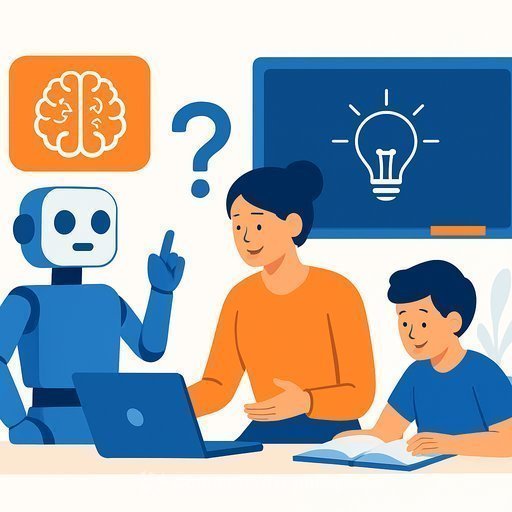
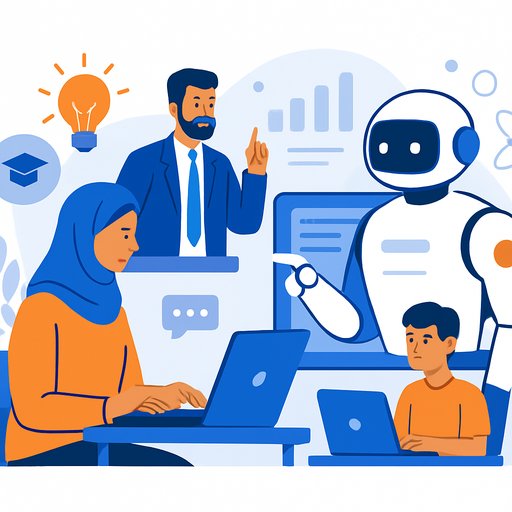
Artificial intelligence is moving from big promise to daily practice across schools in the Kingdom. Intelligent systems are analyzing student progress and serving relevant content, while giving teachers clearer data and more time for actual teaching.
This momentum fits the national push for a knowledge-based economy grounded in innovation and research. The goal is simple: flexible, inclusive learning that meets every student where they are and prepares them for real work and real life.
From vision to action: national platforms now live
The Ministry of Education rolled out "Ajyal," a unified platform for education information management and e-learning across all schools. It enables interactive, personalized learning for students and gives teachers data-driven planning, assessment, and monitoring tools.
Ajyal also supports the creation of national digital content and ensures it's organized and secure. That foundation makes the system ready for deeper AI use while keeping content quality and safety front and center.
Alongside Ajyal, the ministry launched "Siraj," a smart educational assistant developed under the National Council for Future Technology and guided by directives from His Royal Highness the Crown Prince. Schools have already run more than one million interactive conversations with Siraj, all grounded in official curricula.
Siraj helps students build self-directed learning habits and helps teachers prep content faster, cut routine tasks, and boost Productivity. The assistant continues to improve based on pilot feedback and classroom results.
Clearer pathways for secondary students
The ministry introduced an academic fields platform for 11th graders, helping them choose and apply for the field that fits the updated General Secondary Education Examination (Tawjihi) system. This reduces guesswork and gets students into the right courses earlier.
A ninth-grade classification platform now guides students toward either the academic track or the BTEC vocational education track. Early guidance makes choices more aligned with each student's interests and abilities.
What experts are seeing in classrooms
AI expert and University of Jordan associate professor Dr. Ali Al-Roudan notes a clear shift from memorization to learning built on comprehension, analysis, and interaction. With adaptive pacing, step-by-step explanations, and instant feedback, students solidify concepts faster and more reliably.
He highlights gains in digital-era skills: critical thinking, problem-solving, data analysis, and self-learning. When paired with the Internet of Things and cloud services, lessons move from static content to interactive experiences that reflect how the wider digital economy works.
Al-Roudan is clear: teachers remain the cornerstone. Technology should reduce routine burdens so educators can focus on guidance, higher-order thinking, and values.
He also points to curriculum updates that include computational thinking, data analysis, cybersecurity, and cloud technologies. None of it works without trained teachers-technical skill and pedagogy have to grow together for real results.
Former Ministry of Education Director of Education Dr. Sami Mahasis underscores the investment required-financial and technical-to modernize learning. The ministry is building infrastructure in headquarters and school labs, training teachers, and developing interactive digital curricula to anchor digital learning in public and private schools.
He also notes the overhaul of vocational and technical education launched in 2023-2024. The track now spans three years, giving students more time for hands-on training, with new specialties that match market needs, including aeronautical engineering, gaming, and e-sports.
Practical steps for school leaders and teachers
- Set one clear instructional goal per term (e.g., more frequent formative feedback, reduced grading time, improved reading comprehension).
- Use Ajyal analytics for Data Analysis to group students, plan targeted interventions, and review progress weekly.
- Pilot Siraj in one subject for four weeks. Establish usage norms (10-15 minutes of guided practice per lesson) and gather quick feedback from students and teachers.
- Run short PD cycles on prompt writing, data-informed instruction, and AI safety. Pair early adopters with colleagues for shoulder-to-shoulder coaching.
- Protect data: define access levels, enable two-factor authentication, and audit all content uploads for accuracy and safety.
- Measure what matters: student engagement, quiz mastery, time saved by teachers, and student wellbeing. Adjust every six weeks.
Quick wins to put in place this term
- Convert routine worksheets into adaptive practice inside Ajyal, with auto-generated hints and sample responses.
- Use Siraj to draft lesson hooks, formative checks, and differentiated question sets across ability levels.
- Bring simple IoT kits into science lessons so students can test ideas with live data.
- Offer weekly "AI office hours" for students who need focused support or extension activities.
Safeguards and ethics
Keep a human in the loop for grading decisions with real consequences and for any sensitive student data. Teach students responsible use, source citation, and how to spot bias.
For policy and school-level guidance, see UNESCO's AI in education recommendations here.
Upskilling for educators
If your team needs a structured path to build AI skills for teaching and leadership roles, explore curated course maps by job function here.
Looking ahead
The Kingdom's agenda is now visible in classrooms: national platforms, smarter workflows for teachers, and clearer student pathways. With steady iteration and strong ethics, schools can deliver inclusive, flexible learning that meets labor-market needs and student goals.
Your membership also unlocks: