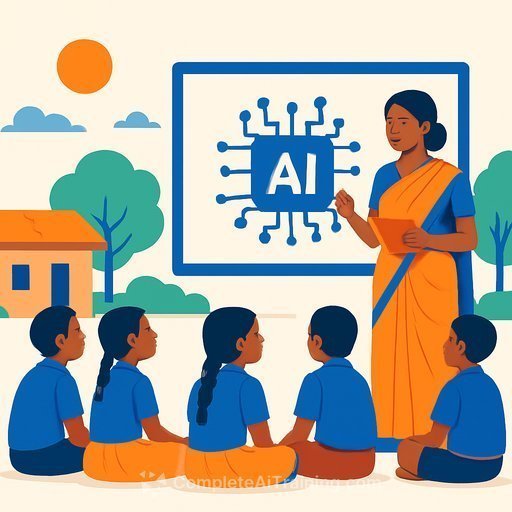
How Artificial Intelligence is Reframing Azerbaijan's Education System
AI is changing how students learn, how teachers teach, and how schools operate. With a national push for digital education, the country now has the conditions to put intelligent tools to work at scale. The outcome: more personalized learning, lighter workloads for teachers, and a system that improves faster.
A foundation built for scale
Large, centralized platforms already connect millions of learners and tens of thousands of teachers. That digital backbone makes it simpler to add adaptive tutoring, content recommendation, and learning analytics without rebuilding everything from scratch. Scale is no longer the bottleneck; quality implementation is.
Personalizing learning for every student
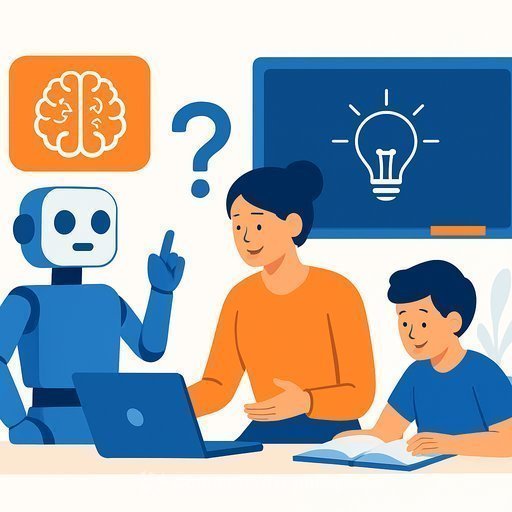
Adaptive platforms read performance data and serve the next best exercise. Slow reader? Easier tasks, more practice, quicker feedback. Fast learner? Harder problems, accelerated pacing, richer challenges. Beyond full automation, AI helps students find reliable sources, verify answers, and avoid early mistakes-like using a math solver extension that shows each step instead of guessing until errors become habits.
Stronger support for teachers
AI can handle routine grading, surface common misconceptions, and suggest differentiated activities for mixed-ability classes. Tasks that used to take hours now take minutes, freeing teachers for mentoring and deeper explanation. Professional development also gets sharper-analytics point to the exact skills each teacher needs, leading to better lesson plans, less burnout, and higher-impact instruction. Explore the AI Learning Path for Teachers for practical next steps.
Modernizing classrooms and curriculum delivery
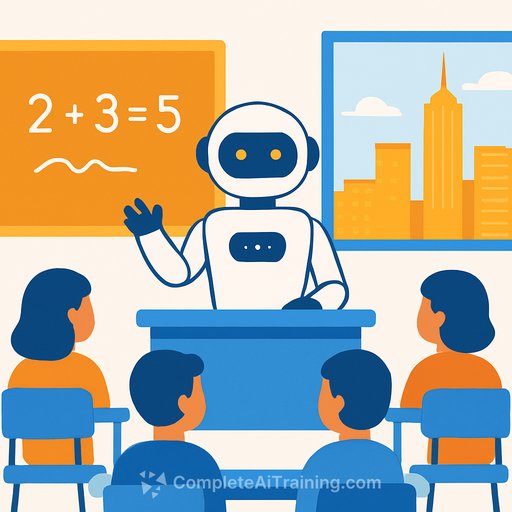
Interactive whiteboards, AI-driven lesson planning, and multilingual speech recognition make lessons more engaging. Textbooks can be converted into audio, short video clips, or interactive quizzes aligned to a lesson plan. This improves access for diverse learners, including students with different learning styles or disabilities.
Expanding access across regions
Once a high-quality digital course is created, it can be shared nationwide through school portals and mobile apps. Students in smaller towns gain the same prepared lessons and virtual tutors found in major centers. National investments in connectivity and digital literacy mean AI tools can plug in with consistency and reach.
STEM skills and future careers
Interactive coding tutors, simulated labs, and intelligent project platforms let students experiment safely and learn by doing. Career analytics help schools align programs with labor-market needs so learners build skills employers actually value. Exposure to real tools at an early age builds confidence and curiosity.
Less admin, more leadership
Scheduling, attendance, exam logistics, and resource allocation can be automated. That cuts clerical errors and speeds up access to accurate records. It also highlights underserved schools or subjects that need investment, supporting fairer distribution of resources. School leaders can focus on strategy instead of paperwork. For an implementation roadmap, see the AI Learning Path for School Principals.
Data that drives better decisions
Well-designed dashboards show learning gaps at class, school, and regional levels. Policymakers can track what's working and adjust in near real time-scaling strong pilots and revising weaker ones quickly. Used responsibly, analytics improve planning, tighten budget targeting, and lift outcomes steadily. See guidance from UNESCO on responsible use of generative AI in education: UNESCO Guidance on Generative AI in Education.
Teacher training and certification that keeps pace
AI supports personalized growth plans for educators-recommending courses, micro-credentials, and hands-on modules tied to classroom needs. Partnerships with international certification bodies and local programs spread best practices faster. The result is a more flexible, certified workforce ready to use digital tools well.
Inclusive, language-sensitive solutions
Local-language models and content matter. When technology speaks the language of instruction and reflects cultural context, comprehension rises. AI can translate and adapt content, generate localized exercises, and power voice interfaces for younger learners-broadening participation across communities.
Preparing students for real work
Working with intelligent tutors, data-rich labs, and coding assistants makes AI feel practical, not abstract. Career guidance systems can match student strengths with job pathways, improving the efficiency of vocational guidance. This clarity helps students make informed decisions earlier.
Partnerships and a clear strategy
Coordinated strategy aligns schools, higher education, and industry around shared goals: better outcomes, stronger digital skills, and empowered teachers. Public-private partnerships speed up localized tool development, while international cooperation brings proven practices for curriculum updates and ethical AI use. For broader policy context, see the OECD's work on AI and education: OECD: AI in Education.
What to do next
- Teachers: Pilot one AI tool for feedback or differentiation in a single unit. Track outcomes for two weeks. Reflect, adjust, then scale to a second class. Practical roadmap: AI Learning Path for Teachers.
- School leaders: Start with a narrow admin use case (attendance or scheduling). Establish a data policy, train a small team, and measure time saved. Expand once processes are stable. Strategy support: AI Learning Path for School Principals.
- Policy teams: Define procurement standards for privacy, accessibility, and language support. Fund pilot-to-scale pathways with clear success metrics. Publish transparent impact dashboards for schools and families.
Bottom line
AI is already raising the floor and the ceiling of what classrooms can do. With strong platforms, responsible data use, and focused training, Azerbaijan can deliver more inclusive learning, stronger teaching, and clearer routes to skilled work. The systems are in place-now it's about disciplined execution and continuous improvement.
Your membership also unlocks: