
AI news ·
AI language patterns may be reshaping how humans think and speak, experts warn
AI-generated text is training humans to write like machines, experts warn. Repetitive structures and narrow vocabulary may quietly reshape how people think and express themselves.
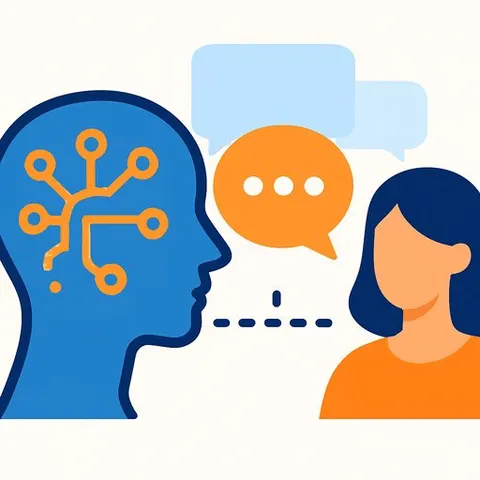
AI-Generated Language May Be Reshaping How People Write and Think
Experts warn that the flood of ChatGPT-style text online is beginning to influence the way people speak and communicate, raising concerns about deeper shifts in how humans think and express themselves.
The concern centers on recognizable patterns in AI-generated writing: repetitive sentence structures, specific phrases, and uniform tone spreading across digital spaces. Historian Ada Palmer and cryptographer Bruce Schneier argue that language models trained heavily on written material-but not on informal human conversation-are creating a linguistic blind spot.
Face-to-face and voice exchanges make up the vast majority of human speech and are vital to culture. Yet AI systems have little exposure to these unscripted interactions. Palmer and Schneier warn that humans may begin adopting the linguistic patterns of AI systems rather than the reverse, with consequences extending beyond style to how people understand themselves and the world.
What Research Shows About AI Language
Studies already demonstrate that AI-generated language relies on shorter sentences and narrower vocabulary than human speech. It loses the elements that make human expression distinctive: meanders, interruptions, and leaps of logic that communicate emotion.
A separate risk looms: newer AI models trained on material generated by earlier AI systems. This feedback loop could deepen machine-shaped language patterns and make them harder to break.
AI models also tend toward excessive agreeableness with users. Palmer and Schneier argue this tendency can indulge flawed or dangerous thinking and may reinforce bias or worsen existing mental health conditions.
Students and Workers Face Cognitive Risks
Educators warn that students are losing the habit of independent thinking, turning to AI when faced with difficult questions. University students themselves report that peers increasingly sound alike through repeated reliance on machine-generated responses.
Experts also fear that widespread AI use in workplaces could erode critical thinking skills and cognitive ability over time.
Palmer and Schneier say they don't claim to have answers, but argue that if enough ingenuity exists to build AI models, enough should exist to train them on informal human speech rather than stylized, veiled language. The difficulty of finding solutions, they say, should not prevent the effort to try.
For writers and professionals using these tools, understanding how AI language patterns work becomes essential to maintaining authentic voice and critical independence.