When AI learns the beat: Creatives confront what's next
Uganda's entertainment scene has ridden every wave-DVDs in downtown arcades to YouTube premieres, ringtone cash to TikTok challenges. Each shift shut one door and opened another. AI is the next shift. Not coming-here.
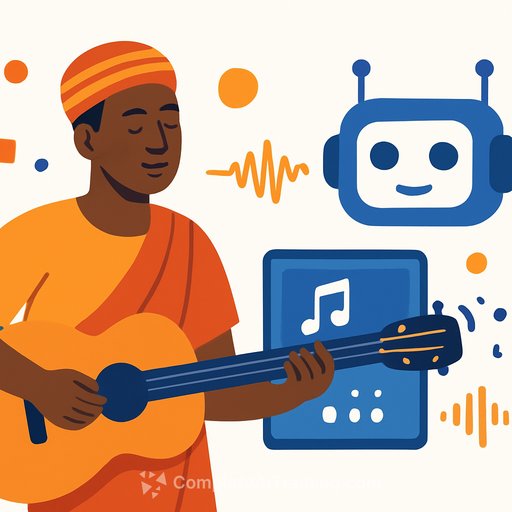
"Let's talk about AI in music videos," MC Kats said after seeing tracks flipped by machines-hip hop turned rock, rock turned Afrobeat. Director Sasha Vybz kept it blunt: "It's just prompts. You tell it what you want." The system doesn't feel. It finds patterns-vocal textures, genre cues, visual motifs-and predicts what comes next.
What this means for musicians, directors, and editors
- Genre flipping is trivial: Style transfer can reimagine a song in minutes. Great for demos. Dangerous for identity theft.
- Voices are data: With enough samples, a model can mimic tone, phrasing, even breath. Consent and contracts become non-negotiable.
- Visuals move faster: Text-to-boards, lookbooks, and quick previz reduce guesswork on set and in post.
- Budgets shift: Fewer pickups, more time crafting prompts and QC. Your edge is taste, not buttons.
The stakes: copyright, consent, credit
Our industry has long struggled to enforce rights. AI raises the stakes because copies scale faster than lawyers. If you create for a living, lock down three things: permission, provenance, and payment.
- Contracts: Add clauses for "no training without consent," synthetic vocal use, model/source disclosures, and an "AI usage fee." Require written approval for any likeness or vocal cloning.
- Registration + fingerprints: Register works and feed them into fingerprint systems. On platforms, learn how YouTube Content ID actually works-then plan releases around it.
- Provenance: Embed credits and usage notes in files. Consider open standards like C2PA for content credentials on visuals.
- Stems and splits: Keep masters safe. Export stems with correct ISRC/ISWC. Don't lose your metadata.
- Permission workflows: Use release forms for voices, faces, and samples-digital or live. No grey zones.
A practical AI workflow you can run this week
- Pre-pro: Generate moodboards, shot lists, and lighting plans. Lock tone and references early to avoid reshoots.
- Music ideation: Demo tempo/genre variations and lyric drafts, then record human takes for feel. If vocals are synthetic, disclose it.
- Video: Use AI for quick previz, cleanup, segmentation, and alt-cuts for reels/shorts. Final look still needs your eye.
- Legal checkpoint: Before upload, run a consent and license checklist: samples cleared, likeness approved, credits embedded.
- Distribution: Auto-generate captions, thumbnails, and short-form cutdowns. Test three hooks, ship the best one.
New roles, clearer pricing
As tools get smarter, credits get sharper. Consider adding these roles to your pitch and rate card.
- AI music editor: Builds safe demo packs (tempo/genre swaps), documents datasets.
- Prompt producer: Crafts prompts, negative prompts, and QA for look and tone.
- Voice safety lead: Manages consent, voice fingerprints, and watermarking.
- Data wrangler: Handles metadata, ISRC/ISWC, and delivery specs across platforms.
- Package add-ons to sell: "AI lookbook," "Alt-genre demo pack," "Synthetic BGVs (with approvals)," "Content credentials report," "Shorts bundle (9x16)."
Mindset: partner with the machine, keep your taste
AI expands options. It doesn't replace taste. Your job is direction-deciding what to keep, cut, or push further.
Build a style guide, reference library, and repeatable prompts. The tool predicts patterns. You set the pattern worth repeating.
Helpful resources
The bottom line
AI isn't here to feel your music. It's here to test your system. Tighten your rights, sharpen your workflow, and let your taste lead.
Your membership also unlocks: