
AI news ·
AI-mature retailers deliver 6.6x higher shareholder returns than peers, research finds
AI-mature retailers posted a 25.1% three-year shareholder return CAGR versus 3.8% for less advanced peers, per Accenture and AIDE research. Only 4 of the top 100 U.S. retailers have reached leading or pioneer AI status.
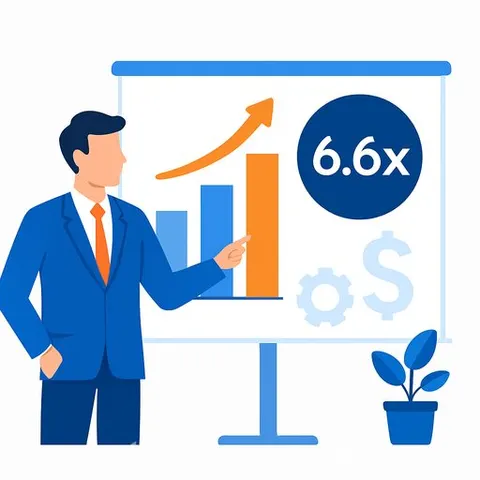
AI-Mature Retailers Post 6.6x Better Returns Than Peers
Retailers that have built stronger AI capabilities are outperforming competitors across financial metrics and operational efficiency, according to new research from Accenture and the AI-Driven Enterprise Institute (AIDE).
The most AI-mature retailers among the top 100 U.S. companies delivered a 25.1% three-year total shareholder return compound annual growth rate, compared with 3.8% for retailers in earlier AI stages. They also operated with gross margins 20.7 percentage points higher than less mature peers.
AIDE measured AI maturity using public signals - earnings transcripts, regulatory filings, hiring patterns, and patent data - rather than surveys. The framework evaluates companies across four dimensions: how much leaders understand AI, what they communicate about it, what the organization prioritizes, and what it actually builds.
The Maturity Gap
Of the top 100 U.S. retailers, 73 remain in early or developing stages of AI maturity. Only four have reached leading or pioneer status.
About one-third of executives at these retailers demonstrate meaningful AI literacy. The research identified a clear progression: leadership AI literacy comes first, followed by executive advocacy, strategic orientation, and implementation.
Where AI Creates Value
The advantage comes from embedding AI into core operations - planning, forecasting, sourcing, replenishment, fulfillment, pricing, promotion, and personalization. AI-mature retailers use it for routine decision-making, not just isolated projects.
E-commerce marketplaces lead in AI maturity across all dimensions. Discount and off-price retailers lag, which the research attributes to lower margins, limited data availability, and simpler operations.
Paul Cheek, CEO of AIDE, said retailers have moved past debating whether to invest in AI. "The bigger question now is whether they have the leadership, strategy, and operating model to turn AI into better decisions, stronger margins, and faster execution."
As competitive advantages compound through better data and refined models, the window for retailers to establish meaningful AI-driven differentiation is narrowing.
For executives building AI strategy, understanding these maturity dimensions is essential. AI for Executives & Strategy resources can help leaders assess where their organization stands and chart a path forward.