AI Medical Scribes Cut Documentation Time in Half, Freeing Physicians for Patient Care
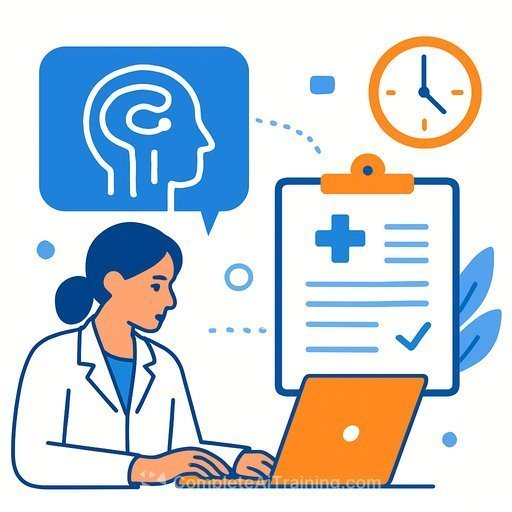
AI medical scribes are reducing the time physicians spend on paperwork by up to 50%, according to research studies. The technology converts spoken consultations into structured electronic health records automatically, allowing doctors to focus on patients rather than typing notes.
Healthcare institutions adopting this technology report improvements in documentation accuracy, patient satisfaction, and physician well-being. The shift addresses a persistent problem: administrative burden that pulls doctors away from clinical work.
How AI Scribes Handle Documentation
Speech-to-text technology forms the backbone of AI medical scribes. These systems understand natural language and medical terminology, converting patient encounters into detailed records in real time.
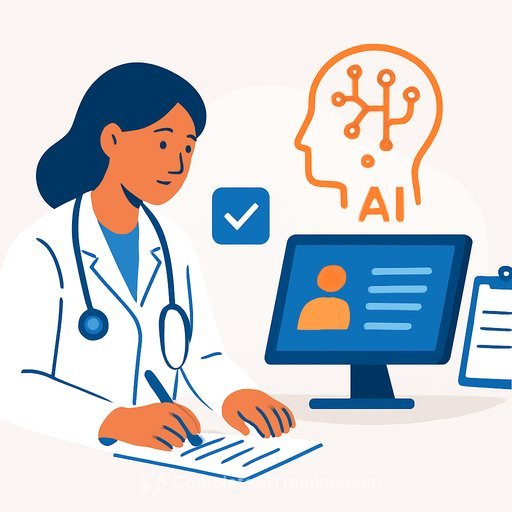
Manual data entry introduces errors that can affect treatment decisions. AI scribes minimize these mistakes by automating the transcription and sorting of medical information into patient records. The systems flag relevant details and organize them according to clinical standards.
Integration with existing EHR systems requires planning. Healthcare providers need to train staff on how to work alongside the technology to maximize accuracy and efficiency.
Patient Satisfaction Rises When Doctors Stop Typing
Patients report higher satisfaction when physicians maintain eye contact and engage fully during consultations. With documentation handled by AI, doctors can listen without the distraction of note-taking.
Research shows patient satisfaction correlates directly with the quality and duration of interaction with healthcare providers. The reduction in divided attention improves the doctor-patient relationship.
Physician Burnout Decreases
Physician burnout stems partly from clerical work that consumes time and mental energy. AI scribes remove this burden, allowing doctors to reclaim focus on clinical care.
Surveys show that less administrative stress correlates with improved job satisfaction. Better work-life balance for physicians translates to better care for patients.
Organizations implementing this technology should regularly assess its impact on physician workflows and gather feedback from medical staff to ensure the system meets their needs.
Accuracy Matters in Patient Records
Incorrect patient data can lead to adverse medical events. AI scribes use algorithms to analyze and organize information, ensuring only accurate and relevant details enter health records.
These systems understand medical context and terminology, reducing the misinterpretation that sometimes occurs with manual documentation. Healthcare organizations should verify that their AI scribes comply with medical guidelines and privacy regulations.
Learn more about AI for Healthcare and how these tools are changing clinical workflows.
Your membership also unlocks: