Stories to Watch in 2026: AI Creeping Into Education
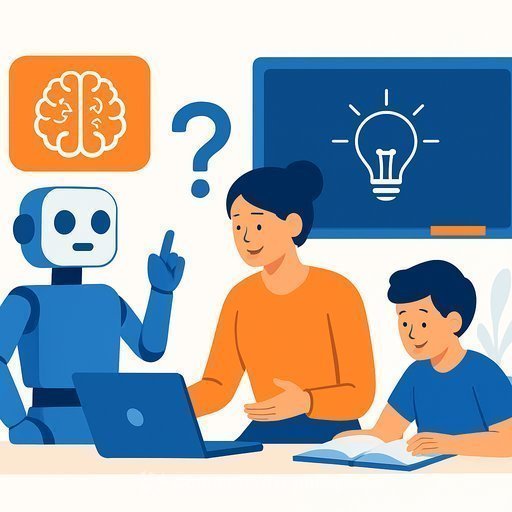
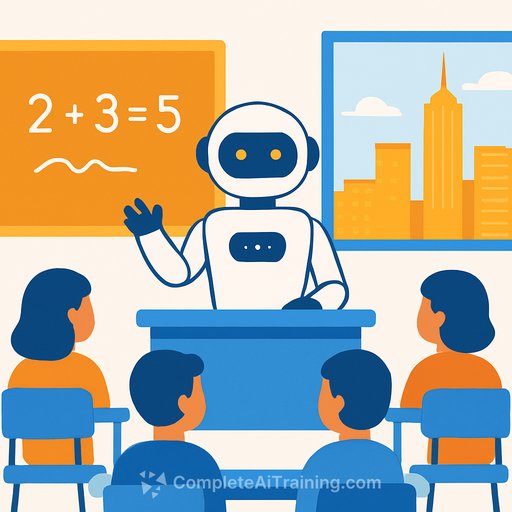
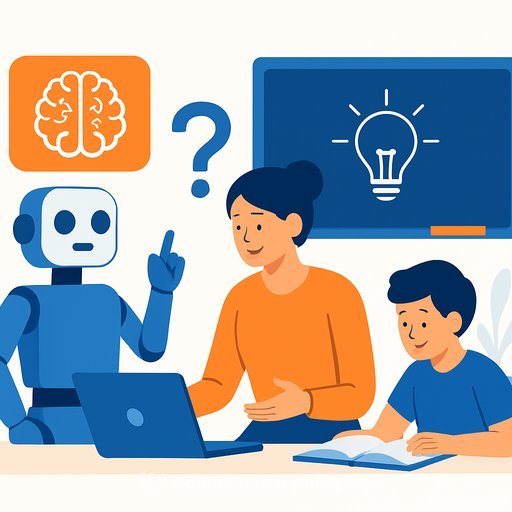
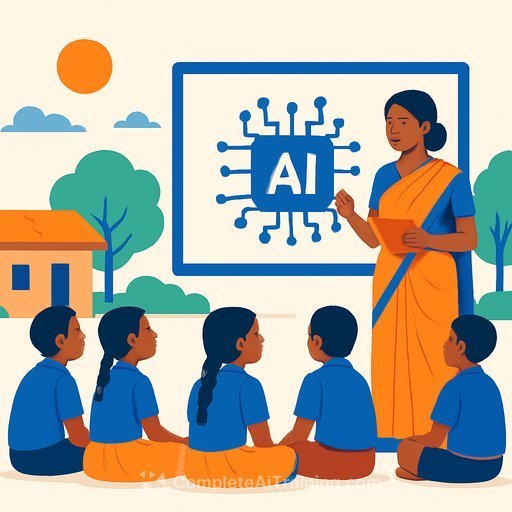
Artificial intelligence is moving into classrooms at every level. The tools are improving, the stakes are higher, and the debates around ethics, equity, and environmental impact are sticking around.
For educators, this is less about hype and more about readiness. Policies, training, and clear use cases will decide who benefits and who falls behind.
Why this matters for Tennessee educators
Colleges and universities across the state are updating AI policies and testing tools like ChatGPT in class. Many professors are using it as a teaching aid so students see both strengths and gaps straight from the source.
The message is consistent: build AI literacy. Students and faculty who refuse to learn the basics risk getting left behind in the job market and inside their own institutions.
K-12: curriculum and policy in motion
Researchers at Vanderbilt are studying how children interact with AI in school and urging earlier exposure. That means age-appropriate lessons that go beyond novelty and teach judgment, safety, and quality control; see the AI Learning Path for Primary School Teachers for guidance on developmentally appropriate content and activities.
State policy is moving too. The Teen Social Media and Internet Safety Act now requires middle and high school curriculum that includes evaluating AI-generated content, and a new bill from Rep. Andrew Farmer would require instruction on accessing, using, and evaluating AI tools across schools.
Assessment and admin use cases
AI for operations is on the table. During a K-12 innovations committee meeting, Rep. Scott Cepicky suggested using AI to speed up grading for TCAP, with a state audit to check accuracy and fairness.
If districts explore this path, expect a heavy focus on validity, human review protocols, and transparent error handling. You'll also need clear communication with families and staff.
State action plan: urgency and priorities
The Tennessee Artificial Intelligence Advisory Council released an action plan in November urging swift policy shifts. "AI is no longer theoretical; it is already transforming how government delivers services, how businesses operate, and how Tennesseans work and learn... Strategic investment today in the areas of data readiness, pilot projects, and AI literacy will pay dividends in productivity, cost savings, and citizen satisfaction for decades."
The plan puts higher education out front: scholarships, apprenticeships, and training through community colleges and Tennessee Colleges of Applied Technology. It encourages enabling federal funds for AI in education and calls for research through the University of Tennessee and Oak Ridge National Laboratory.
For K-12, the plan recommends age-appropriate AI curriculum with parental oversight, a statewide AI literacy framework, and increased literacy for students, teachers, and administrators.
What to do next: a practical checklist for schools and universities
- Set a clear acceptable-use policy for AI. Spell out what's allowed, what's off-limits, and how students should cite assistance.
- Build AI literacy by grade bands. Start with safety and judgment in elementary, sourcing and bias in middle, and productivity plus verification in high school.
- Pilot a small set of AI tools. Define the problem, pick metrics, run a short trial, and review results with teachers and families.
- Protect assessment integrity. Use AI-resistant tasks, require process evidence, and combine human review with any automated checks.
- Invest in professional learning. Give teachers hands-on time to test prompts, compare outputs, and plan AI-aware lessons.
- Strengthen data governance. Vet vendors for privacy, security, bias testing, and audit logs before approving tools.
- Engage parents early. Explain how AI is used, how work is monitored, and what students are expected to do on their own.
- Upgrade infrastructure. Ensure devices, bandwidth, and filters support classroom use without bottlenecks.
- Partner with higher ed and industry. Tap into research, apprenticeships, and real-world projects that build employable skills.
- Seek funding. Track federal and state opportunities tied to AI literacy, workforce development, and research partnerships.
Higher ed: classroom protocols and skills
If you allow AI in coursework, be explicit. Define permitted use cases, ask students to disclose where AI helped, and require them to verify facts and cite sources.
Use assignments that surface thinking, not just outputs. Ask for drafts, screenshots of steps, or oral defenses. Teach prompt strategies, critique of AI responses, and ways to check accuracy.
What this means for 2026
AI is creeping in through policy, classroom practice, and back-office operations. The winners this year will set guardrails, build literacy, and run small, smart pilots.
Move quick, but with intention. Keep teachers in the loop, involve parents, and measure what matters.
Helpful links
- Tennessee's TCAP/TNReady overview
- Oak Ridge National Laboratory
- Complete AI Training: Courses by job
Your membership also unlocks: