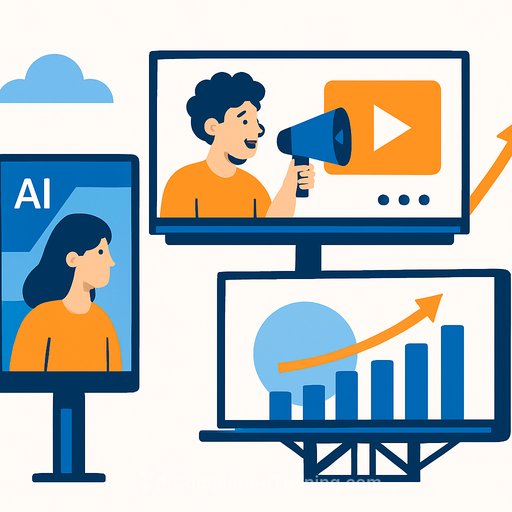
Digital signage in 2026: AI personalization arrives, creative renaissance kicks off
2025 seeded big shifts: immersive screens, smarter networks, and AI at the edges. In 2026, that groundwork turns practical. Screens act more like products than posters. Creative teams get their time back. And out-of-home finally earns a bigger, permanent spot in the media plan.
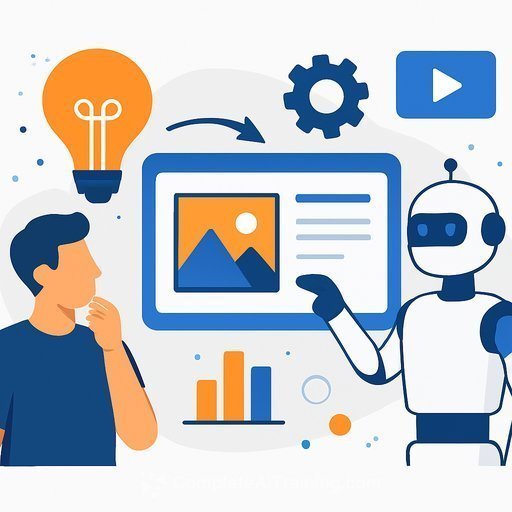
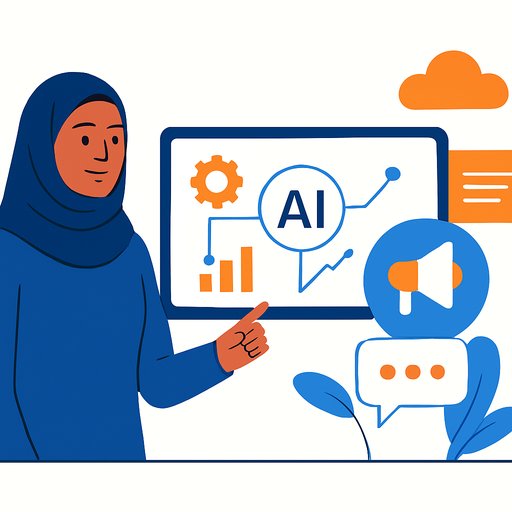
AI turns screens into self-optimizing canvases
Expect AI-driven personalization to move from pitch deck to deployment. Industry leaders anticipate screens that adapt content with sensor inputs, improve uptime with analytics, and stay connected even where Wi-Fi falls short.
For creatives, this means concepting with variables, not just files. The ad is a living system fed by time of day, weather, dwell time, and movement patterns.
- Write copy in modular lines that can swap based on context (morning vs. evening, sun vs. rain).
- Design art in layers: foreground message, background texture, dynamic slot for data or price.
- Prepare fallback states for offline moments so the visual still works without live data.
- Use signal maps: list which triggers affect which visual and why. Keep it simple and repeatable.
Creative gets its energy back
After a decade of "programmatic and data-driven," the creative side often felt squeezed. This year, AI takes over the busywork-planning, trafficking, resizing, dynamic rules-so the best ideas get more oxygen.
Context modeling gets real. Teams will be able to test how a concept reads in a rainy commute versus a sunny weekend, or to pedestrians versus drivers, before a single impression runs.
- Build a context board: two to three frames for each key scenario (AM drive, lunch walk, PM drive, rainy rush, weekend leisure).
- Craft one core concept, then three contextual twists. Keep typography, palette, and motion language consistent.
- Set automation guardrails: approved color ranges, min/max motion speed, safe zones for text.
- Measure recall and clarity at three distances: glance (1 sec), skim (3 sec), and pause (5 sec).
OOH clears the 5% line in media budgets
Expect out-of-home to cross 5% share and hold-or rise. Better attribution, retail media tie-ins, programmatic DOOH, and creative optimization make budgets stick. Once teams see performance, OOH stops being the "surprise win" and becomes a reliable anchor.
- Pair OOH with search and social: sync keywords, headlines, and offers so lift is traceable.
- Add low-friction actions: QR with short slugs, vanity URLs, or tap-to-save where possible.
- Use multi-touch attribution partners that can separate proximity effects from true lift.
- Report like streaming: reach, frequency, completion proxy (dwell), and downstream outcomes.
IAB's DOOH Buyer's Guide and OAAA resources are solid starting points for standards, measurement, and planning frameworks.
Creators step onto the big screen
Creators have spent years inside a five-inch box. DOOH is the stage that adds cultural weight-campus screens, arena takeovers, Times Square slots. Context does heavy lifting here: the same creative reads differently on a Monday morning than a Saturday afternoon, and that's a feature, not a bug.
There's also a new twist: AI agents start influencing choices. Street-level screens become the human moment-where a person sees, feels, and decides. Design for both: the recommendation layer and the emotional beat in front of the screen.
- Message architecture: primary idea (3-5 words), proof or cue (icon/price/date), action (QR or short URL).
- High-contrast color and fat type. No fragile hairlines. Motion with purpose, under 12 seconds.
- Context triggers: weather, time block, event calendar, local wins (team victory, concert night).
- Proof-of-presence: film the live placement and repurpose to social for momentum and social proof.
The 2026 checklist for creative teams
- Briefs that include signals: time, weather, location type, movement (walk/drive), dwell range.
- Creative built as a system: modular copy, layered art, dynamic slots, clear fallbacks.
- Previz in real contexts: sunlight glare, night contrast, rain reflections, motion blur.
- Accessibility: big type, high contrast, short read times, alt paths for colorblind viewers.
- Attribution plan: match-market tests, holdout zones, post-exposure surveys, coupon codes.
- Privacy first: aggregate sensors, avoid personal data, keep consent and disclosures tight.
Skills to sharpen
- Dynamic design systems and variable copywriting.
- Context modeling and daypart storytelling.
- Basic data logic: if/then rules, fallback states, and QA checklists.
- Creative analytics: read dashboards, spot fatigue, iterate fast.
If you're leveling up your AI workflow for concepting, planning, or automation, explore practical courses and toolkits here: Latest AI courses and Prompt Engineering.
Bottom line
AI makes screens smarter and frees creatives to do their best work. OOH grows up (and grows share) as measurement gets better. Creators step on bigger stages. The teams that design for context, build modular systems, and report like performance marketers will win the year.
Your membership also unlocks: