AI in UK Insurance: From pilots to practical gains
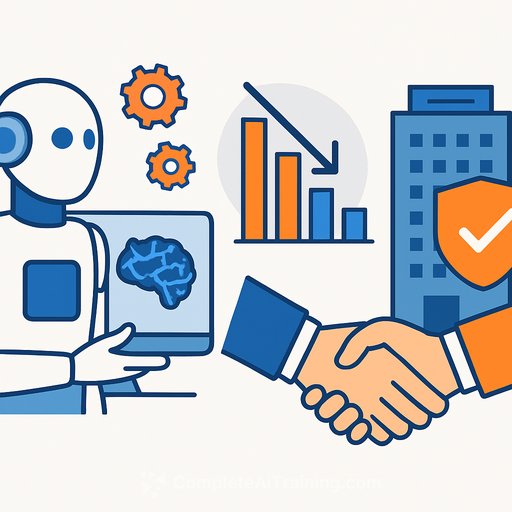
The industry is edging into an AI-driven shift. Budgets are rising fast, with US carriers expected to more than double AI spend in three to five years, and UK insurers moving in the same direction.
The signal is clear: trust, talent and targeted use cases will decide who gets value first. This isn't hype. It's execution.
The UK "twin track" in practice
- Focus areas: co-pilots for agents, advanced search and summarisation, prescriptive analytics and content generation that supports human decisions.
- Caution zones: fully automated, end-to-end decisioning where accuracy, explainability and customer fairness carry greater regulatory and reputational risk.
- Why it differs from the US: a stronger regulatory emphasis and higher risk sensitivity push UK firms to be selective about where to automate.
What each segment is prioritising
- Personal Lines: FCA Pricing Practices, Consumer Duty, claims inflation and digital-first expectations. Near-term wins: digital claims automation, straight-through processes with human-in-the-loop, and cross/upsell prompts for agents.
- Commercial & Specialty: complex risk, operational resilience and digital broker/SME platforms. Near-term wins: quote-to-bind efficiency, advanced risk analytics, and smart claims for complex events.
- Protection, Retirement & Savings: ageing demographics and outcome-focused regulation. Near-term wins: data-driven engagement and retention, Customer Duty monitoring, and faster suitability reviews.
- Reinsurance: more CAT events and capital adequacy pressure. Near-term wins: portfolio risk analytics, faster event response and better treaty performance insights.
- Brokers & Distribution: digital distribution and demand for insights. Near-term wins: digital quote-and-bind, real-time data exchange with carriers/MGAs, and producer co-pilots.
Regulatory anchors such as the FCA's Consumer Duty add urgency to explainability and fair outcomes. See: FCA Consumer Duty. Operational resilience guidance is also front and center: BoE/PRA Operational Resilience.
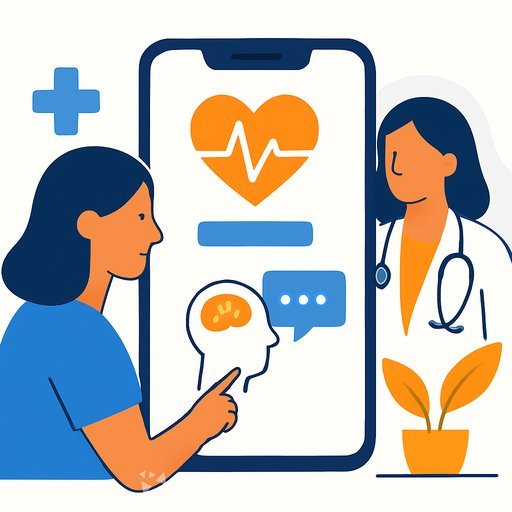
AI as a human amplifier: "AI-powered empathy"
The story that "AI replaces jobs" misses the point. It removes drudgery-document review, data entry, first notice setup, triage-so people can focus on judgment, empathy and higher-value work.
Good systems present options, evidence and next-best actions while keeping humans in control. Underwriters and adjusters move closer to true advisors: the machine handles the grunt work; the human handles context, relationship and final decisions.
Build trust by design
- Model validation and performance monitoring tied to business KPIs (loss ratio, quote-to-bind speed, leakage, FNOL-to-settlement time).
- Bias testing and fairness thresholds aligned to Consumer Duty; document decisions and rationale.
- Explainability for any customer-impacting model; clear agent-facing summaries.
- Human-in-the-loop for high-impact decisions; escalation paths for edge cases.
- Data governance: lineage, consent, PII controls and retention policies.
- Model risk management: versioning, audit trails and stress tests on shifting market conditions.
The skills gap: fix it before budgets surge
AI's share of IT spend is set to climb from roughly 8% to about 20% in the next three to five years. The blocker in the UK isn't interest-it's application in real work.
Every function needs practical skills: prompt writing for agents and claims handlers, data literacy for product owners, model risk basics for governance teams and process automation for operations.
- Core skills: prompt engineering, data quality, feature thinking, evaluation design, responsible AI, change management.
- Role blends: underwriting + analytics, claims + automation, actuarial + MLOps literacy, broker + digital distribution.
If you're building an internal curriculum, start with targeted, short-form learning tied to live use cases. For structured options, see curated training by job function here: Complete AI Training - Courses by Job and a shortlist of recognized programs: Popular AI Certifications.
A practical 90-day plan
- Days 0-30: pick two "assistive" use cases (e.g., claims intake co-pilot, broker email summarisation). Stand up data access with guardrails. Define success metrics and fairness checks.
- Days 31-60: pilot with 20-50 users. Measure handle time, accuracy, override rates and customer outcomes. Add human review for anything customer-impacting.
- Days 61-90: expand to a second segment (e.g., commercial underwriting triage). Launch a bite-size training series for frontline teams. Formalise model monitoring and incident response.
Metrics that matter
- Loss ratio impact and expense ratio trends by product.
- Quote-to-bind speed and submission quality.
- FNOL-to-settlement time, severity accuracy and leakage.
- Straight-through rates with fairness thresholds and audit exceptions.
- CSAT/NPS, complaint rates and outcome testing under Consumer Duty.
- User adoption, override rates and productivity per FTE.
The decision point
AI budgets are rising. Winners will be the carriers and brokers that deploy assistive tools fast, keep humans in charge of the hard calls and build trust into every model.
Invest in "AI-powered empathy," upskill your teams and pick use cases that reduce friction for customers and staff. The firms that do this now will set the standard for service, speed and fairness across the UK insurance market.
Your membership also unlocks: