AI Predicts Regurgitant Valvular Heart Diseases from ECGs
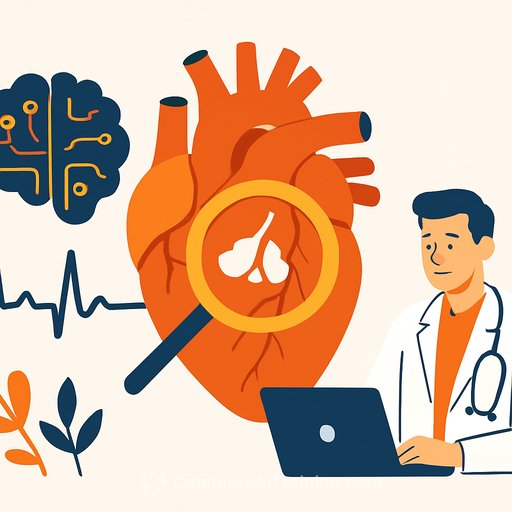
An AI algorithm has demonstrated the ability to predict significant heart valve problems years before symptoms appear, relying solely on electrocardiogram (ECG) readings. Published in The European Heart Journal, this study reveals how AI can detect early structural changes in the heart by analyzing subtle electrical activity patterns that are invisible to the naked eye.
Heart valves—mitral, tricuspid, and aortic—ensure blood flows correctly through the heart’s chambers. When these valves leak, a condition known as regurgitant valvular heart disease develops, leading to complications like heart failure. The AI system can forecast the likelihood of developing these leaks with 69-79% accuracy, identifying high-risk patients up to a decade before the disease manifests clinically or is visible on ultrasound scans.
Transforming Early Diagnosis and Care
Currently, early detection of valve disease is challenging because symptoms such as shortness of breath, dizziness, fatigue, and palpitations often overlap with other conditions or appear only after significant heart damage has occurred. This AI-driven approach offers a non-invasive, cost-effective screening tool that could be integrated into routine care using a simple ECG.
Patients flagged as high-risk by the AI were found to be up to ten times more likely to develop valve disease than those deemed low-risk. This stratification could enable healthcare professionals to prioritize further testing and early intervention, potentially improving outcomes and reducing hospital admissions.
Details of the Study
The research involved an international collaboration between teams at Imperial College London, Imperial College Healthcare NHS Trust, and Shanghai’s Zhongshan Hospital. Nearly one million ECG and echocardiogram records from over 400,000 patients in China were used to train the AI models. The technology was then validated on a separate cohort of more than 34,000 patients in the United States, confirming its applicability across diverse populations and healthcare environments.
Early valve disease causes subtle changes in the heart’s electrical signals that are undetectable by clinicians but identifiable by AI. Detecting these patterns before symptoms emerge could shift the clinical focus from reactive to proactive care.
The project builds on previous AI models developed to estimate disease risk from ECGs, including tools for predicting female heart disease risk, early mortality, hypertension, and type 2 diabetes. NHS trials of this AI risk estimation model are planned for late 2025, aiming to assess its real-world impact in hospitals affiliated with Imperial College Healthcare NHS Trust.
Implications for Healthcare Professionals
This AI tool offers a promising approach to enhancing the early diagnosis of valvular heart disease using widely available ECG data. For healthcare providers, it means better risk assessment and timely referrals for imaging or specialist care without relying solely on symptom presentation.
- Improved patient stratification for targeted follow-up
- Potential reduction of costly and time-consuming imaging for low-risk patients
- Earlier therapeutic interventions to prevent disease progression
Given the prevalence of valvular heart diseases—estimated at 41 million globally with 1.5 million cases in the UK alone—this approach could have a substantial impact on managing cardiac health. Early identification and intervention are key to preventing heart failure and reducing mortality.
Research Support and Funding
The study received funding from the British Heart Foundation and support from the NIHR Imperial Biomedical Research Centre. This collaboration highlights the value of large-scale data sharing and international partnerships in developing AI tools that work across healthcare systems.
Healthcare professionals interested in AI applications for cardiovascular care may find relevant training and courses at Complete AI Training, which offers resources on medical AI technologies and their clinical integration.
Your membership also unlocks: