AI Tools for Reading Instruction May Soon Be Common in Schools-With Caveats
Experts predict AI will become a standard tool for teaching reading in schools. The technology could personalize instruction and identify struggling readers faster than traditional methods.
The forecast comes with a significant warning: schools that rely too heavily on AI for reading instruction risk undermining student progress.
The Promise and the Problem
AI systems can analyze how a child reads, flag specific difficulties, and adjust lessons in real time. This kind of personalization appeals to educators managing classrooms with wide ranges of reading ability.
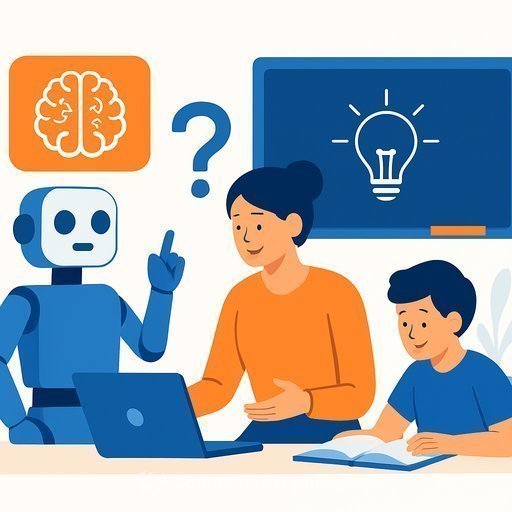
But experts caution that reading instruction requires human judgment that algorithms cannot replicate. A teacher's ability to motivate a struggling reader, model fluency, and build confidence matters as much as identifying gaps.
Schools considering AI reading tools should treat them as supplements to classroom instruction, not replacements for teacher expertise.
What Educators Should Know
If you work in education, understanding AI's actual capabilities-and limits-in reading instruction is essential. AI for Education resources can help you evaluate tools critically before adoption.
Consider whether a tool measures what matters: Does it track comprehension and fluency, or just completion rates? Does it provide actionable data teachers can use, or just dashboards?
For practical guidance on implementing AI effectively in your classroom, the AI Learning Path for Teachers covers evaluation frameworks and best practices.
The Bottom Line
AI will likely become more common in schools. The question is not whether to use it, but how to use it responsibly-as a tool that enhances what teachers do, not as a substitute for the human work of teaching children to read.
Your membership also unlocks: