AI Can Read the Data. PR Reads the Room
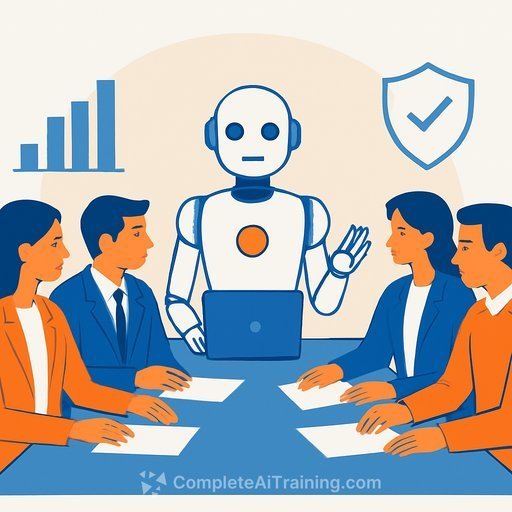
Artificial Intelligence is already part of PR work. It scans mentions, surfaces patterns, and flags risk faster than any team ever could. Useful? Absolutely. But it doesn't replace judgment, context, or story.
This isn't a research debate. It's the practical side of PR: what to use AI for, where to draw the line, and how to keep reputation rooted in human insight.
What AI is built for
Speed, scale, and pattern recognition. Media monitoring, sentiment trends, anomalies, and early warning signals across thousands of conversations. That's where it wins.
It tells you what's happening and how it's moving. It won't tell you what it means to your stakeholders right now.
What PR brings to the table
Context, emotional intelligence, ethics, and story. Reading the room-tension, timing, and subtext-lives with people, not models.
PR turns signals into judgment calls: Who needs to hear from us? What tone lands? What do we say-and what do we not say-today?
The risk of letting data drive without interpretation
- Amplifying a non-issue into a crisis
- Reacting too quickly or worse, incorrectly
- Delivering tone-deaf messaging that damages trust
A simple PR + AI workflow that works
- Listen: Use AI to monitor media, social, search, and stakeholder chatter. Tag by issue, sentiment, and audience.
- Frame: Ask, "Why is this happening?" Map it to business priorities, policy, and culture.
- Pressure-test: Run scenarios. What happens if we speak now, later, or not at all?
- Draft: Let AI propose outlines or options. You set the narrative, tone, and boundaries.
- Human check: Validate facts, intent, and cultural nuance. Remove weak or risky lines.
- Measure and learn: Track engagement, trust signals, and message pull-through. Feed only quality learnings back into prompts.
Guardrails that protect reputation
- Source quality first: Prioritize verified data. Avoid training AI on bad inputs.
- Bias and privacy: Audit prompts and outputs. Strip personal data where you can.
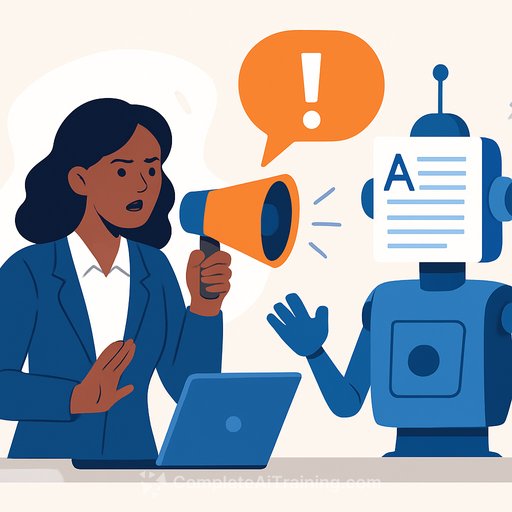
- Human-in-the-loop: No fully automated publishing for sensitive topics-ever.
- Crisis rules: Predefine triggers, escalation paths, and approvals.
- Ethics: Anchor decisions in your code of conduct and local laws. For reference, see the PRSA Code of Ethics.
Old playbook vs. new playbook
- Old: Media lists and reactive statements.
- New: Data-informed judgment, proactive reputation management, and narrative consistency.
Metrics that actually matter
- Trust and credibility (stakeholder sentiment over time)
- Message pull-through and narrative consistency
- Issue resolution speed and quality of response
- Engagement quality, not just volume
Use AI, but think independently
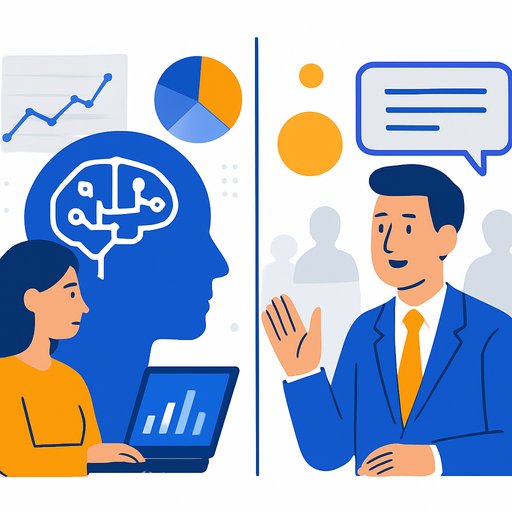
Let the model read the data. You read the room. Use its speed to inform your timing, not your judgment.
The professionals who win will blend machine patterns with human sense-calm, contextual, and credible.
Next step for PR teams
If you want structured, practical training on applying AI across media outreach, crisis work, and brand storytelling, explore the AI Learning Path for Public Relations Specialists.
AI won't replace PR professionals. Ignoring it will cost you. Reputation isn't artificial-it's human.
Your membership also unlocks: