
AI news ·
AI reshapes game development and player experience, says Globant official
AI is changing how games are built and played, letting NPCs react in real time and storylines shift based on player choices. The risk: flooding games with shallow, generated content that players notice and disengage from.
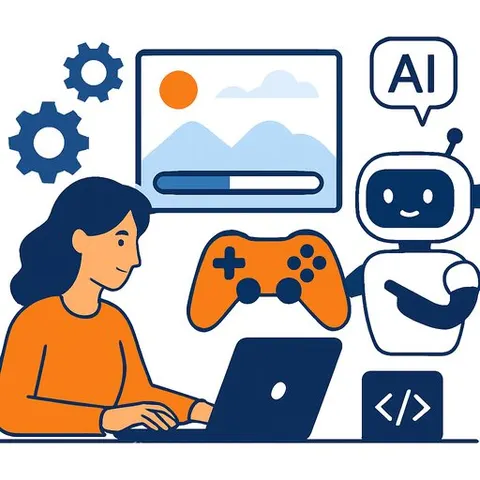
AI reshapes how games are built and played, raising questions about authenticity
Artificial intelligence is changing game development in ways that go beyond better graphics or faster processors. AI enables non-playable characters to respond to player behavior in real time, storylines to evolve dynamically, and worlds to expand based on individual choices. For developers, this means a fundamental shift in how games are built and experienced.
The change differs from previous gaming advances. Better graphics cards and consoles improved visuals incrementally. AI restructures the actual mechanics of development and play.
How AI changes the development process
On the development side, AI handles routine coding and asset creation, freeing teams to focus on narrative, mechanics, and artistry. Players get personalized experiences tailored to their skill level and play style.
Generative AI enables dynamic dialogue, quests, and storylines that unfold in real time. A character can reference something a player said hours earlier. A small choice can shift the story in unexpected directions.
But speed creates a problem. Developers risk flooding games with filler content that feels shallow or repetitive. Players notice when missions are computer-generated rather than handcrafted.
Games are art and storytelling. If AI shortcuts replace creative labor, developers lose the emotional depth that makes games memorable. The moment a player realizes content is generated, engagement drops.
Three strategies for using AI effectively
Design for surprise and delight. Neuroscience shows that unexpected moments stick in memory. AI can create countless variations of surprise tailored to each player's style and choices, rather than scripting the same moments for everyone. A casual player and a completionist encounter different experiences that feel personal. When a game shows players the impact of their decisions, they feel recognized.
Treat accessibility as creative opportunity. More than 400 million gamers worldwide have disabilities. Adaptive difficulty and AI assistants help players of different abilities experience the full depth of a game without sacrificing achievement. This isn't about lowering standards-it's about broadening who plays. AI design that includes accessibility from the start builds larger, more engaged communities.
Automate routine work, elevate creative work. AI can generate foliage, rocks, and procedural landscapes. This frees designers to focus on protagonist expressions, climactic scenes, and narrative pacing-the details that define a game. The key is identifying which tasks are safe to automate without diminishing quality.
The core tension
AI offers efficiency and personalization. It also risks cheapening games if used as a shortcut rather than a tool. The industry's challenge is ensuring AI deepens artistry instead of replacing it.
When developers use AI wisely, it expands what's possible. Games become richer, more authentic, and more accessible to more players.