AI is rewriting the crisis comms playbook
Crisis communications has operated on stable assumptions for decades. AI is upending those assumptions, forcing PR professionals to rethink how they prepare for, respond to, and manage reputational threats.
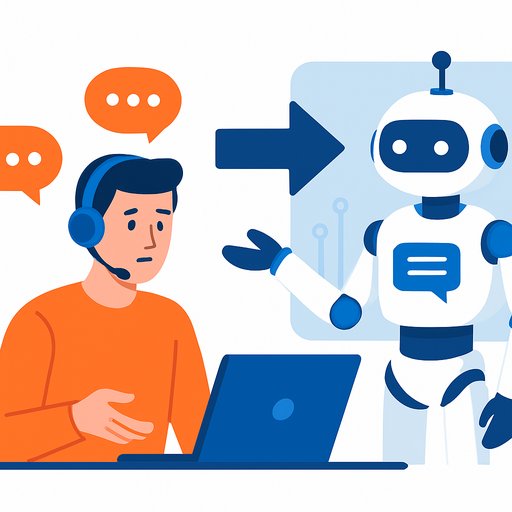
The shift centers on speed and scale. Traditional crisis response relied on human judgment, media monitoring, and carefully staged messaging. AI now identifies emerging threats faster than humans can, generates response options in minutes, and predicts how different audiences will react to various statements.
This creates a practical problem: PR teams must decide whether to move at machine speed or maintain human oversight. Moving too fast risks mistakes. Moving too slowly means competitors and critics set the narrative first.
What's changing in practice
AI tools now monitor social media, news outlets, and forums continuously, flagging potential crises before they spread widely. Some systems analyze sentiment shifts to predict which issues will escalate into full crises.
Response drafting has accelerated. Rather than spending hours workshopping language, teams can generate multiple statement options instantly, then edit and refine them. This works well for routine issues but raises questions about tone and authenticity when stakes are high.
Scenario planning has become more granular. AI can model how different stakeholder groups-employees, customers, regulators, media-will likely respond to specific messages. This helps teams anticipate pushback before going public.
The human element remains critical
Judgment calls still require humans. Deciding whether to acknowledge a problem, apologize, or defend a position depends on context, company values, and legal exposure. No AI system should make that call alone.
Media relationships matter more, not less. When a crisis hits, journalists still call PR contacts they trust. Building those relationships takes years and can't be automated.
Authenticity is harder to fake at scale. Audiences detect when responses feel generated rather than genuine. Teams that use AI as a tool while maintaining a human voice tend to perform better than those chasing speed.
Skills PR professionals need now
Understanding what AI can and can't do is essential. Knowing which tools work for which scenarios prevents misuse. Prompt engineering-asking AI the right questions to get useful outputs-is becoming a baseline skill.
Critical evaluation of AI outputs matters. Generated text requires human editing. Predictions need context. Raw data needs interpretation.
Strategy still comes first. AI executes faster, but it doesn't replace the thinking about what you're trying to accomplish or why.
For PR professionals looking to build these skills, AI for PR & Communications offers focused training on practical applications. For specialists seeking deeper expertise, the AI Learning Path for Public Relations Specialists covers tools and strategies specific to brand communication and crisis management.
The crisis comms playbook isn't disappearing. It's expanding to include new tools and new risks. Teams that learn to use those tools while protecting what made crisis communications work before will have the advantage.
Your membership also unlocks: