AI Search Is Redirecting Brand Discovery Away From Company Websites
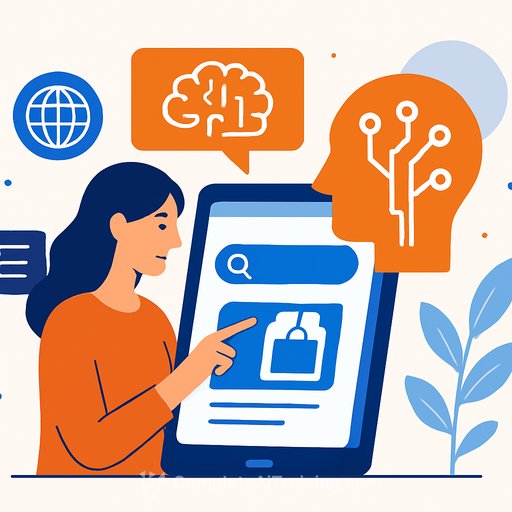
Between 40% and 55% of consumers now use AI tools like ChatGPT and Gemini to research products before making purchase decisions, according to McKinsey's "New Front Door to the Internet" report. This shift is fundamentally changing how brands gain visibility online.
The change works like this: consumers ask AI tools to compare products and narrow their choices before ever visiting a company website. When those answers appear, they rarely come directly from the brand itself. Instead, AI systems pull recommendations from publisher reviews, creator content, affiliate platforms, and expert commentary.
Brand-owned content now accounts for only 5% to 10% of the sources AI systems draw upon when generating responses. That means a company's website, blog, and SEO strategy alone won't cut it anymore.
Why Owned Channels Aren't Enough
For years, marketing strategies centered on channels companies fully control: websites, landing pages, blogs, and SEO content. Those channels still matter, but relying on them solely has become risky.
AI systems look for credibility signals across the wider web. When a brand exists mostly on its own platforms, those systems struggle to pick up the trust indicators that influence consumer decisions. Brands dependent solely on owned channels face declining discoverability and reduced influence in the purchase process.
The wider online conversation about a brand now matters just as much as the content the brand produces.
The Numbers Point to Major Traffic Shifts
McKinsey estimates that around 50% of Google searches now include AI-generated summaries, a number that could reach 75% by 2028. The same research predicts brands may see 20% to 50% declines in traditional search traffic.
AI-driven discovery could influence as much as $750 billion in consumer spending by 2028. Meanwhile, 71% of companies now regularly use generative AI in at least one business function, up from 65% in early 2024.
Marketers Need a Wider Media Mix
As discovery spreads across more platforms and voices, marketing strategies must evolve. Brands increasingly need to work with publishers, creators, affiliate partners, and online communities that influence how people talk about and evaluate companies beyond their own websites.
The goal is no longer just visibility. It's making sure credible voices across the internet discuss and reinforce a brand's reputation. Media strategies must expand into partnerships, PR, community platforms, and trusted external content ecosystems.
- Distribute presence across a broader ecosystem beyond owned channels
- Build partnerships with publishers and creators
- Reinforce external authority signals
- Redesign measurement models for AI-driven discovery
Attribution Models Need to Change
As brands expand across third-party ecosystems, understanding what actually drives results becomes harder. Traditional attribution models focus on direct clicks or final conversions. They struggle to capture the earlier stages of influence that occur during research, particularly when AI-generated answers guide consumer exploration.
Cross-channel attribution becomes essential to measure influence beyond direct response and last-click pathways. Performance teams need measurement frameworks that track influence across channels rather than focusing only on the final interaction.
The Transition Is Already Underway
This isn't a future scenario. Around 50% of consumers already intentionally use AI tools to research products and services. The convergence between consumer adoption and corporate adoption means performance now needs to be measured across touchpoints, not just individual channels.
Brands that want to remain visible will need to distribute their presence across a broader ecosystem. That presence must extend beyond owned channels into the places where people form opinions and validate brands before making a decision. Otherwise, companies risk losing credibility within the networks AI platforms rely on to generate answers.
For more on adapting marketing strategies to AI, explore AI for Marketing or consider the AI Learning Path for Marketing Managers to understand how to build visibility across AI search platforms.
Your membership also unlocks: