
AI news ·
AI shifts travel discovery earlier, pushing hotels and DMOs to compete before booking platforms are reached
Travelers now use AI to build destination shortlists before they ever open a booking site. Hotels and DMOs that don't appear in those early recommendations may never be considered.
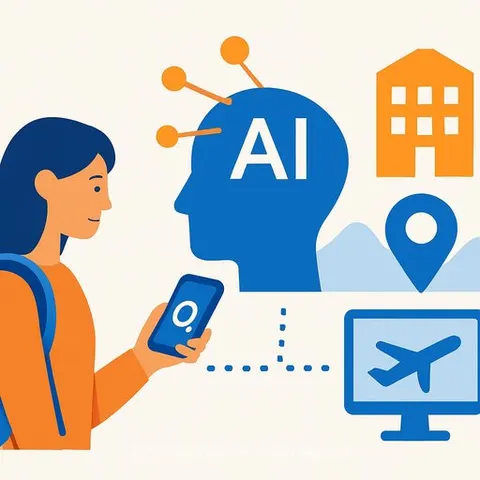
AI is changing when travelers decide where to go-and hotels must adapt
Travel discovery no longer starts at a booking site. It starts with a question, and increasingly, that question gets answered by AI tools before a traveler ever considers a hotel or destination management organization.
The shift is forcing hotels and DMOs to compete much earlier in the decision-making process. Travelers now form preferences and create shortlists long before they land on a booking platform. If a property or destination doesn't appear in those early AI-generated recommendations, it may never be considered.
How travelers search has fundamentally changed
The old search process was simple: type "hotels in Barcelona" and browse results. Today's discovery works differently.
Travelers increasingly search for outcomes or feelings rather than destinations. Someone might look for a place to reset and relax, find a culturally immersive experience, or secure a work-from-anywhere stay that balances productivity with flexibility. AI tools help them express these intentions in natural language, turning vague desires into actionable recommendations in seconds.
This speed matters. What used to require hours of research now happens in minutes. The moment when a traveler can be influenced has moved earlier in their decision journey.
Destination management organizations now shape demand
DMOs traditionally focused on awareness and promotion. Their role is expanding into something more strategic: shaping how destinations are discovered and how demand gets distributed across regions and seasons.
DMOs can now:
- Define the stories around what travelers want today
- Surface lesser-known experiences and locations
- Balance visitor traffic across different areas and times
- Provide the content and structured data that powers AI recommendations
As AI systems pull from multiple data sources to make suggestions, high-quality destination information becomes essential. DMOs that maintain rich, structured, and current content influence how their destination appears in recommendations-and ultimately, how it's perceived.
Relevance now matters more than visibility
Being listed is no longer enough. In an AI-driven market, relevance determines whether a destination gets considered.
A traveler seeking calm and restoration responds to messaging about wellness, simplicity, and space. Another seeking connection and discovery wants to hear about local experiences and cultural immersion. The same property can meet both needs, but only if it communicates its value in ways that match each traveler's intent.
This requires moving beyond feature lists to storytelling that is dynamic and contextual. Hotels and destinations must align their content, messaging, and availability with what travelers actually seek in the moment.
Competing before the booking phase
By the time a traveler reaches a booking platform, most of the decision has already been made. Capturing demand now means engaging earlier-through AI-generated recommendations, destination-level storytelling, and content that reflects intent rather than just product attributes.
Success requires collaboration. Hotels, DMOs, and technology partners must work together to ensure data is accurate and accessible, and content is easy to find and relevant to how travelers search today.
Those that succeed will attract not just more attention, but the right attention.
What competitive advantage looks like now
Location, price, and amenities still matter. But competitive advantage increasingly depends on three factors: how easily a traveler finds you, how clearly you communicate your value, and how effectively you align with what travelers actually want.
In a world where AI helps travelers navigate infinite options, being chosen depends on being both visible and meaningful.
For hospitality managers, this means rethinking content strategy and how your property or destination appears across the platforms travelers use first. Learn more about AI for Marketing or explore an AI Learning Path for Marketing Managers to understand how to position your organization in this evolving discovery environment.