Boards are rewriting what they expect from CMOs
Marketing leaders face a fundamentally different job description than they did five years ago. Boards and CEOs no longer want CMOs who execute campaigns well. They want leaders who bridge organizational silos, make decisions in real time, and translate business strategy across platforms and channels.
AI has accelerated this shift. The tools themselves-copy generation, performance forecasting, personalization automation-are straightforward. The real change is structural. More than 80% of CMOs now report direct ownership of digital customer experience and communications. Boards expect them to lead transformational change, not incremental improvements.
What's actually required now
Understanding how machine learning models affect brand equity, customer trust, data governance, and growth has become essential. CMOs don't need to build these models themselves. They do need to understand how they work and what they cost.
The next generation of CMOs will be defined by how well they lead amid complexity, not by how much they can personally execute. That distinction matters. It means the role demands different skills: technical literacy, operational clarity, and the ability to integrate innovation with business results.
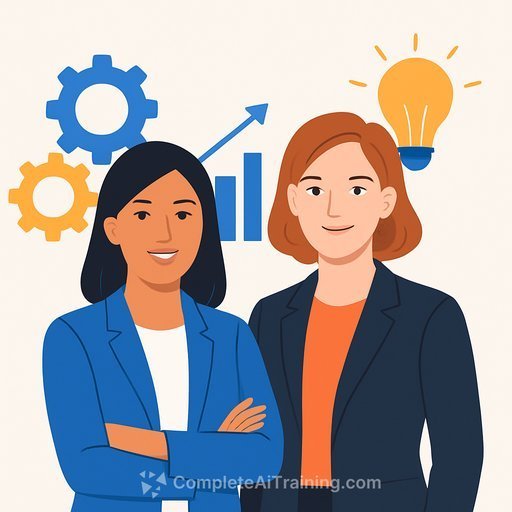
For leaders who have built influence in matrixed environments-particularly women executives-this moment creates a specific advantage. The skills that work across silos transfer directly to this new version of the CMO role.
For CMOs looking to understand where the role is heading, an AI learning path built for CMOs covers the technical and strategic foundations boards now expect. AI for marketing resources also address how to evaluate and deploy these tools across teams.
Your membership also unlocks: