AI Helps the Creative Process, Not Replace Creators
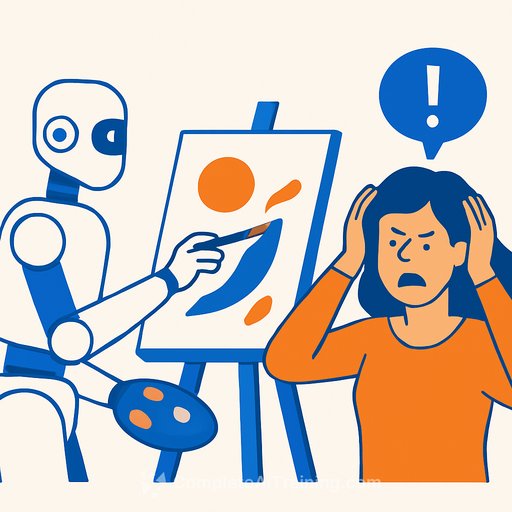
KUALA LUMPUR - Communications Minister Datuk Fahmi Fadzil made it clear: AI should strengthen the creative process in music and filmmaking, not replace the people who make the work. The core of any song, script, or scene still comes from human ideas and taste.
"The creative act is still a human act." AI can assist with mood boards, drafts, or variations, he said, but it doesn't swap out filmmakers or artistes. It's another tool on the desk - useful, fast, and scalable - but it needs direction from a creator.
Fahmi spoke at the Communications Ministry's Kasih Ramadan and Iftar programme at IPPTAR, joined by Deputy Minister Teo Nie Ching, secretary-general Datuk Abdul Halim Hamzah, IPPTAR director Datuk Roslan Ariffin, and leadership from BERNAMA.
Why this matters for music
Fahmi called for deeper talks with MACP, RPM and PPM to set fair, clear boundaries on AI use so it doesn't undercut composers, lyricists, and performers. The point is balance: keep the human voice in front, let AI speed up the back end.
His take was blunt: AI won't replace artistes - people who learn to use AI effectively will outpace those who don't.
Practical ways to use AI without losing your voice
- Pre-production: Generate mood boards, story beats, shot lists, or lyric prompts to kickstart direction faster.
- Drafts and variations: Sketch melody lines, chord progressions, color scripts, or scene options to explore range quickly.
- Editing and polish: Clean stems, separate vocals, propose alt-cuts, or refine pacing - then decide with your ear and eye.
- Research and references: Summarize trends, audience feedback, and comparable works to guide creative choices.
- Workflow: Build reusable prompts and templates for briefs, treatments, and cue sheets to cut admin time.
- Protect your IP: Keep high-value stems private, set consent rules for training, watermark public previews, and document sources.
- Credit and contracts: Specify where AI is used, how data is handled, and who gets paid for what. No ambiguity.
Guardrails and rights
Creators need limits that respect consent, credit, and compensation. That means clear metadata practices, transparent datasets, and agreements that protect style and likeness. AI can assist arrangement or ideation, but the human signature stays visible - and valued.
Training and upskilling
The Ministry has asked IPPTAR to keep expanding AI training across agencies. IPPTAR has been early to roll out AI modules for civil servants, and the same mindset applies to studios and labels: build the skill stack so teams move faster without losing craft.
- Weeks 1-2: Test 2-3 AI tools for mood boards, lyrics/beat ideas, or scene outlines. Keep what saves the most time.
- Weeks 3-4: Create prompt templates for briefs, visual references, and alt takes. Standardize naming and file flows.
- Weeks 5-8: Lock in review steps for rights, credits, and quality. Document what's AI-assisted on every project.
Want structured paths to level up?
Event notes
Fahmi also marked IPPTAR's 55th year since its 1971 founding, noting March 10, 1975, when the late Tun Hussein Onn named the institute IPPTAR. During the Kasih Ramadan and Iftar programme, contributions under Tabung Kasih@HAWANA were presented to 10 media practitioners facing health or financial hardship to support preparations for Hari Raya Aidilfitri.
Since April 2023, Tabung Kasih@HAWANA has supported 668 media practitioners nationwide - a nod to the people who keep the public informed.
Your membership also unlocks: