Middle Managers Fade as AI Rises
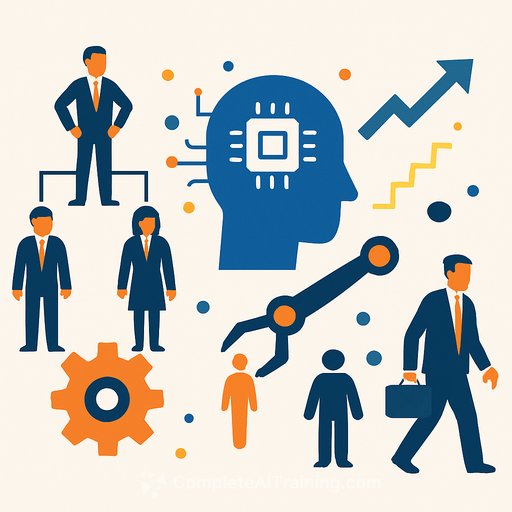
Artificial intelligence is steadily changing how businesses operate, and one area feeling the impact is middle management. Companies are reassessing their structures as AI tools simplify communication and decision-making, reducing the need for layers of management.
This evolution encourages a more direct connection between senior leaders and frontline teams. As AI handles tasks like data analysis and performance monitoring—traditionally managed by middle managers—the demand for these roles is shrinking.
Streamlining Decision-Making
AI enables faster, clearer communication across departments, which cuts down on delays that middle managers often mediate. This shift helps organizations react swiftly to market changes without relying on multiple management layers.
The Changing Role of Middle Management
- AI automates routine analysis and reporting tasks.
- Direct access to data empowers employees and executives alike.
- Businesses prefer agile structures that adapt quickly.
For middle managers, adapting means developing skills that complement AI—focusing on strategic thinking, emotional intelligence, and leadership that machines can't replicate.
Executives and management professionals looking to stay ahead should consider learning how to integrate AI tools effectively within their teams. Resources like Complete AI Training offer courses tailored to enhance understanding and application of AI in business settings.
As AI continues to take on operational roles, the future of middle management depends on embracing new responsibilities and technologies. Those who adjust will find opportunities to add value beyond traditional functions.
Your membership also unlocks: