Thailand deploys AI to catch tuberculosis cases hospitals miss
Thailand diagnosed and treated 81,700 tuberculosis patients in 2024 but missed more than 22,000 others-roughly one in five people with active TB disease. The country has 56 months to close this gap before the 2030 deadline to end TB globally.
The problem isn't just access. Microscopy, the traditional diagnostic tool, misses half or more of TB cases among people who get tested. Diagnostic delays compound the problem, pushing patients toward catastrophic medical costs and worse health outcomes.
Thailand committed at the 2023 United Nations TB meeting to replace microscopy with WHO-recommended molecular tests by 2027. The country is ahead of schedule: 69% of TB testing now uses molecular methods, compared to 54% globally and 41% across Southeast Asia.
AI flags cases radiologists might miss
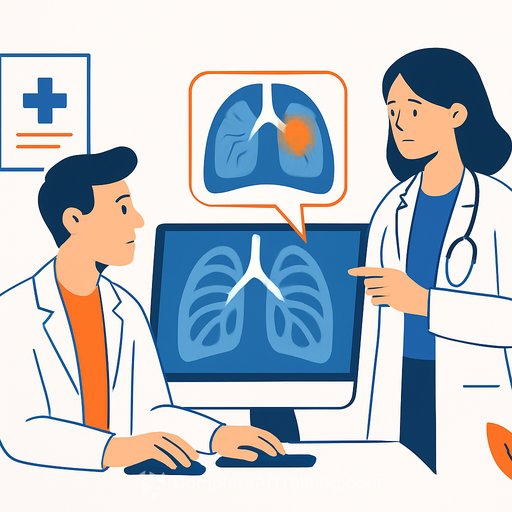
Thailand's hospitals are adding another tool: artificial intelligence that reads chest X-rays. In 2022, Thailand's FDA approved Genki AI, software that screens for 27 lung conditions including TB, pneumonia, fibrosis, and nodules.
WHO endorsed AI-powered chest X-ray screening for TB in July 2021-the first time the organization recommended AI for TB diagnosis. Studies show the software matches human radiologists in accuracy while costing far less in resource-limited settings.
At Aikchol Hospital in Chonburi province, radiologist Dr. Grisit Prueksaritanond has used Genki AI for over a year. Among more than 1,000 chest X-rays scanned annually, the software helped him catch at least three cases with lung lesions he would otherwise have missed.
"It is very sensitive-more sensitive than my eyes," Dr. Grisit said. "So that's better."
Where AI adds the most value
AI serves a practical function in countries where radiologists are scarce. Thailand is a higher middle-income country with radiologist availability, yet the tool still catches cases. In low- and middle-income countries with fewer specialists, AI becomes essential infrastructure.
India has deployed AI-enabled handheld X-rays for TB screening in high-risk populations. The software also speeds triage by quickly ruling out patients without lung abnormalities, freeing clinicians to focus on those who need care.
Dr. Grisit emphasized that AI works best alongside human judgment. "As long as it can detect something in the lung, I can evaluate further," he said. Medical experts must still confirm findings and guide treatment decisions.
Thailand's TB decline rate of 2% annually is progress but insufficient to meet 2030 targets. Combining molecular testing, AI screening, and improved access remains the path forward to reach the estimated 22,000 people currently missed each year.
Your membership also unlocks: