AI Mania Surpasses the 1999 Tech Bubble, Warns Apollo’s Chief Economist
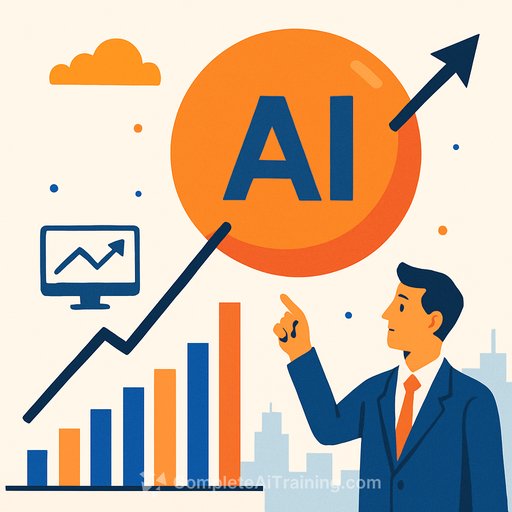
A leading Wall Street economist is raising red flags about the soaring valuations in AI stocks, drawing parallels to the late 1990s tech bubble. Torsten Sløk, chief economist at Apollo Global Management, highlighted on Yahoo Finance that while AI promises remarkable advancements, the current stock prices may not justify the hype.
Sløk shared internal data showing that the price-to-earnings (P/E) ratios of the 10 largest companies in the S&P 500—many of them AI-focused giants like Meta and Nvidia—have surpassed the levels seen during the peak of the dot-com bubble in 1999.
Concentration Risk in a Few Tech Giants
This trend points to a dangerous concentration risk. Almost 40% of the S&P 500’s market capitalization is held by just 10 companies. Sløk explained that investors who believe they are diversifying by buying the S&P 500 are, in reality, heavily exposed to a handful of firms, mainly those tied to the AI narrative.
He questioned whether it makes sense to buy tech stocks at any valuation, given the current extremes. The internal note from Apollo suggests these inflated valuations may not be sustainable in the long term.
Wall Street’s Growing Unease
BTIG analysts echoed these concerns in a recent note. They described market sentiment around AI stocks as "frothy," warning of a possible near-term correction. Their focus was the BUZZ NextGen AI Sentiment Index, which tracks popular AI-related stocks among retail investors. This index has surged 45% in 16 weeks and trades 29% above its 200-day moving average—the highest since early 2021’s tech peak.
Jonathan Krinsky from BTIG pointed out that some top holdings, including Rocket Lab, Coinbase, and Unity Software, are showing sharp upward moves that could lead to short-term shakeouts. He suggested investors consider shifting toward defensive sectors like utilities or even Chinese tech stocks, which have been consolidating recently.
Balancing Long-Term Optimism with Caution
Both Apollo and BTIG highlight a split in the market: long-term faith in AI’s transformative potential versus near-term skepticism about stretched valuations and investor concentration. For finance professionals, this calls for a careful approach—acknowledging AI’s promise but remaining vigilant about valuation risks and portfolio diversification.
For those interested in deepening their AI knowledge with practical skills relevant to finance, exploring targeted courses can be valuable. Resources like the Complete AI Training platform offer specialized programs tailored to finance professionals aiming to integrate AI tools effectively.
Your membership also unlocks: