South Korea's Big Four Put AI at the Core of Their 2025 Playbooks
South Korea's largest conglomerates are locking in 2025 strategies with one clear priority: AI. Following U.S. tariff talks in mid-November, national leadership and top chaebol chairs aligned on the need for speed and scale. Expect bold moves across chips, autos, devices, and energy-designed to protect margins and create new profit pools.
(From middle, clockwise) President Lee Jae Myung, SK Group Chairman Chey Tae-won, Hyundai Motor Group Chairman Chung Eui-sun, LG Group Chairman Koo Kwang-mo, and Samsung Electronics Chairman Lee Jae-yong convened for discussion after U.S. tariff negotiations on Nov. 16, 2025.
Samsung Electronics: 2nm ramp, HBM4, and AI-first devices
Samsung will gather global leaders on Dec. 16 to set next year's direction as it drives an "AI-driven company" agenda. Priorities: strengthen AI semiconductor competitiveness and stabilize mass production of its 2-nanometer foundry process.
- Memory: Customer-specific strategies built around sixth-generation high-bandwidth memory (HBM4). Background on HBM: what it is and why it matters.
- Consumer devices: Expand AI features across smartphones, TVs, and home appliances to lift ASPs and stickiness.
Hyundai Motor Group: Tariff hedges, more hybrids, and robotaxis
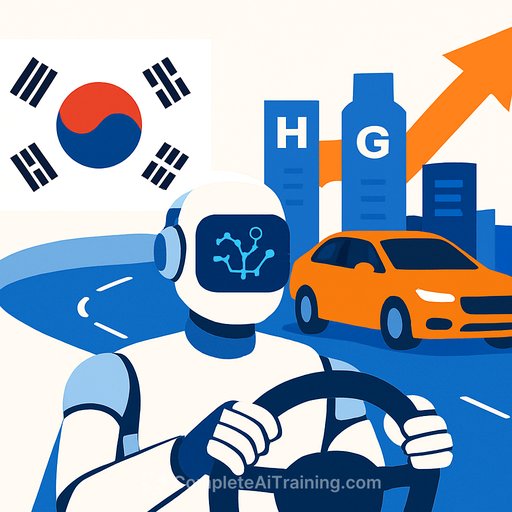
Hyundai plans to blunt potential U.S. tariffs through supply chain diversification while scaling its hybrid lineup to 18+ models by 2030. It's also pushing to launch robotaxi services in major U.S. cities next year.
- Supply chain: Multi-country sourcing and flexible manufacturing to minimize tariff impact.
- Product mix: Hybrids as a margin and volume hedge while EV demand normalizes.
- Autonomy: Commercial pilots planned; context on robotaxi models.
LG Group: New growth in AI, biotech, and clean tech
Chairman Koo Kwang-mo met with about 40 CEOs on Dec. 10 to align on new growth engines in AI, biotechnology, and clean technology. LG Electronics will hold a company-wide management meeting on Dec. 19 under newly appointed CEO Lyu Jae-cheol.
- Focus: Scale AI across products and operations; pursue selective bets in bio and clean energy platforms.
- Execution: Leadership changes signal tighter operating cadence and faster decision cycles.
SK Group: Enterprise-wide AI push across chips and energy
At SK's annual CEO seminar in early November, Chairman Chey Tae-won called for stronger competitiveness and leadership in the AI race. SK hynix set up regional AI research centers, and SK Innovation created an AI transformation unit reporting directly to the CEO.
- Chips: Deepen AI memory and systems capabilities through localized R&D nodes.
- Energy: Use AI to improve yield, safety, and cost curves; build data infrastructure that scales.
What executives should do now
- Pressure-test AI infrastructure plans: capacity, cost per inference/training, and vendor risk. Prioritize near-term ROI use cases over vanity pilots.
- Model tariff exposure and switching costs across your supply base. Build dual-source options and negotiate dynamic pricing tied to policy outcomes.
- Rebalance product roadmaps: hybrids and AI-enabled features can defend margins while new categories mature.
- Stand up an AI operating model with CEO sponsorship: clear ownership, data standards, and quarterly value targets.
- Set partnership rules of engagement: who owns data, model IP, and customer interface. Avoid lock-in you can't unwind.
Signals to watch in H1 2025
- 2nm foundry yield trends and customer wins.
- HBM4 supply availability and pricing discipline.
- Hybrid mix share and unit economics versus EVs across key markets.
- Robotaxi pilot milestones and regulatory approvals in U.S. cities.
- AI feature adoption rates in consumer devices and resulting ARPU/ASP shifts.
- New AI research centers, ecosystem alliances, and M&A that consolidate tech moats.
If your leadership team needs a faster path to practical AI skills, see curated programs by role here: AI courses by job.
Your membership also unlocks: