NYC Schools Test AI Teaching Assistants to Boost Reading - What Educators Can Learn
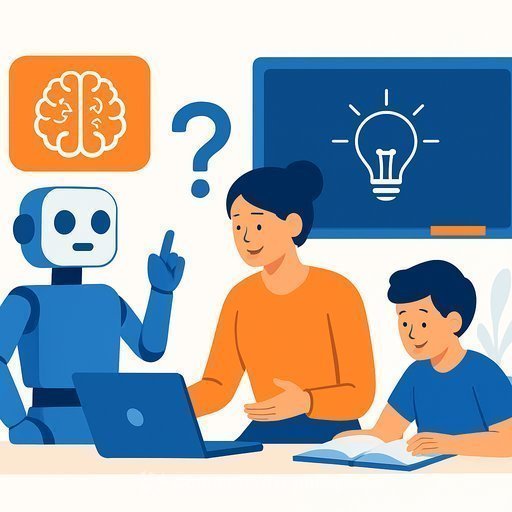
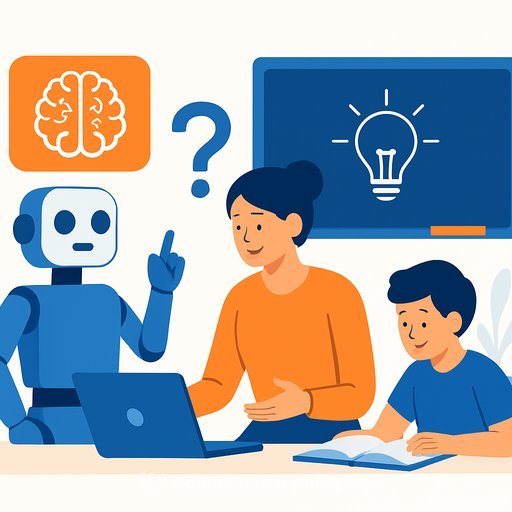
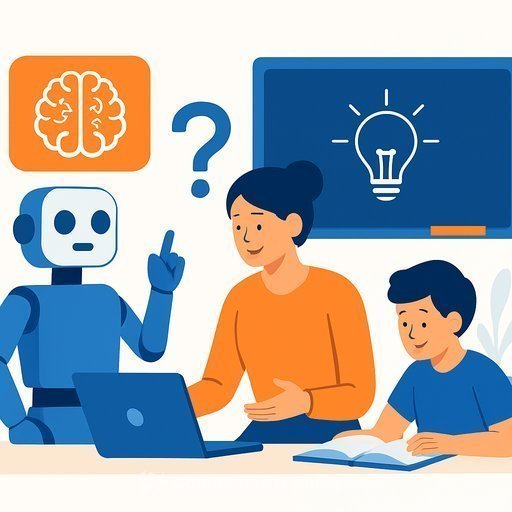
New York City public schools are piloting AI teaching assistants in middle school English Language Arts classes to improve reading comprehension and writing. The goal is simple: give students timely, targeted support while keeping teachers at the center of instruction.
The pilot keeps learning rooted in the core curriculum. It doesn't add another intervention block. It makes the work students already do more interactive, structured, and visible to teachers.
How the pilot works
Students work in small groups on Chromebooks using the assigned texts and questions. The AI prompts them to analyze passages, draw inferences, and notice the author's craft. Feedback is immediate and specific, so students know what to revise right away.
Teachers monitor a live dashboard. They see which questions trip students up, who is stuck, and where the class is thinking well. That makes it easier to time a quick mini-lesson or pull a small group for clarification.
Collaboration first, then individual feedback
Students talk through each prompt with peers before they interact with the AI individually. That mix builds independent thinking without losing the benefits of discussion.
Short written responses (exit tickets) get up to three rounds of feedback. Students revise, resubmit, and see how changes affect clarity and evidence. Over time, they build confidence because they can see progress in their own writing.
Early results
Classrooms using the tools at least twice a week showed growth on the 2025 New York State reading assessments nearly twice as fast as peers in the same district who did not use them. In one Bronx district, participating schools posted a 14-16 percentage point gain from the prior year; the district overall grew by seven points.
The pattern is clear: the tools help when paired with strong teacher guidance. They're not a replacement. They're an amplifier.
What's working (and why)
- Integrated, not extra: The AI supports core ELA tasks instead of creating a new workload.
- Immediate feedback: Students see what to fix now, not next week.
- Teacher control: Live dashboards surface misconceptions early, so support lands at the right moment.
- Collaboration + independence: Peer talk first, personal feedback second, so students build ideas and refine them.
- Pedagogy over features: Educators helped design prompts and flows. The instructional choices drive the impact.
Practical steps for school teams
- Set a clear goal: e.g., improve inference and evidence use in constructed responses.
- Use with your current curriculum: Keep texts, questions, and lessons aligned to your ELA sequence and standards.
- Schedule consistent use: Aim for at least two sessions per week to see meaningful growth.
- Protect discussion time: Start prompts with brief peer talk before individual AI work.
- Tight feedback loops: Allow up to three revision cycles for short responses.
- Monitor in real time: Use dashboards to trigger mini-lessons, quick conferences, or small-group reteach.
- Review evidence weekly: Look at item-level trends and student work to decide next moves.
Guardrails to keep quality high
- No shortcuts through learning progressions: Keep scaffolds aligned with how skills build over time.
- Keep the human connection: Prioritize conversation, teacher feedback, and individualized support.
- Quality materials matter: Pair the AI with strong texts and prompts; weak inputs lead to weak outputs.
- Transparency: Make feedback criteria visible so students understand why revisions help.
Metrics that matter
- Growth on state or interim ELA assessments (with a focus on reading comp sub-scores).
- Quality of evidence and inference in student responses over time.
- Participation rates in discussion and completion of revision cycles.
- Teacher time reallocated from grading to targeted instruction.
What this means for district leaders
If you want better reading outcomes, combine AI with proven teaching moves. Keep goals explicit, tie usage to your curriculum, and evaluate results regularly. Let pedagogy lead the technology, not the other way around.
Resources
- New York State ELA Learning Standards
- Coverage and analysis from The 74
- AI Learning Path for Teachers - comprehensive, teacher-focused AI training for classroom integration and instructional design.
- AI Learning Path for Teaching Assistants - practical guidance for assistants supporting reading instruction.
- AI Learning Path for Secondary School Teachers - resources for middle- and secondary-level ELA implementation.
Bottom line: use AI to make feedback faster, make thinking visible, and make teacher decisions smarter. Do that consistently, and reading growth follows.
Your membership also unlocks: