"AI is there to support teachers as an assistant, not to replace them" - Google's Chris Phillips on practical, teacher-led AI
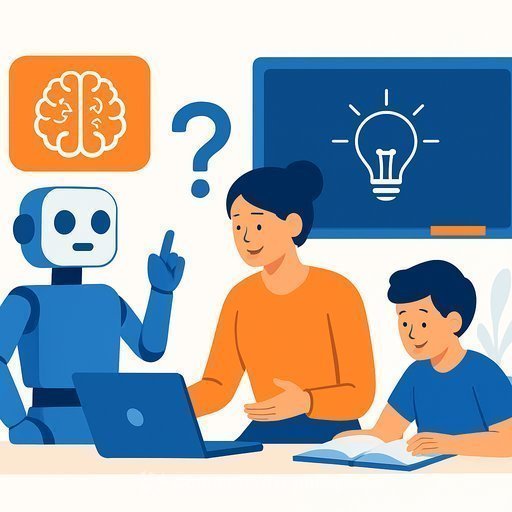
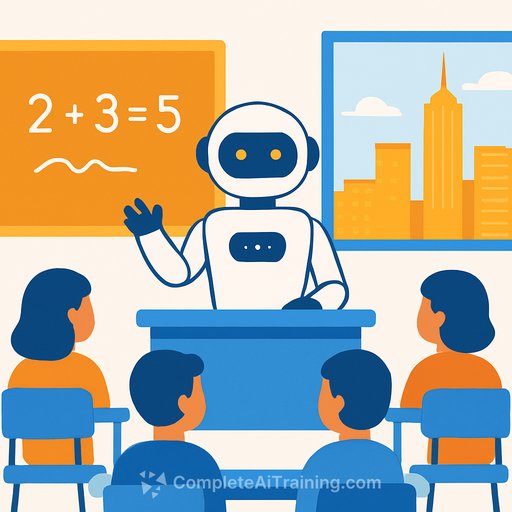
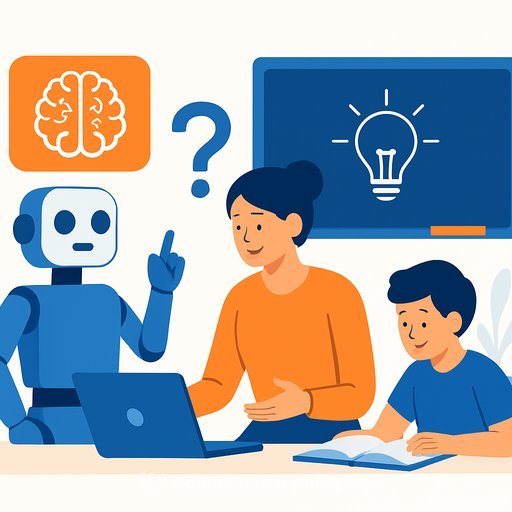
AI belongs in the classroom next to the teacher, not in front of them. That's the core message from Chris Phillips, Vice President and GM of Education at Google, who spoke at the AI Learning Forum in Delhi.
His stance is clear: keep the teacher-student relationship at the center, and let AI handle the repetitive, time-consuming work. The goal is more time for instruction, feedback, and real connection.
What this means for educators
Phillips says AI can help students go deeper into concepts, strengthen critical thinking, and spark creativity. On the teacher side, it can automate planning, draft assignments, and scaffold coursework, so you can focus on coaching instead of paperwork.
It's not about shortcuts to answers. It's about structured practice, questions that reveal thinking, and supports that meet students where they are.
Multimodal learning that meets students' preferences
Many learners process information better through visuals or audio, not just text. Tools like NotebookLM can turn a teacher's curriculum into an audio overview and a presentation, making a topic easier to grasp and remember.
That flexibility matters. Some students need repetition, others benefit from visuals, and some prefer to listen and review on the move. Meeting those needs boosts engagement.
Guided learning, not answer-chasing
Phillips points to guided, Socratic-style learning being tested in schools such as City Montessori School in Lucknow. Students ask follow-ups, revisit steps, and work at the pace required to truly learn the topic.
That approach supports mastery in a teacher-led environment. Faster students can move ahead, while others get time and structure to catch up-without losing the thread.
New Google features educators should watch
- JEE practice in Gemini: Full-length practice tests inside Gemini, built with vetted content from partners like PhysicsWallah and Careers360, to mirror the real exam experience.
- AI Mode in Search: Generates study guides and interactive quizzes to aid independent study when teachers or tutors aren't available.
- Gemini in Google Classroom: Planning support, AI-powered audio/video feedback, usage insights, and content verification signals to see if AI was used in creation or edits.
- Workspace Studio: AI agents to automate routine workflows and administrative tasks so teachers reclaim time.
Equity: support for students who can't access extra help
More students are already using AI to get unstuck after school hours. For those who can't afford private coaching or extra materials, structured AI support can narrow gaps.
Yes, models can still hallucinate. The fix isn't avoidance-it's stronger prompts, clear norms, and verification steps built into the learning flow.
India's momentum
India is one of Google's largest hubs for AI in education. It leads globally in daily Gemini usage for learning, and NotebookLM users in India generated over 3 million learning outputs in the past month alone.
Policy, safety, and governance
Phillips emphasized responsible rollout: age-appropriate experiences, strict data protections, and admin controls for access. That foundation supports safe classroom use at scale.
He also called for cross-functional structures inside institutions and systems: bring academic affairs, faculty, student services, research, government, and technology partners into one process. Set acceptable-use rules, vet tools, and keep workflows consistent as AI evolves.
How to put this into practice now
- Start with one use case: lesson planning, formative feedback, or remediation. Keep the scope tight.
- Pilot with a small team for 4-6 weeks, then review outcomes and decide on expansion.
- Co-create prompts and exemplars with teachers. Save them in a shared library for consistency.
- Use multimodal supports: text + visuals + audio summaries for key topics.
- Shift from answer-giving to guided questioning. Require students to show steps and reflect on errors.
- Build verification in: cite sources, cross-check with class notes, and use content provenance indicators.
- Set classroom norms for AI use and academic integrity. Be explicit about what's allowed on each task.
- Track time saved and student outcomes. Feed that data back into policy and tool selection.
JEE-specific note
If you support JEE candidates, the new Gemini practice tests are intended to mirror real conditions and question styles with vetted partners. Use them for timed practice and post-test review.
The takeaway
AI should extend a teacher's reach, not replace it. Done right, it saves time, increases quality feedback, and gives students a clearer path to real learning-guided by you.
Further learning for educators
Want structured training mapped to education roles? Explore curated AI courses by job to upskill your team and standardize best practices. For educators interested in research methods and evidence-based practice, see AI Research Courses.
Your membership also unlocks: