AI Is Lowering the Barrier Between Ideas and Finished Creative Work
The public debate about creative AI has fixated on one question for years: can it replace human creators? That framing may be too narrow.
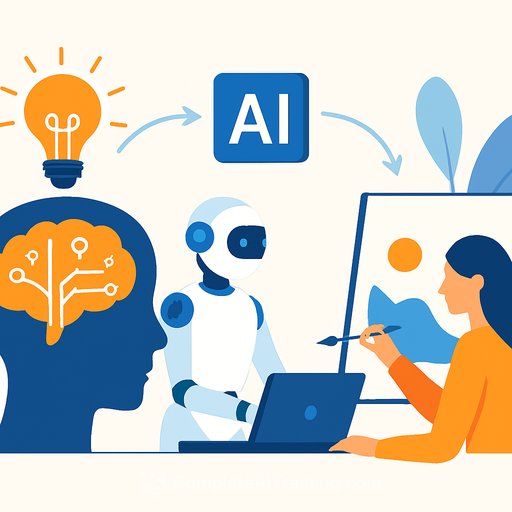
A more useful question is simpler: can AI help more people turn unfinished ideas into real creative output? In many cases, the answer is yes. That may be where its biggest impact will be felt.
The Real Problem Isn't Ideas
Most people do not struggle with ideas. They struggle with execution. Someone has lyrics written in a notes app but no access to producers, singers, or studio equipment. Another person has a striking product photo or visual concept but no animation skills, video editing experience, or production budget.
The issue is rarely imagination. It is the gap between intention and completion.
That gap is exactly where practical AI tools are starting to matter.
Music: From Lyrics to Song
A platform like Lyrics to Song AI operates on a simple premise: a user brings the words, and the system helps turn those lyrics into a complete song. The platform supports full-song generation with vocals, instrumentation, and style controls.
This changes the creative equation. Instead of leaving lyrics trapped on the page, users can hear them performed, test different moods and genres, and iterate quickly. For a songwriter, that means faster experimentation. For a creator or small business, it means access to custom audio that previously required far more time, cost, and technical coordination.
Visual Media: Making Static Content Move
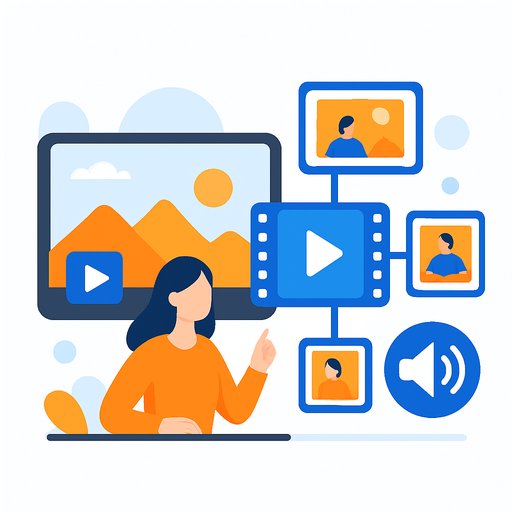
A similar shift is happening with animation. Animate Image AI addresses a specific problem: how to make static visuals feel alive. The platform turns a single still image into motion video, adding effects like subtle expressions, camera movement, lighting evolution, and depth-aware animation.
This reflects a larger truth about communication today: static content is no longer enough in many digital environments. Motion captures attention. It improves storytelling. It helps brands, educators, and creators do more with assets they already have.
A product image becomes a richer ad unit. A historical photo becomes more immersive educational content. A concept illustration becomes a more persuasive presentation piece.
Who Benefits Most
Large companies have never lacked access to creative production. They hire agencies, editors, animators, composers, and strategists. Independent creators and smaller businesses typically do not have those resources.
AI tools matter because they push high-friction creative tasks closer to everyday accessibility. They give individuals and lean teams a way to produce more expressive media without needing a full traditional production stack.
Consider exploring AI Design Courses and Generative Art Courses to understand how these tools fit into your creative workflow.
The Concerns Are Real
Easier creation brings understandable concerns. Critics worry that AI will flood the internet with generic material or weaken appreciation for craft. Those concerns are valid.
But history suggests a more balanced outcome. New tools often increase the volume of content, yet audiences still respond most strongly to taste, originality, and relevance.
Tools Don't Create Meaning
A lyrics-to-song platform cannot decide what emotion is worth expressing. An image animation tool cannot decide what story deserves attention. Humans still make those choices.
They decide the message, the aesthetic, the voice, and the audience. AI can accelerate production, but it does not replace judgment.
In fact, when production becomes easier, taste matters more. The real advantage no longer comes only from being able to make something. It comes from knowing what is worth making, how it should feel, and why it should exist in the first place.
Access, Not Just Automation
More people can now experiment with music without formal production experience. More brands can test motion creative without commissioning full video shoots. More educators can make lessons more visual. More entrepreneurs can communicate with polish before they have large budgets.
More ideas can leave the sketch phase and enter the world in a form people can actually hear, watch, and share.
AI is not only a shortcut. It is an access layer. And if that access is used thoughtfully, it could lead to something valuable: not less creativity, but more people taking part in it.
Your membership also unlocks: