AI Is Rewriting How Food Companies Develop Products
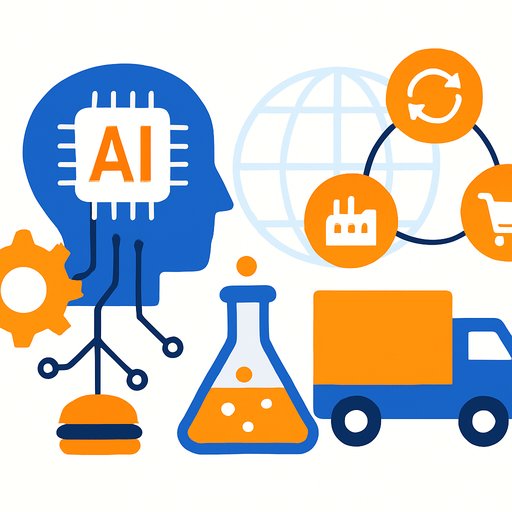
Food companies face a brutal math: 80 percent of new product launches fail. Traditional research relies on months of physical testing and human intuition. Now artificial intelligence is compressing R&D cycles by up to 60 percent by simulating ingredient interactions at the molecular level before a single batch enters the lab.
NotCo, a Chile-based food technology company, deployed an AI platform called Giuseppe that analyzes the molecular structure of animal-based ingredients like milk or eggs, then searches a database of plant-based alternatives to find combinations that replicate the desired taste and texture. The system works through physics and data, not guesswork.
The efficiency gains are substantial. Where traditional development cycles span 18 to 24 months, AI-driven formulation identifies viable recipes in weeks. Predictive modeling catches incompatibility issues before production begins, cutting waste and operational costs. Documentation, shelf-life testing, and regulatory compliance automation save millions annually.
What This Means for Your R&D Work
If you manage product development, AI now handles the computational heavy lifting that once consumed your team's time. You spend less time on failed prototypes and more on refinement. The failure rate drops because models flag market mismatches before launch.
Cost reduction is direct: fewer physical tests, less waste, shorter timelines. Success rates improve through predictive modeling that identifies which formulations will actually sell.
Supply Chain Gets Smarter Too
Beyond the lab, AI reshapes sourcing and demand forecasting. Nestlé, Mars, and Mondelēz use generative models to analyze social media sentiment, climate data, and real-time supply disruptions. The system predicts crop failures and contamination risks months ahead, allowing manufacturers to pivot sourcing before consumers notice shortages.
Computer vision systems now sort agricultural produce with 99 percent accuracy. For exporters in East Africa, this means meeting international quality standards without human error margins.
The Human Element Still Matters
AI cannot replace the sensory scientist or the chef. Models hallucinate. Without domain experts guiding the process, companies risk launching products that are scientifically sound but commercially wrong.
The winning approach pairs human intuition with machine analysis. Your expertise in understanding what consumers actually want remains irreplaceable. The machine accelerates the path to market; you decide whether the destination makes sense.
Learn more about AI for Product Development and AI Data Analysis to understand how these tools apply to your role.
Your membership also unlocks: